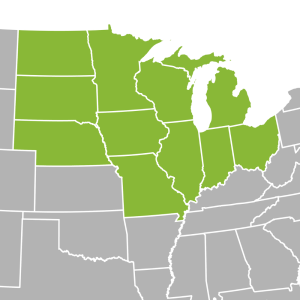
 As America’s heartland, the North Central Region is not only the backbone of U.S. food and agriculture but also a hub of cutting-edge research and robust cooperative extension programs that spur technological advances, increase agricultural production and make rural America more livable. Our diverse landscapes and farming practices enable pioneering solutions that safeguard food security, protect our natural resources, enhance quality of life and ensure economic prosperity of our nation. With increasing pressures from extreme weather and resource limitations, our institutions remain at the forefront, developing and delivering science-driven strategies that support farmers, ranchers, food processors, and rural and urban communities alike.
With approximately 70 million people, millions of acres of diverse agricultural landscapes and a dense concentration of research infrastructure and scientific expertise, the North Central Region is a national asset for advancing U.S. science, innovation and security. While often described as the “breadbasket of America,” the region’s contributions extend far beyond traditional production agriculture. Research led by the region’s land-grant institutions improves the health and well-being of Americans, strengthens rural and urban economies and has served as a critical catalyst for new companies and industries spanning food, biotechnology, biomanufacturing and data-enabled technologies. Together, these efforts deliver not only the crops, livestock and energy that power domestic and global food systems, but also the ideas, technologies and enterprises that drive long-term economic resilience and national competitiveness.
The region plays a foundational role in feeding and fueling the nation while advancing cutting-edge research and technological solutions that strengthen U.S. competitiveness. With its vast and diverse landscapes, dynamic agricultural systems and robust research infrastructure, the region is uniquely positioned to confront some of the nation’s most pressing challenges — including national security risks, global competition, geopolitical instability, pandemics, climate extremes and resource constraints. Land-grant universities in the North Central Region rise to these challenges through their integrated mission of research, education and extension, enabling a seamless pathway from discovery to application. This model ensures that science is inspired by real-world needs and end users — from farmers and food system operators to communities, industries and policymakers — and delivers tangible benefits to the region and the nation.
The North Central Region produces key commodities such as corn, soybeans, wheat, cotton, rice, cattle, hogs, poultry and dairy, while also supplying fruits, vegetables, nuts, flowers, wood and bio-based products including biofuels. Agriculture in the region contributes significantly to state economies — ranging from 3% to nearly 26% of state GDP — and supports millions of jobs, making it a powerful driver of economic growth. Beyond production, the region plays a critical role in natural resource stewardship, protecting soil, water, and landscapes from the tallgrass prairies to forests and lakes, ensuring long-term sustainability for communities and ecosystems alike.
In 1947, the agInnovation North Central was established to assist with the planning and management of research activities important to the region. The Congressional requirement that all agricultural experiment stations spend 25% of the Hatch formula fund allocation on regional research also contributed to the formation of the association. This regional commitment was redefined in the Agricultural Research, Extension, and Education Reform Act of 1998 to “multistate research,” the multistate research fund (MRF) was created, and there were new requirements for integrated multistate research and extension activities.
In 2001, agInnovation North Central partnered with the directors of cooperative extension and academic programs in the North Central region with a commitment to develop increased functional integration of multistate activities. The commitment has resulted in new multistate activities driven by Extension and/or Academic Programs as well as increased participation in other North Central region multistate projects by extension faculty.
North Central Research

Photo courtesy of Iowa State University.
Stakeholder-driven priorities, using a farmer-first approach where farmers, ranchers, and other partners shape the research agenda to meet real-world local, regional, and national needs. Location-specific solutions are developed through comprehensive, long-term research that effectively addresses distinct local, regional, and national needs. Collaborative impact via multi-state research and extension that delivers regional and national benefits beyond state borders.
Learn more at agInnovation North Central.
North Central Extension
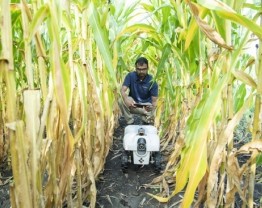
Photo courtesy of University of Illinois.
Community-based problem solving with science-based information delivered directly to producers, families and communities through our network of extension educators/agents. Rapid crisis response with science-based solutions to urgent challenges such as disease outbreaks, biosecurity threats, extreme weather, and invasive species.
Learn more at North Central Cooperative Extension Association.
2026 Featured Impacts
- All
- Agricultural Systems
- Energy and Bioproducts
- Environmental Stewardship
- Food Security
- Nutrition and Health
- Youth, Family, and Communities
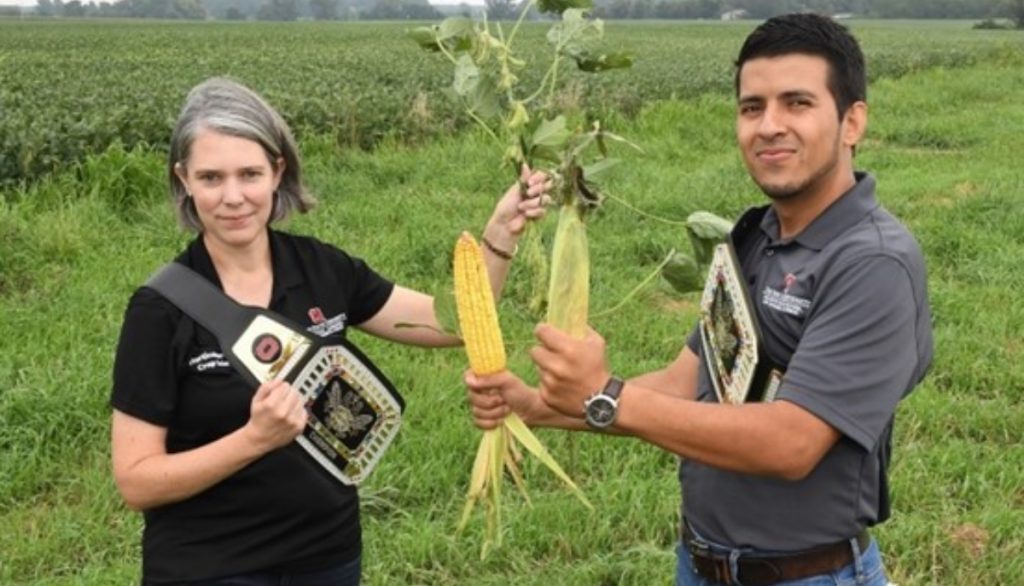
Research answers question of planting priority: corn or soybean?
Planting date has a major influence on both corn and soybean yields. With only about half of May suitable for fieldwork in Ohio many years, […]
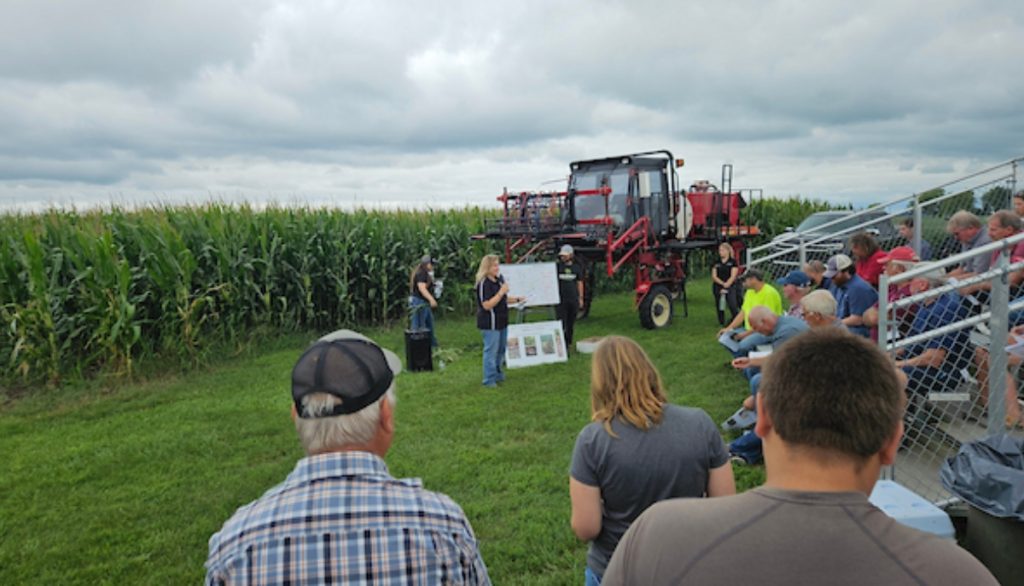
Hands-on learning through trials and demonstrations
Lack of awareness and understanding of the latest research and technologies can impact profitability on small farms. Land-grant universities provide hands-on learning opportunities where producers […]
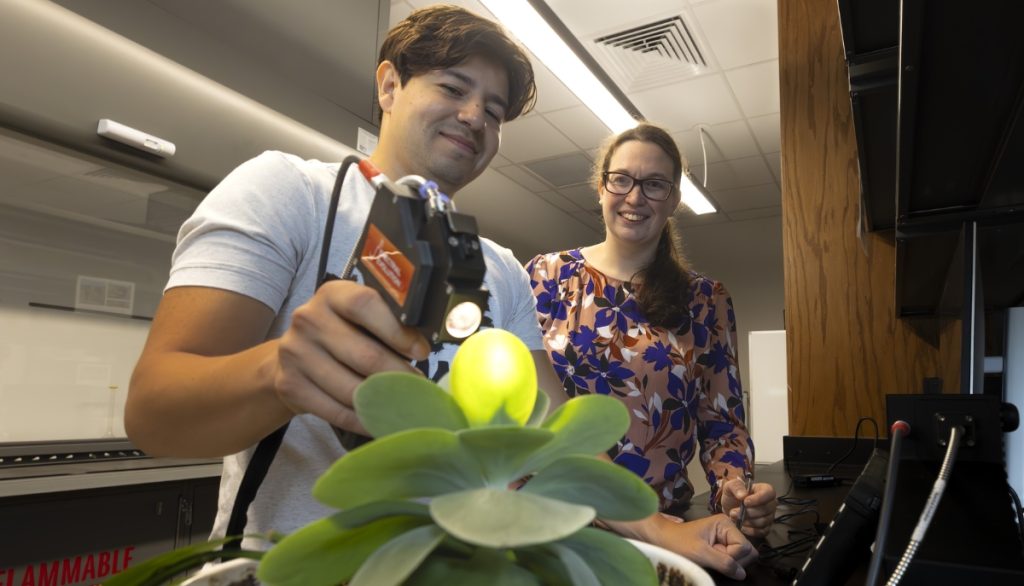
Building resilient agriculture through pest management
Land-grant university pest management programs strengthen agricultural resilience by delivering research-based education that helps farmers manage pests more effectively and safely. These programs improve pest […]

Strengthening and building cooperative businesses to support employees, consumers and local producers
Cooperative businesses, or co-ops, are jointly owned by members, including consumers, employees and producers. Because Co-ops have different business and profit-sharing models than investor-owned, for-profit […]
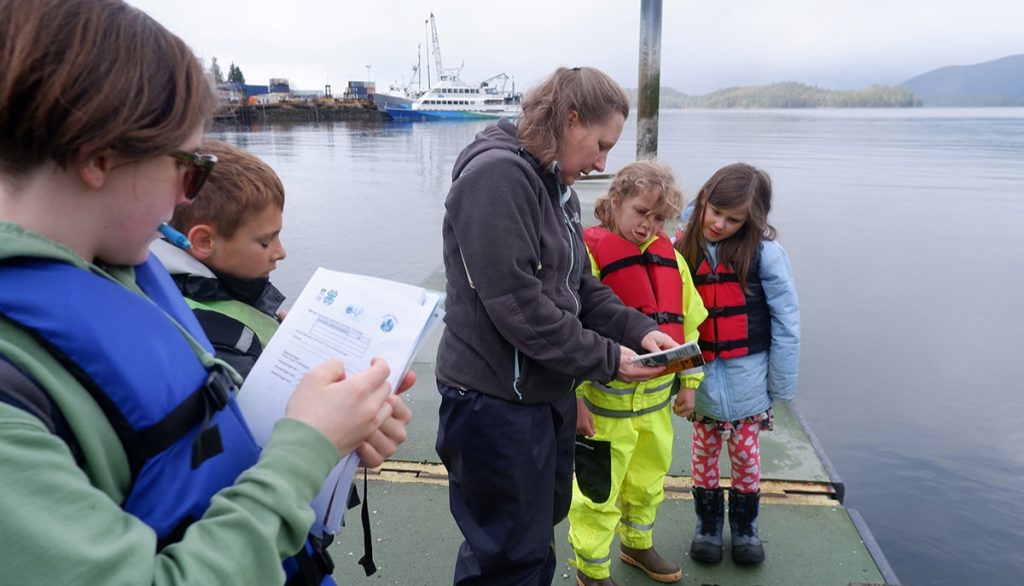
Extension introduces youths to career opportunities in agriculture and STEM
The United States is facing a dearth of skilled and educated workers across the agricultural industry. With many young people being several generations removed from […]
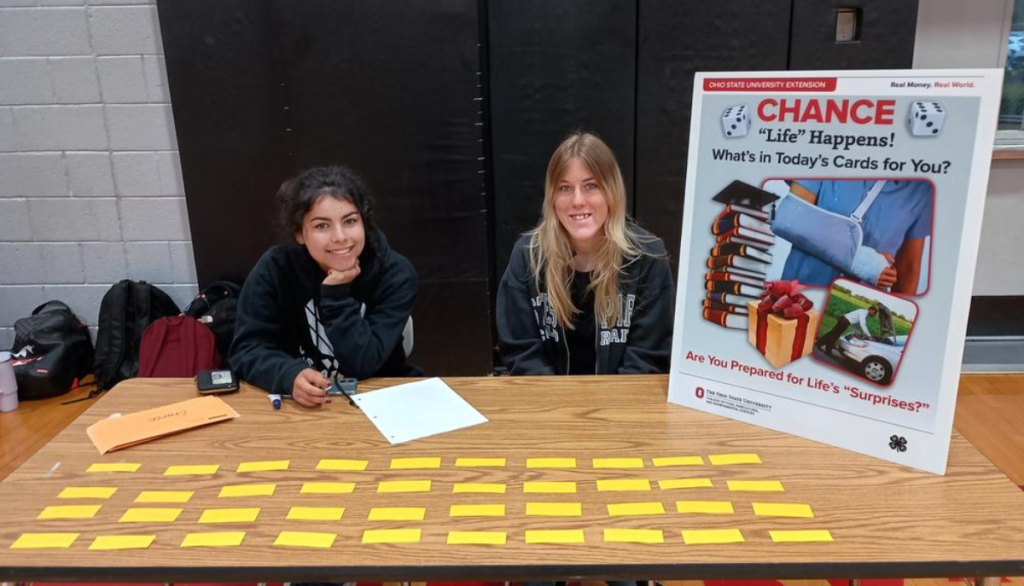
Preparing youth for adulthood with financial literacy programs
Youths often enter adulthood unprepared to effectively manage finances. Studies reveal concerning trends, such as that only 24% of students and 20% of their parents […]
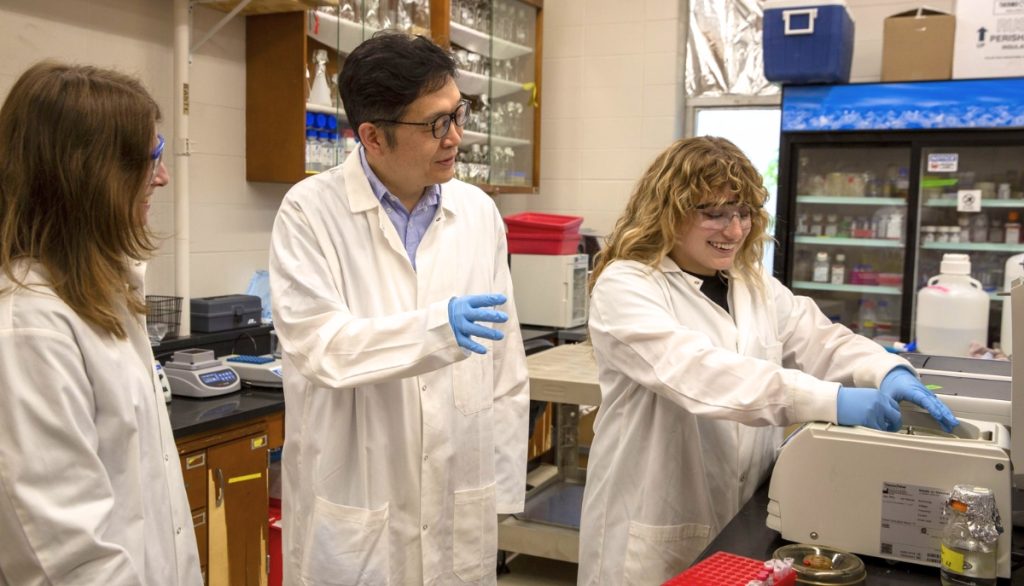
Research at land-grant universities looks to answer complicated disease questions
The basic and applied research that happens in labs at land-grant universities across the country helps to answer questions about the origins of devastating diseases […]

Growing tomorrow’s citizens: Land-grant universities empower youth voices
Civic engagement is essential to youth development because it builds leadership, responsibility, critical thinking and a sense of belonging. Land-grant universities play a vital role […]
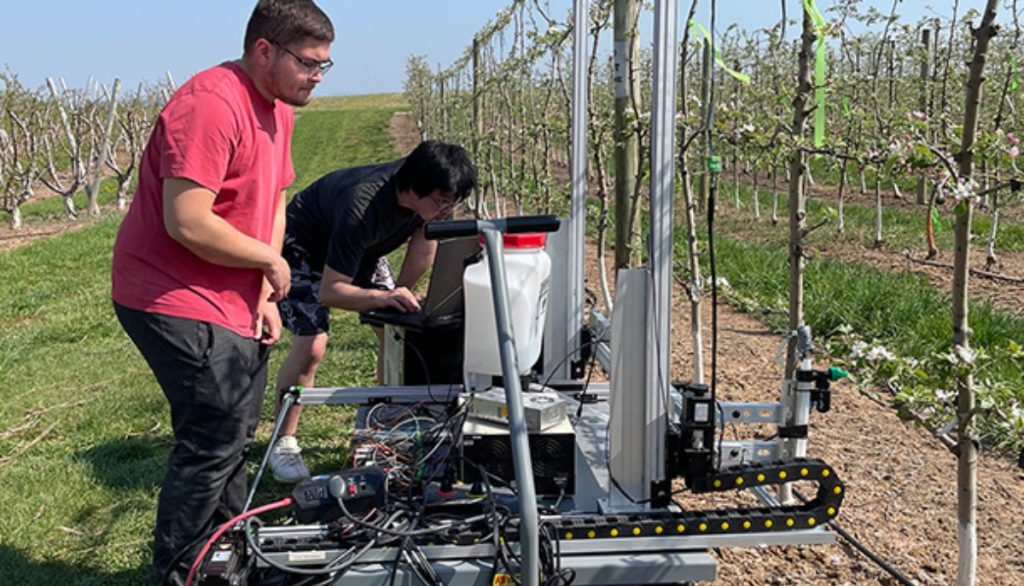
Emerging technology offers new tools for growers
Emerging technology is giving farmers tools to reduce the impacts of labor shortages, rising costs, changing weather patterns and regulatory demands, while improving production and […]
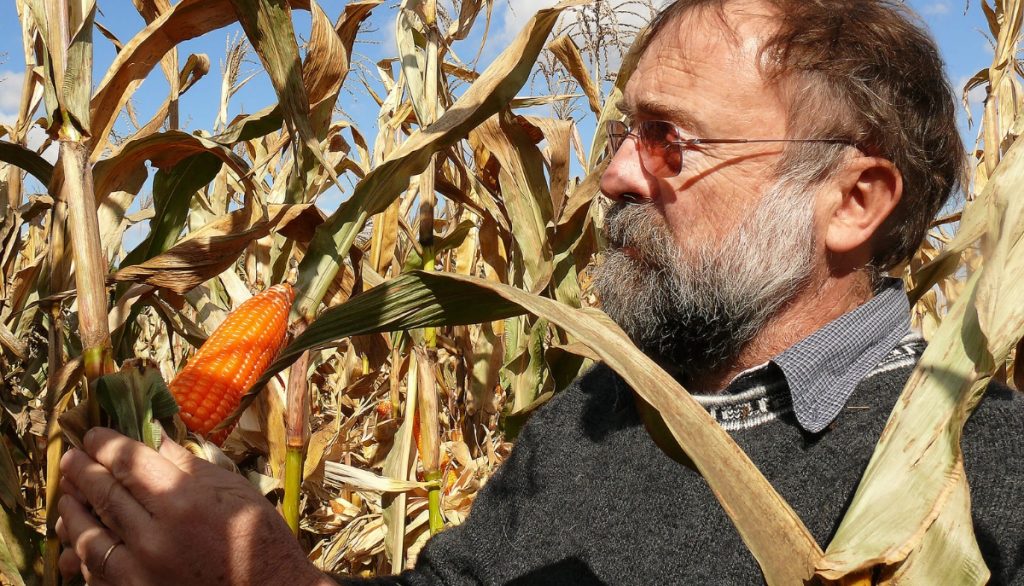
Breeding corn with orange grain high in antioxidant carotenoids
Carotenoids are antioxidant compounds naturally found in plants, but humans cannot synthesize them and must obtain them through diet. In the U.S., there are widespread […]
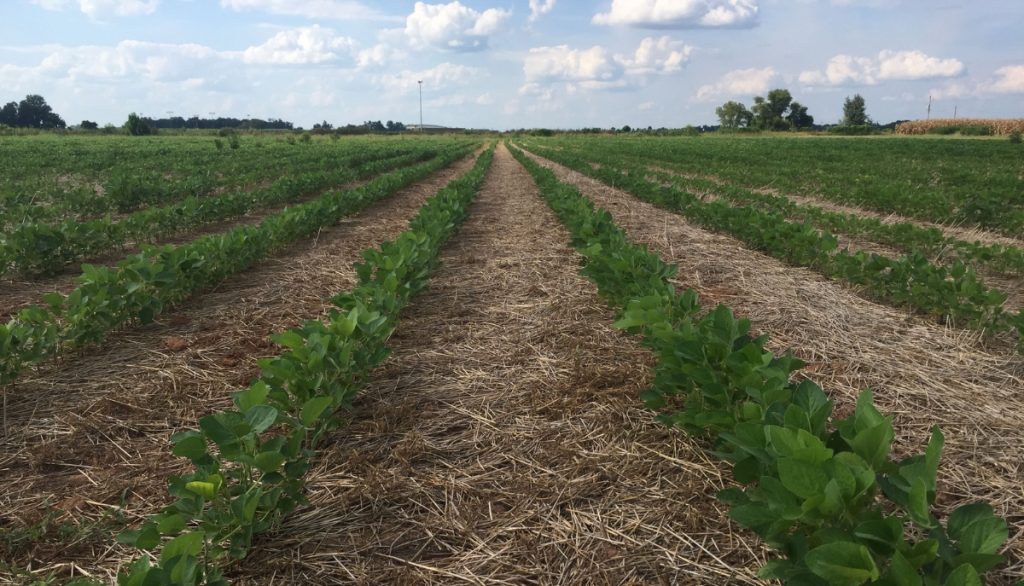
Improving soil fertility through conservation practice adoption
Soil health challenges such as erosion, compaction, nutrient depletion and declining organic matter threaten crop productivity and long-term farm profitability in Indiana. Purdue Extension in […]

Veterans grow food, community and connection through gardening initiative
Military veterans and their families often face challenges related to physical and mental well-being, social isolation and food insecurity. Michigan State University Extension’s Seeds in […]

Extension teaches local leaders to secure grant funding for community vitality efforts
Grant funding is a critical resource for organizations, nonprofits and communities, particularly small or rural communities with limited budgets. Local leaders have strong ideas and […]

Free tax prep pays dividends
Paying taxes is a civic responsibility that funds essential public services. Unfortunately, many people face barriers to affordable, accurate tax preparation. Free tax assistance programs, […]

Growing healthy kids and strong communities through gardening in North Dakota
The children of North Dakota are the state’s most valuable resource, yet many face serious nutrition and physical activity challenges. Surveys show that 99% of […]
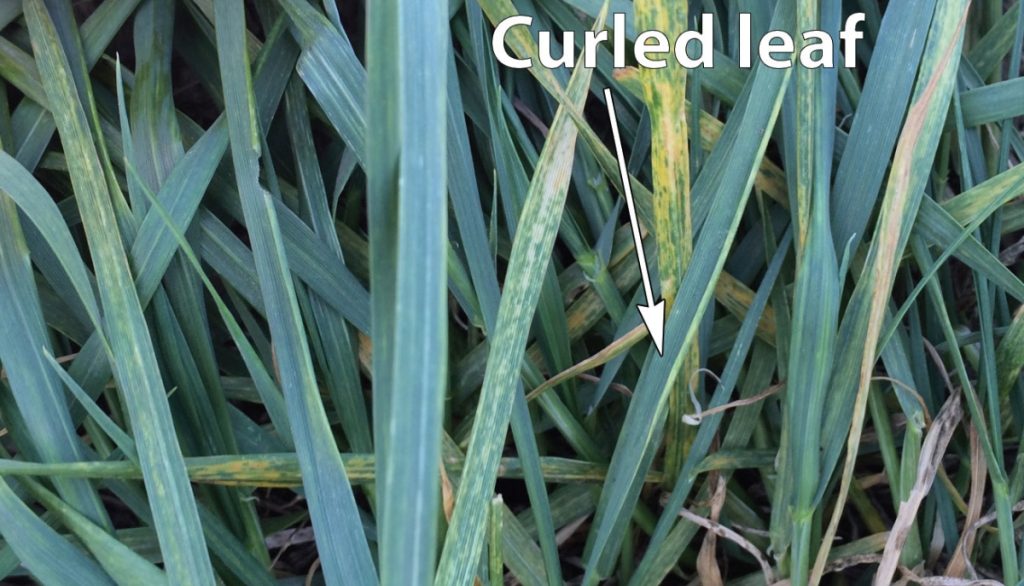
Tackling wheat mosaic virus in Central, Western Kansas
A devastating outbreak of wheat mosaic virus hit Kansas in 2025, threatening the state’s multi-billion-dollar industry that produces 24% of the nation’s wheat crop. With […]
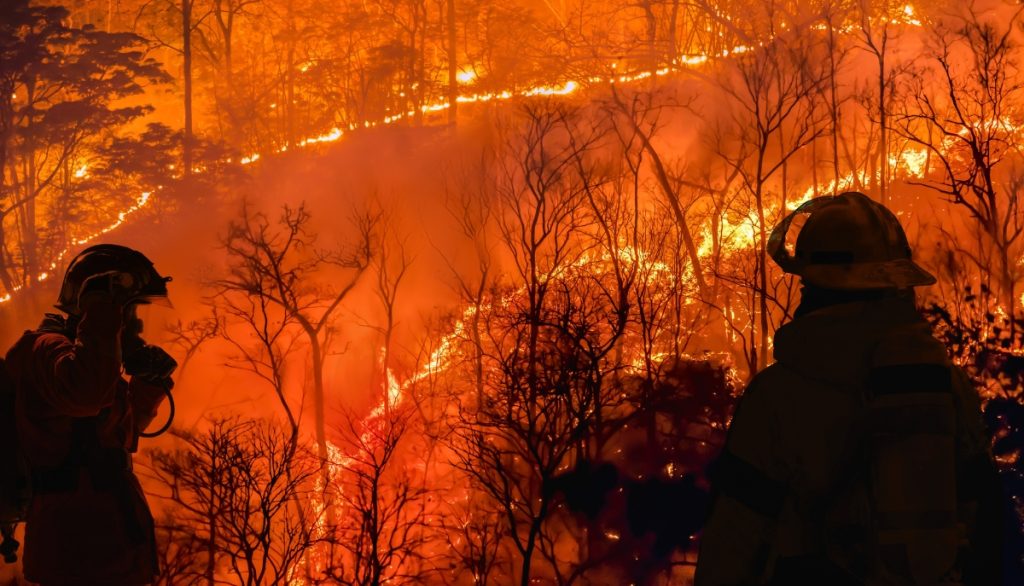
Protective clothing for wildland firefighters
Wildland firefighters face escalating health risks as fire seasons lengthen and fires become more intense. Their work demands long shifts involving strenuous physical labor — […]

Soil fertility research and education drive cost-effective crop production
South Dakota agriculture depends on efficient soil fertility management to remain profitable and environmentally sustainable. With more than 42 million acres in crop production, fertilizer […]

Online resource a ‘recipe’ for healthier, more affordable food choices
Many Michigan residents face barriers to healthy eating, including limited time, cooking knowledge and financial constraints. Having easy, affordable and nutritious meal ideas readily available […]

Producers learn to manage for bird flu during outbreak
Highly pathogenic avian influenza, also known as bird flu, plagues the U.S. poultry industry. In addition to poultry impacts, the dairy industry experienced a spillover […]

Land-grant universities improve lives through diabetes education, prevention
More than 38 million Americans have diabetes, and nearly 98 million have prediabetes, which costs the U.S. $412.9 billion annually between health care and lost […]

Growing food security in urban spaces
Urban communities continue to face persistent constraints related to food access, limited growing space and water availability. Urban, small-scale food production, including controlled environment agriculture […]
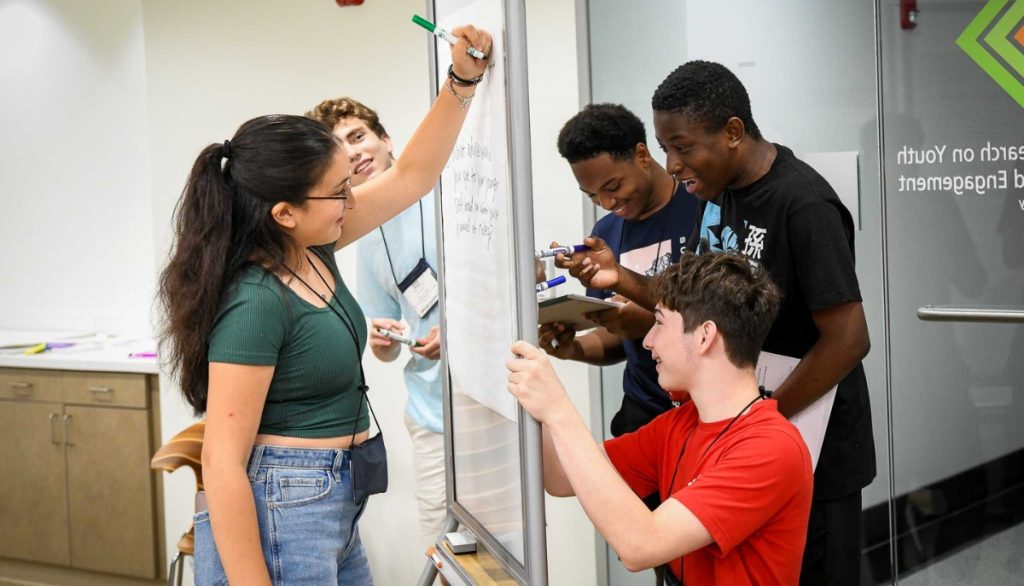
4-H programs prepare youth for college and careers
Professional skills like leadership, communication, problem solving and responsibility are important in any job or career. Land-grant university Extension 4-H programs help youth cultivate these […]
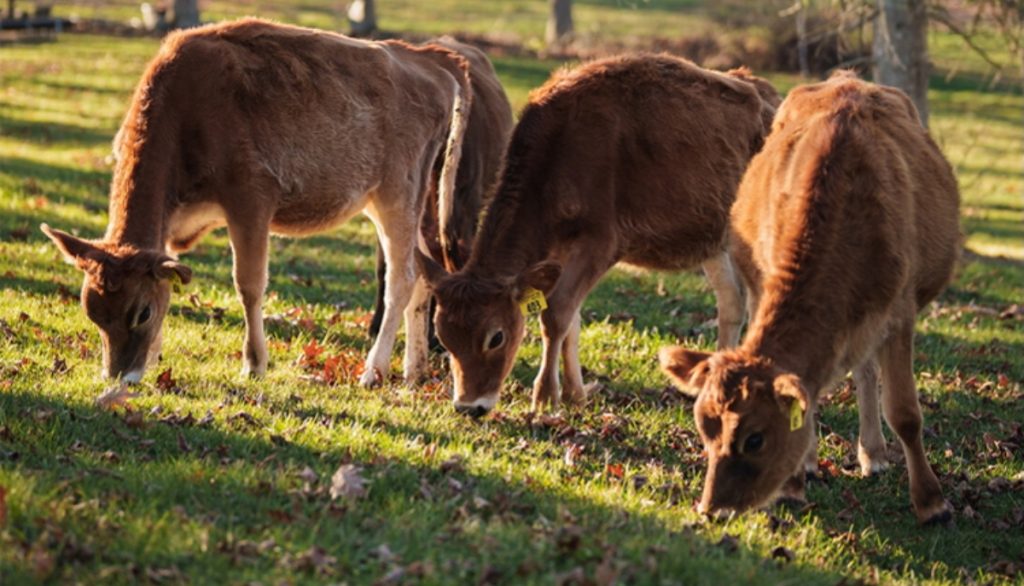
Tech solutions for livestock management
Livestock producers face challenges such a shrinking labor force, limited veterinary access and rising costs. Artificial intelligence, precision agriculture technologies and genome sequencing have shown […]
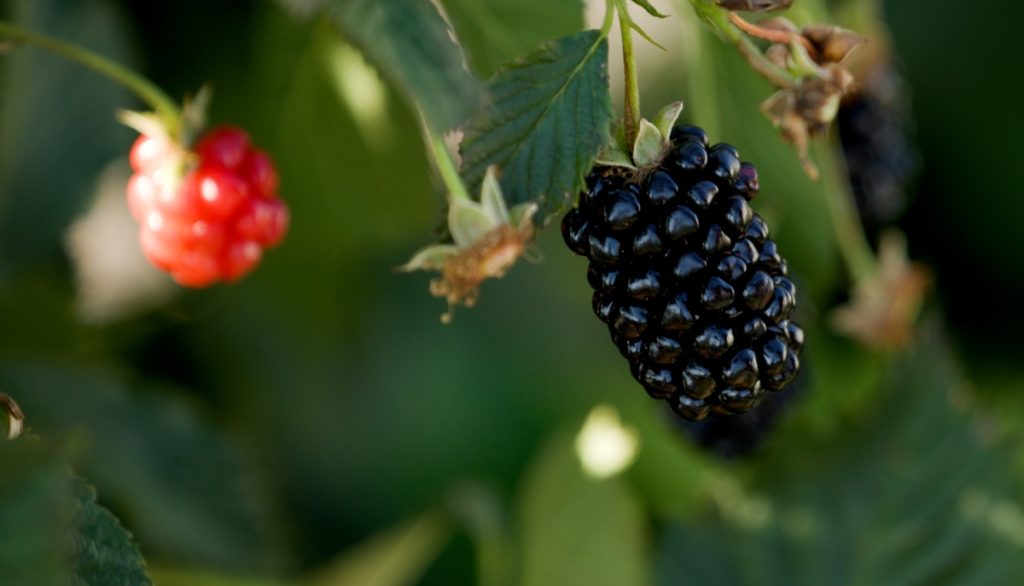
New fruit, vegetable cultivars offer new opportunities for growers
Developing or restoring different fruit and vegetable cultivars allow farmers to plant crops based on disease resistance, fertilizer requirements, adaptations to site-specific soil and weather […]
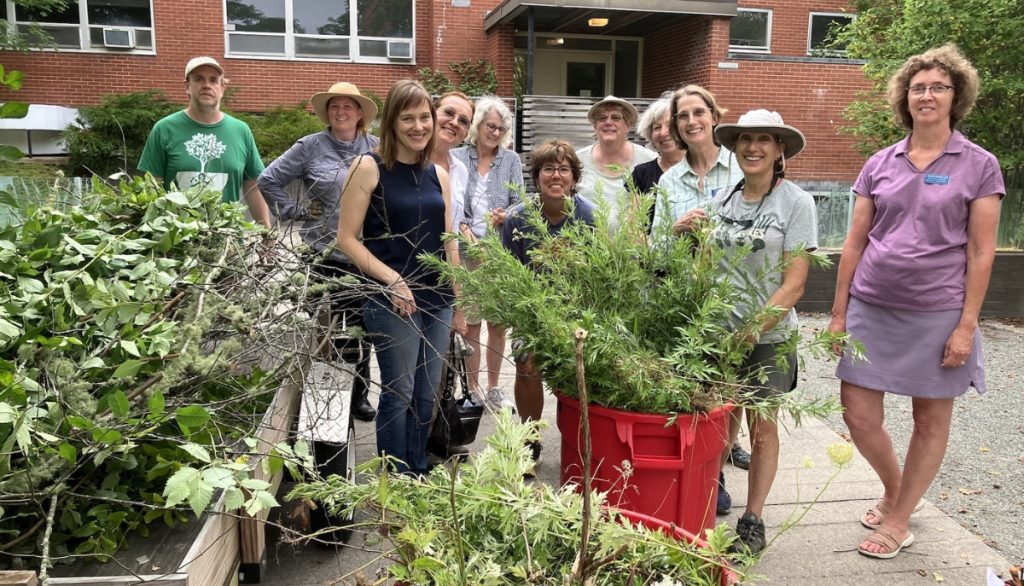
Horticulture programs sprout more resilient communities
Local horticulture is an important tool to combat food insecurity in underserved communities, while boosting environmental sustainability and community health. Volunteers with horticulture training through […]
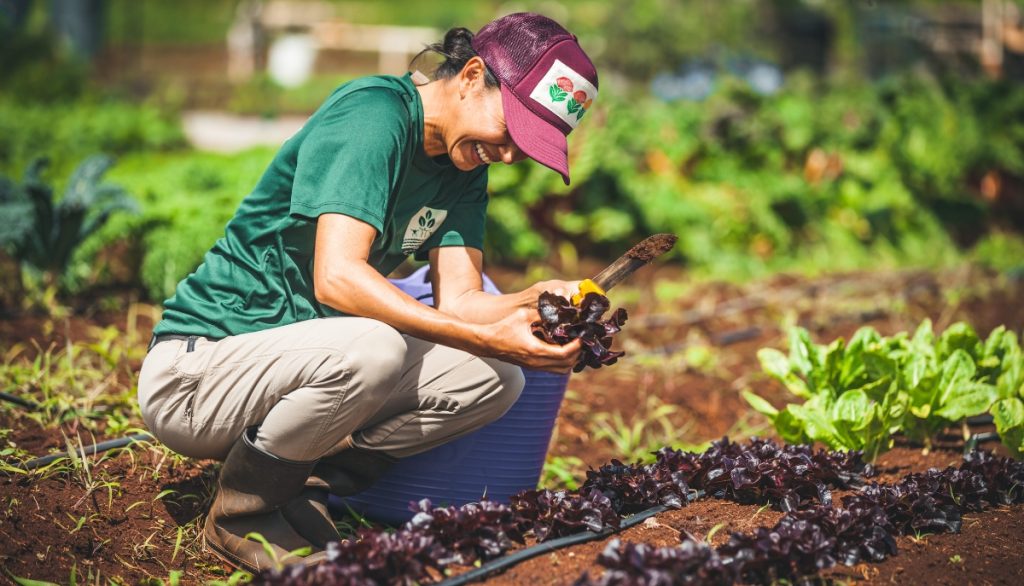
Strengthening the agricultural workforce for the future
The workforce is changing. Across industries and states, trained workers are in demand to support local food systems, meet community needs, ensure safety and increase […]
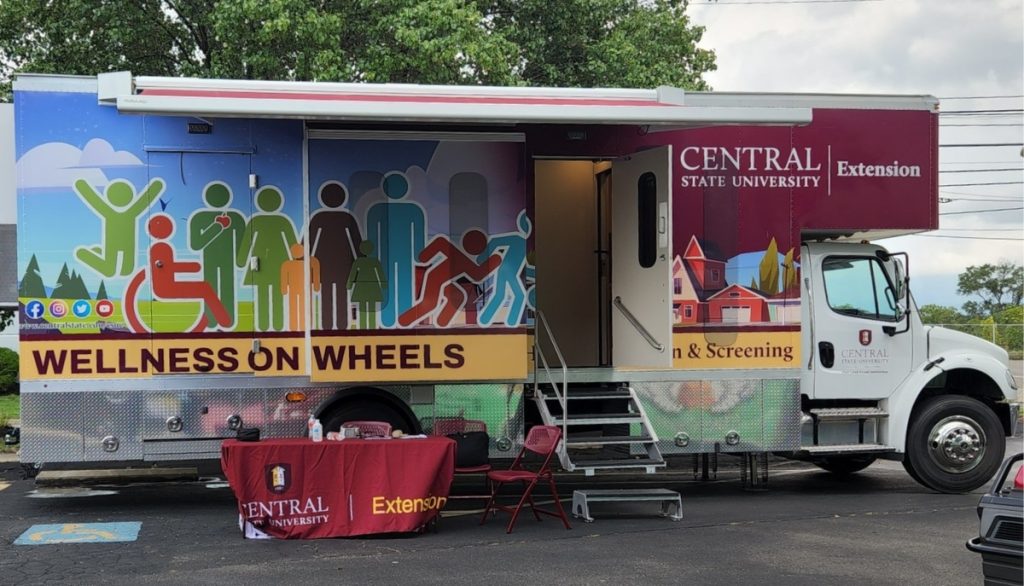
Empowering community resilience
Community resilience support is a critical function of the land-grant system because it equips individuals, families and local organizations with the knowledge, tools and partnerships […]

Agricultural tax education helps farmers understand tax law updates
With tax laws changing annually, farmers, businesses and tax professionals must navigate a challenging landscape to comply with the latest regulations. The University of Minnesota […]
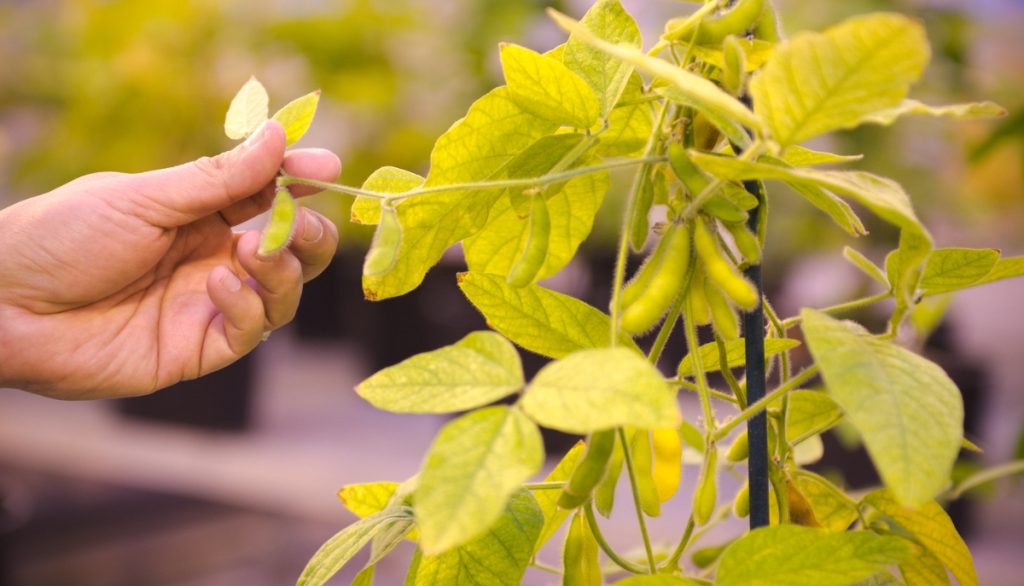
Using genetics for crop disease resistance
Pests of major crops, including wheat, soybean, potatoes, tomatoes and wine grapes, cost American producers billions in yield losses each year and raise prices for […]

Building a solid foundation for children
Early childhood is a decisive period in shaping academic achievement, social development and lifelong success. Parents, caregivers and early childhood educators play a central role […]

Protecting private forests by growing good stewardship
More than half of forest land in the United States is privately owned. This land produces nearly all of the harvested timber that is used […]
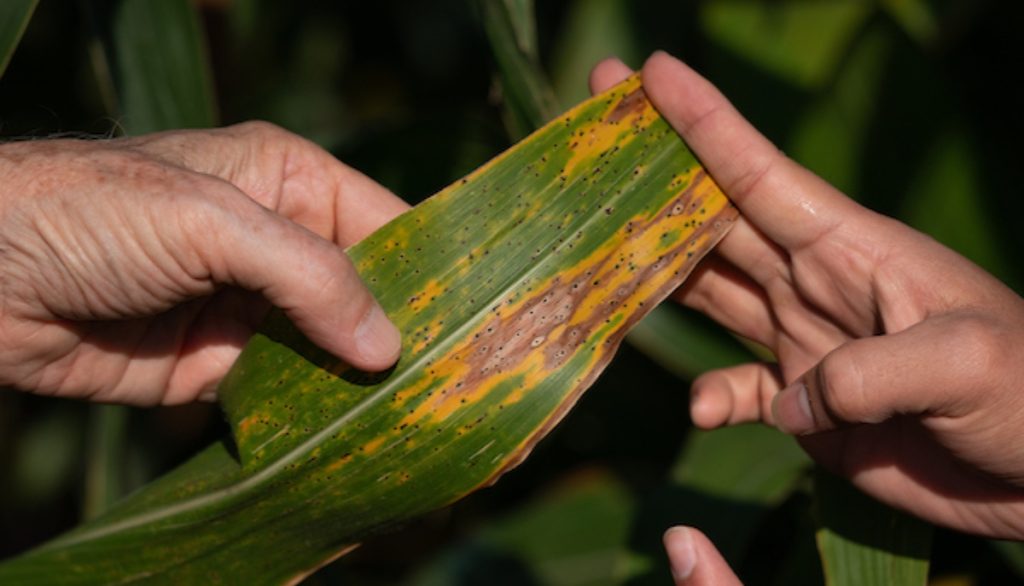
Improving crop profitability through disease management
Land-grant university research and Extension programs help producers manage costly plant diseases through early detection, risk assessment and science-based tools. By integrating applied research, diagnostics […]

Researchers look to science for healthier, better tasting food and drink
Working to create better tasting and more wholesome foods via science means not only healthier consumers, but also more markets for producers and value-added opportunities […]
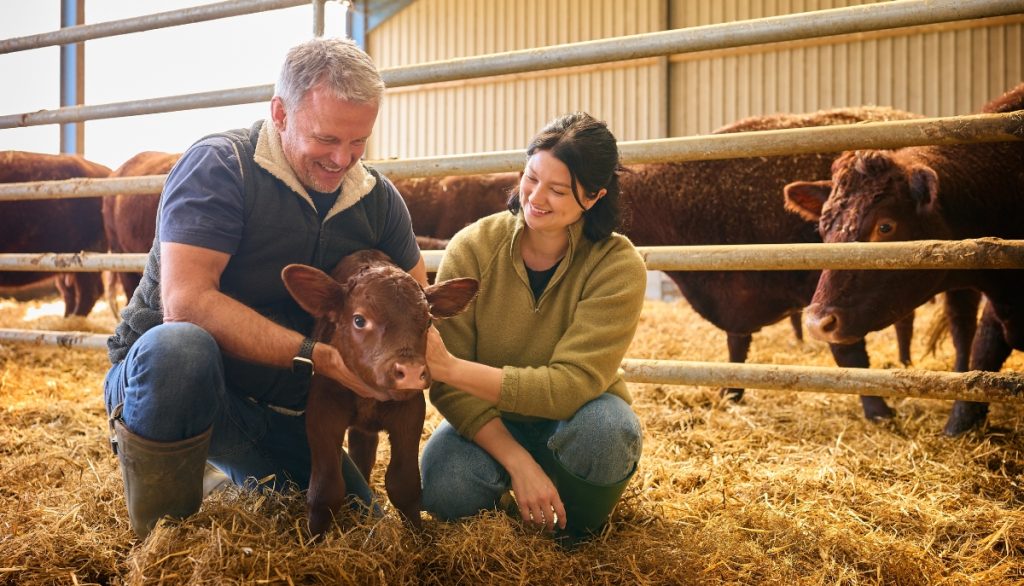
Supporting producer safety, health and well-being
The U.S. Centers for Disease Control suggests that agriculture is one of the most dangerous businesses in the United States. An estimated 160 agricultural workers are […]

Reducing farm stress
Farm stress management addresses the unique mental, emotional and financial pressures that agricultural producers face, helping them build resilience as they confront unpredictable weather, volatile […]
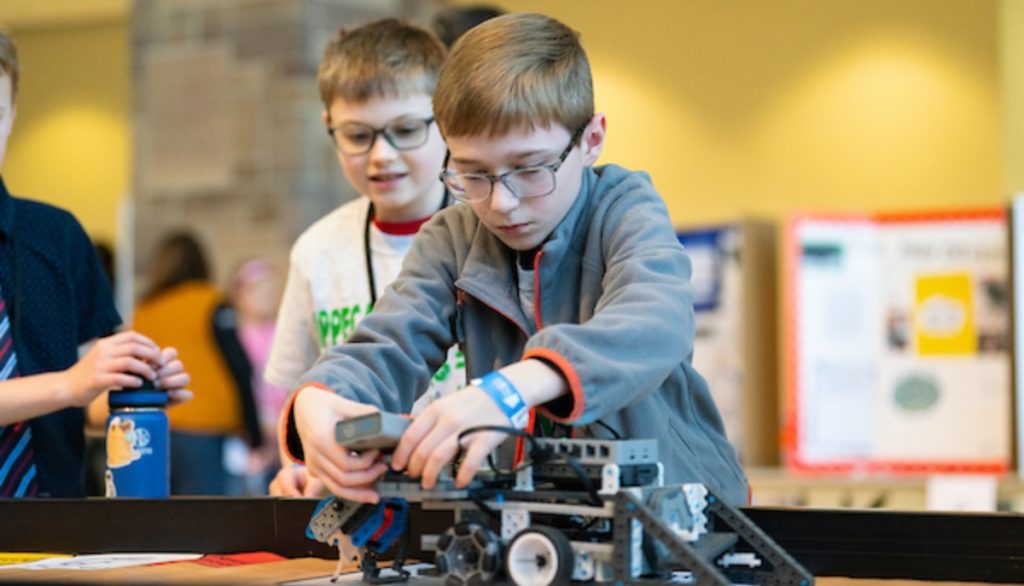
Engaging students in STEM, robotics
Exposing youth to innovative technology builds digital literacy, problem-solving skills and career readiness, preparing the next generation to compete in a rapidly evolving, technology-driven workforce. […]
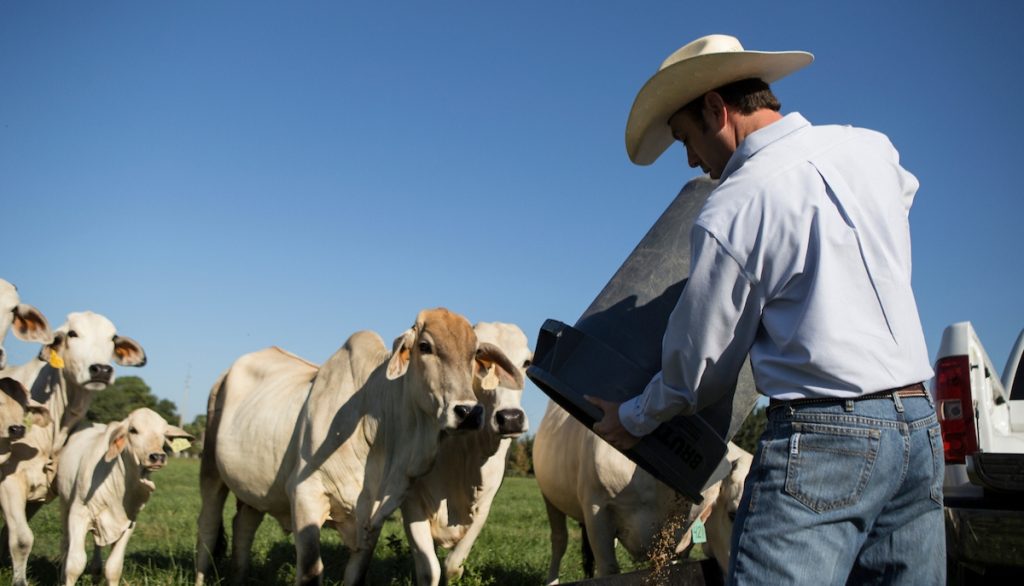
Confronting farm stress through research, Extension
Across the Land-grant University System, outreach and research-based work are critical to strengthening the health, safety and well-being of agricultural communities. By pairing scientific evidence […]

Building networks to aid mental health strengthens communities
Mental health challenges affect individuals and families across the country, yet stigma and lack of knowledge often prevent people from seeking or offering help, especially […]

Extension programs strengthen families through health, parenting initiatives
Healthy and resilient communities are built by supporting families and youths through reliable childcare, mobile health services and strong, healthy relationships. Extension-led efforts strengthen well-being […]

Reducing fall risk and promoting independence
Falls and physical inactivity are critical public health concerns for older adults. National data indicate that only 21.6% of men and 17.6% of women aged […]
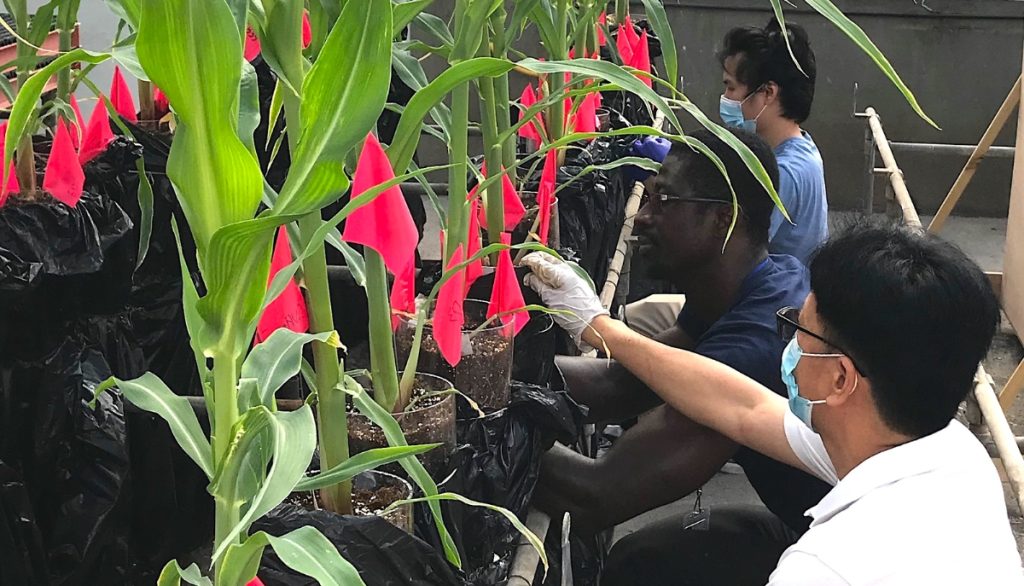
From field to fork: biochar strengthens the entire food system
Corn production is central to U.S. agriculture and food systems, yet its reliance on nitrogen fertilizer creates both economic and environmental challenges. While nitrogen is […]
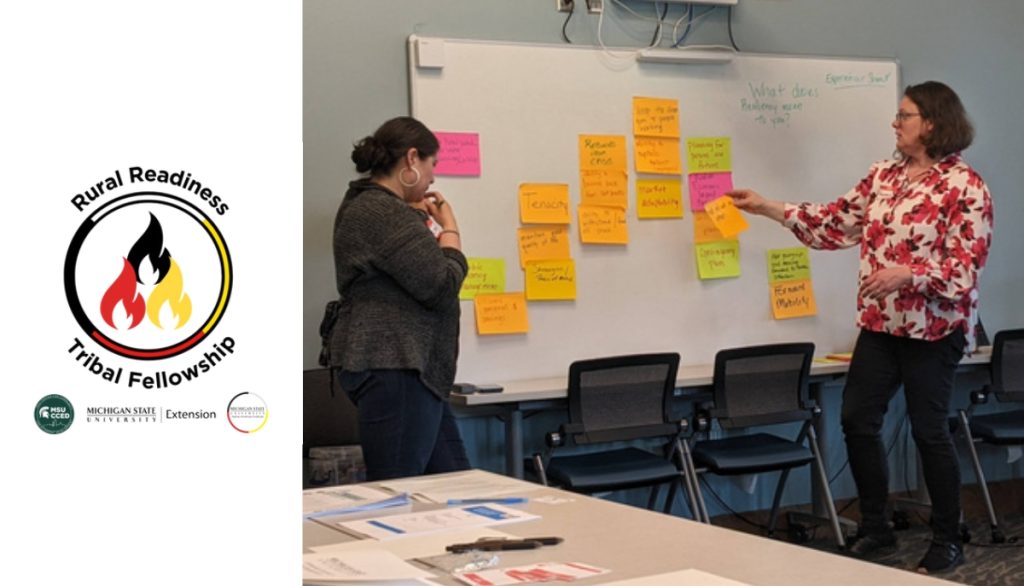
Collaborative planning strengthens tribal economic resiliency and leadership capacity
Tribal Nations continue advancing economic resiliency efforts for their communities grounded in sovereignty, cultural values and priorities. Strategic planning that reflects Tribal governance structures, supports […]

Strengthening water quality across landscapes
Access to clean, reliable water for communities, ecosystems and agriculture is increasingly threatened by issues such as nutrient pollution and emerging contaminants. Land‑grant universities are […]

Gut microbial research promotes better health, prevents chronic illness
Gut microbial research is important because the microbes living in the digestive system play a central role in human and animal health. They help regulate […]

Food is medicine
The “food is medicine” approach emphasizes the role diet has in preventing disease, supporting overall health and improving quality of life. Land-grant universities connect research-based […]
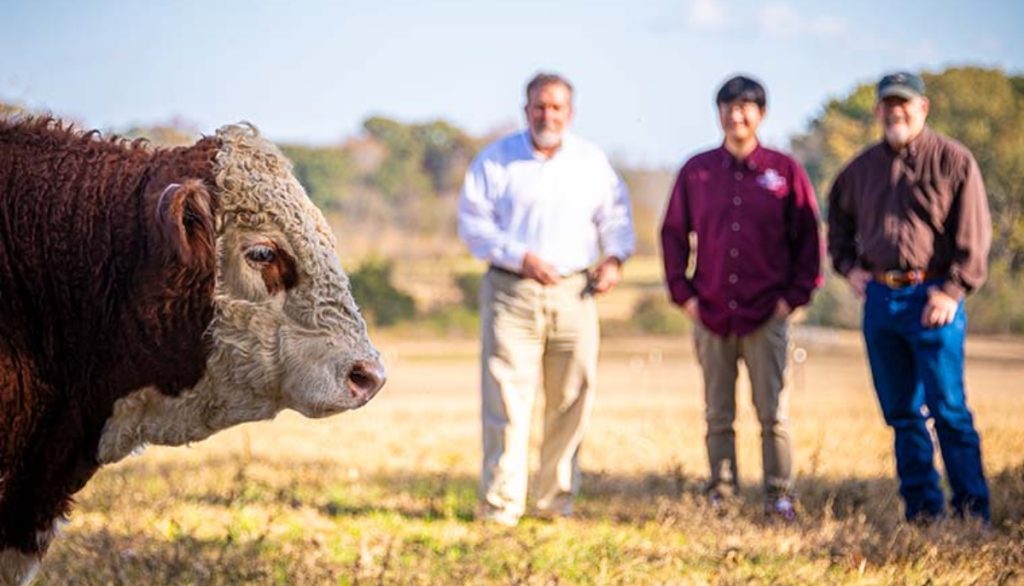
Fine-tuning livestock production systems to overcome challenges
Livestock researchers are exploring new ways to achieve higher profitability through reproductive research, technology and traditional education outreach to help offset rising production costs. Here […]
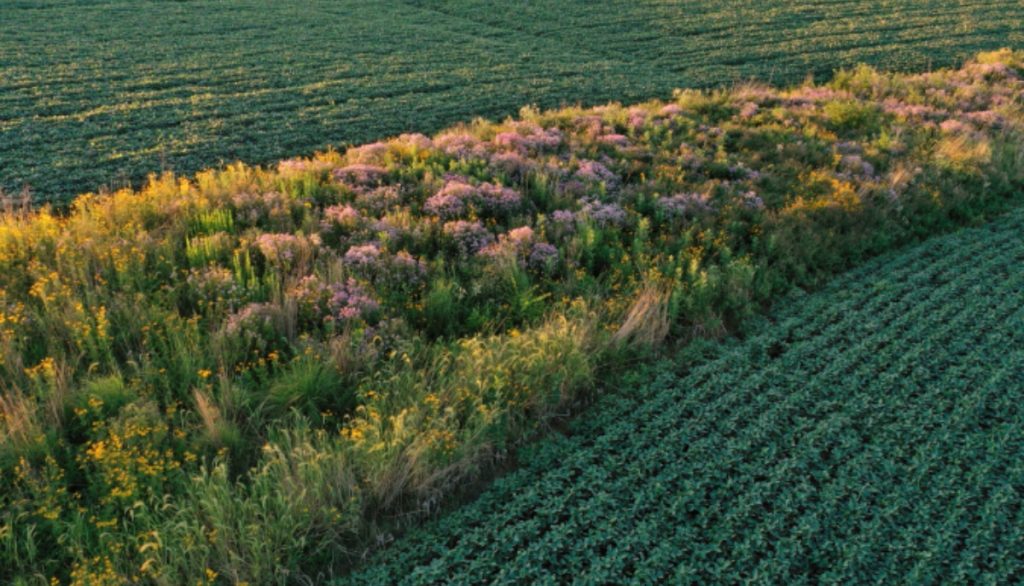
Iowa researchers study how prairie strips can boost soil health
Prairie strips are narrow bands of perennial, herbaceous vegetation strategically planted within crop fields. Studies have demonstrated their benefits for erosion control, water quality and […]
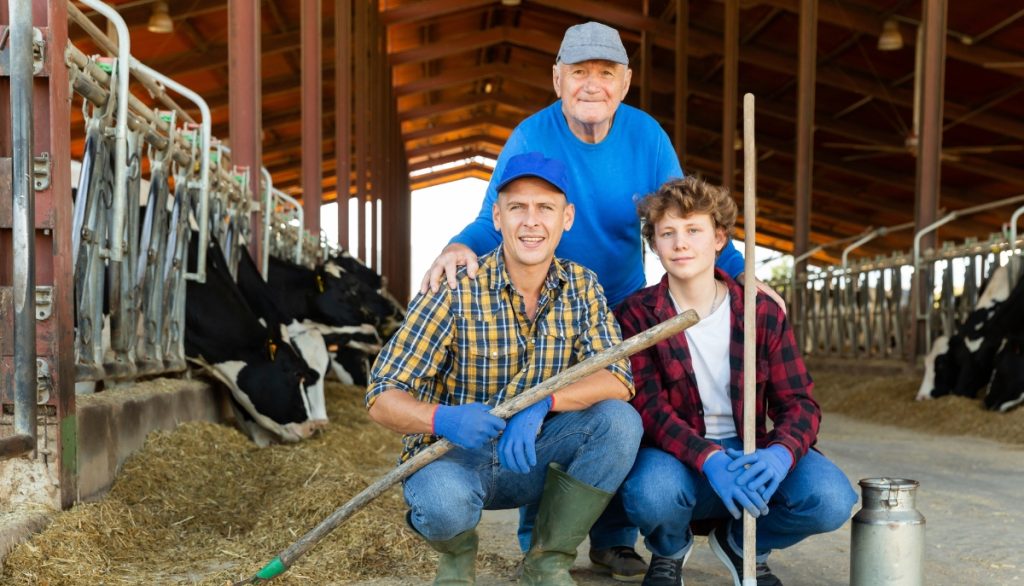
Securing agriculture’s future through successful farm transitions
Kansas State Extension, University of Nebraska-Lincoln and Purdue University Extension in Indiana helped families ease the transition of farms to the next generation through a […]

Building healthier communities through land-grant mental health programs
Communities across the United States are affected by mental health challenges. The Land-grant University System is addressing those challenges through programs that provide practical skills […]

Even when farmers adapt to extreme weather, crop losses continue
A first-of-its-kind study analyzed the real-life measures that farmers worldwide are taking to combat reduced yields due to higher temperatures, drought conditions and other extreme […]
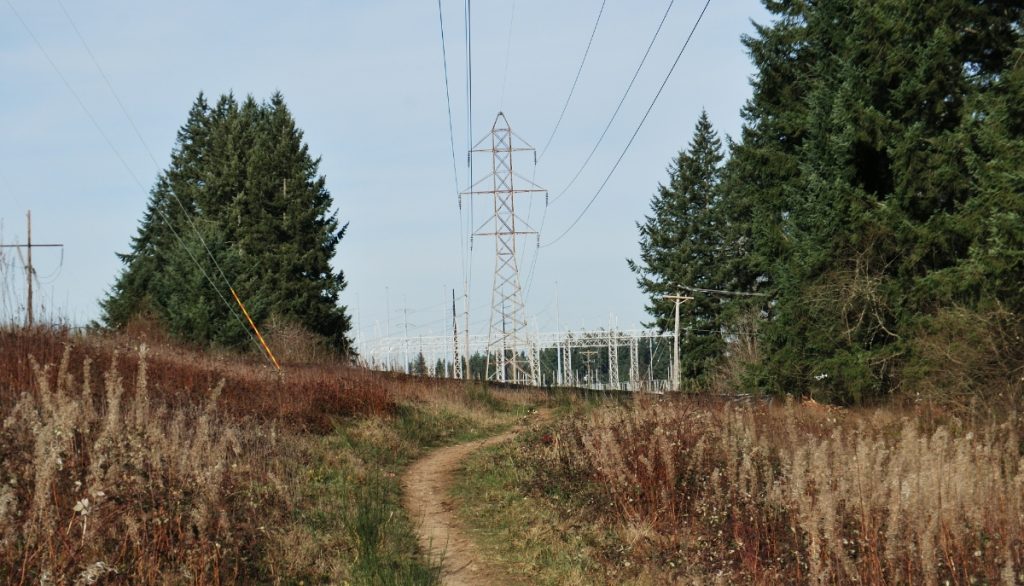
Connecting communities through digital skills, broadband initiatives
Extension programs at land-grant universities address community needs nationwide by expanding digital infrastructure, supporting economic development and building technology skills. These efforts strengthen educational connections […]
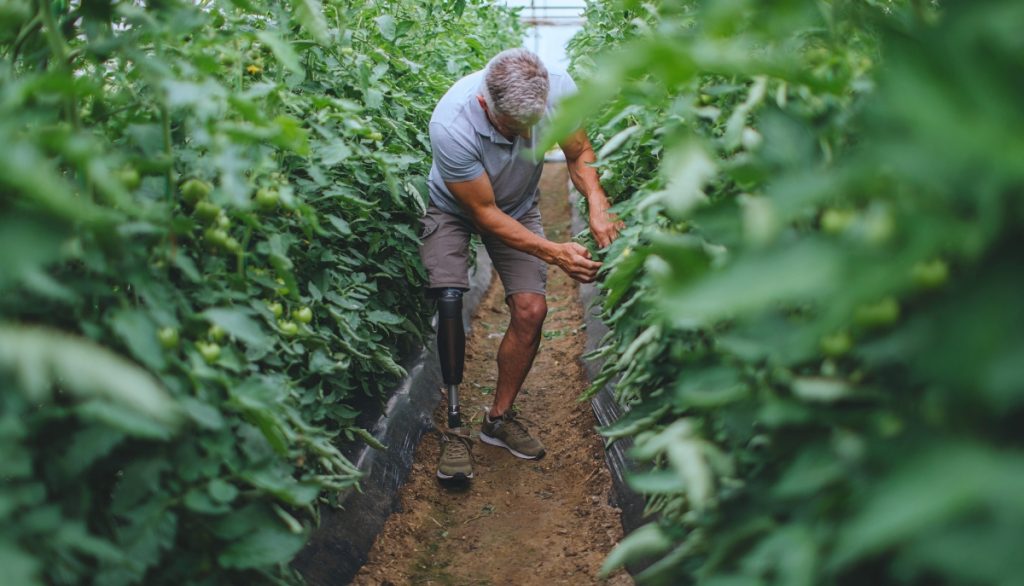
Readying veterans for agricultural enterprises
Military veterans across the Midwest are increasingly pursuing careers in agriculture, yet many lack access to training in production economics, enterprise budgeting and sustainable farm […]

Developing sustainable domestic biofuels
Land‑grant universities are developing sustainable bioproduct solutions that transform renewable biomass, including food and agricultural wastes, into valuable materials. These bioproducts strengthen national energy and […]

Nanoplastics can make E. coli more toxic, Illinois researchers find
Nanoplastics — ultrafine plastic particles formed when larger pieces of plastic break down — are everywhere, from soils to waterways to the human body. Because […]
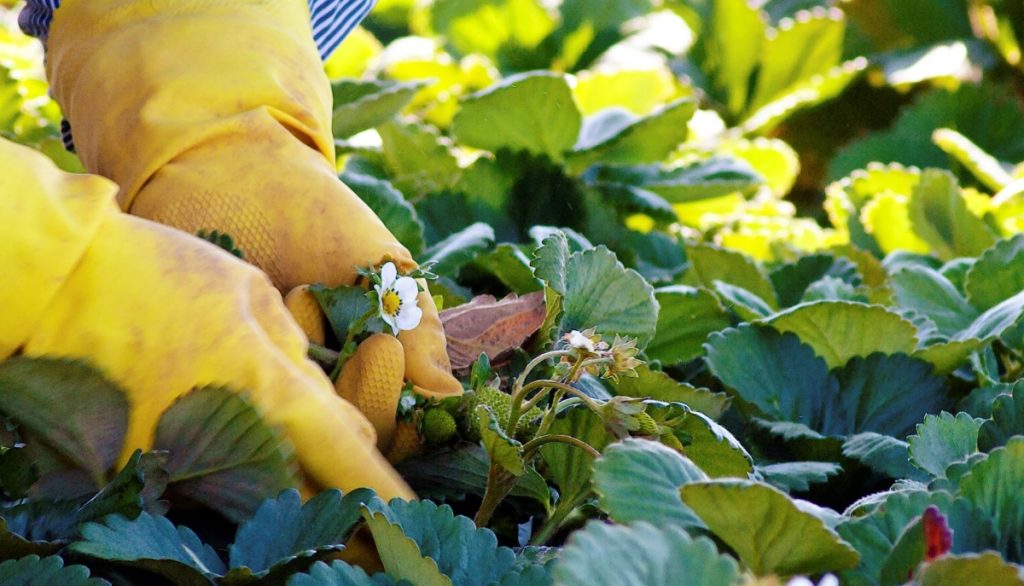
Research helps increase specialty crop profitability
Specialty crop growers provide popular products to consumers. There are many challenges to growing the products commercially. Land-grant universities support growers with research and resources […]
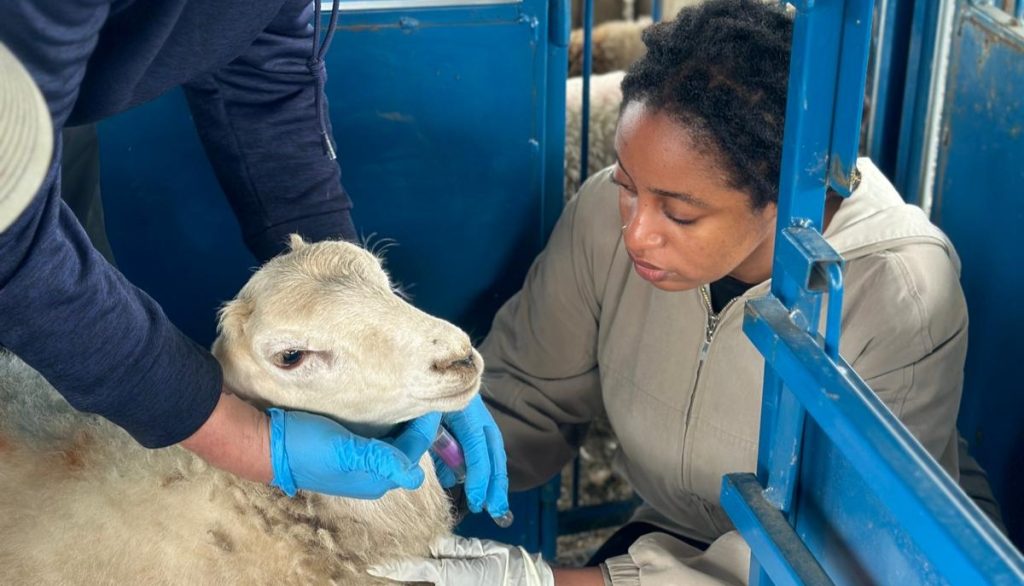
Enhancing food safety with research and training
The United States food supply is among the safest in the world, but every day news stories report food recalls for a variety of safety […]

Illinois study finds cover crop adoption doubles
Cover crops improve soil health and water quality. They also reduce greenhouse gas emissions. But only about 5% of U.S. agricultural lands use them, despite […]

Integrated approach identifies bee protection opportunities in rural, urban areas
Bees are essential pollinators for many fruits, vegetables and ornamental plants. Continuing declines in their populations jeopardize crop yields, food security and biodiversity. Over 400 […]
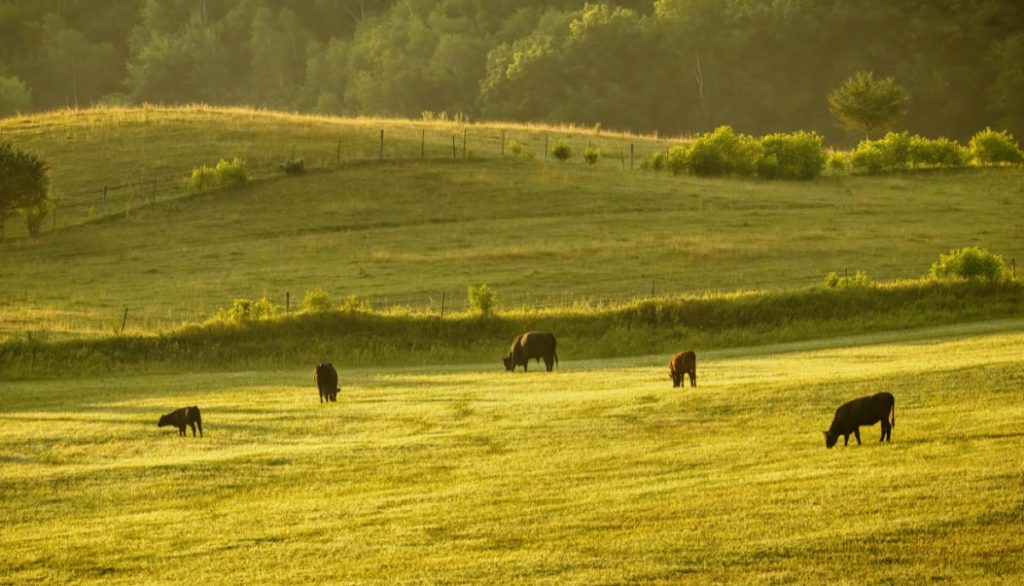
Soil carbon under managed grazing in Southern Wisconsin
Building organic carbon soil (SOC) on agricultural land is an important strategy for stabilizing the climate by storing carbon that would otherwise contribute to greenhouse […]
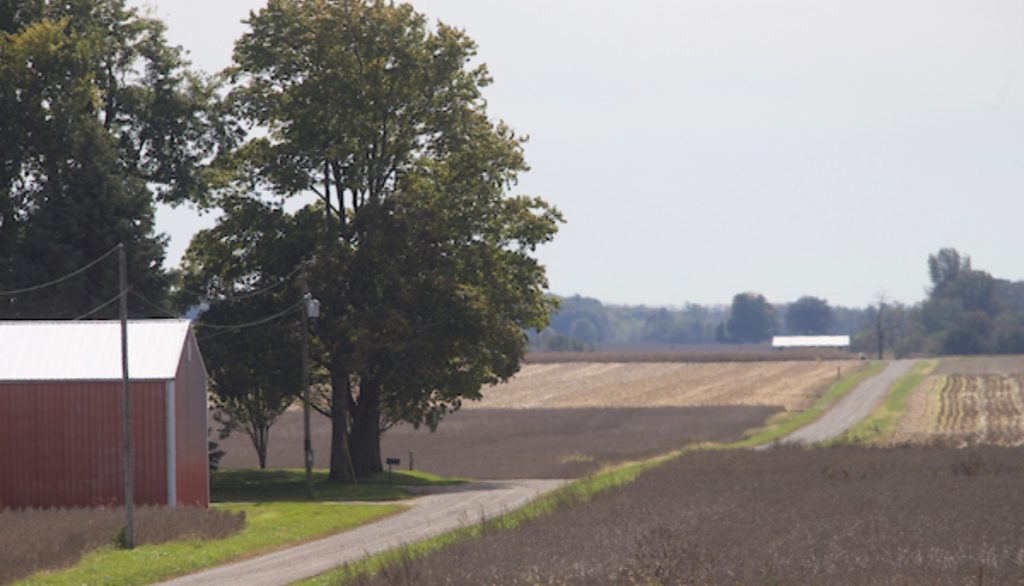
Indiana expands broadband map
Through the federal Broadband Equity, Adoption and Deployment program, Indiana received nearly $870 million starting in 2024. Because a map assembled by the Federal Communications […]

Improving financial literacy and well-being in adults
Adults in the U.S. often struggle with financial well-being. They face challenges including insufficient savings, debt struggles and confusion around changing tax codes. The Land-grant […]

Building youth mental health support capacity through Extension training
Youth mental health challenges continue to rise nationwide. According to the National Council for Mental Wellbeing, one in five teens and young adults live with […]
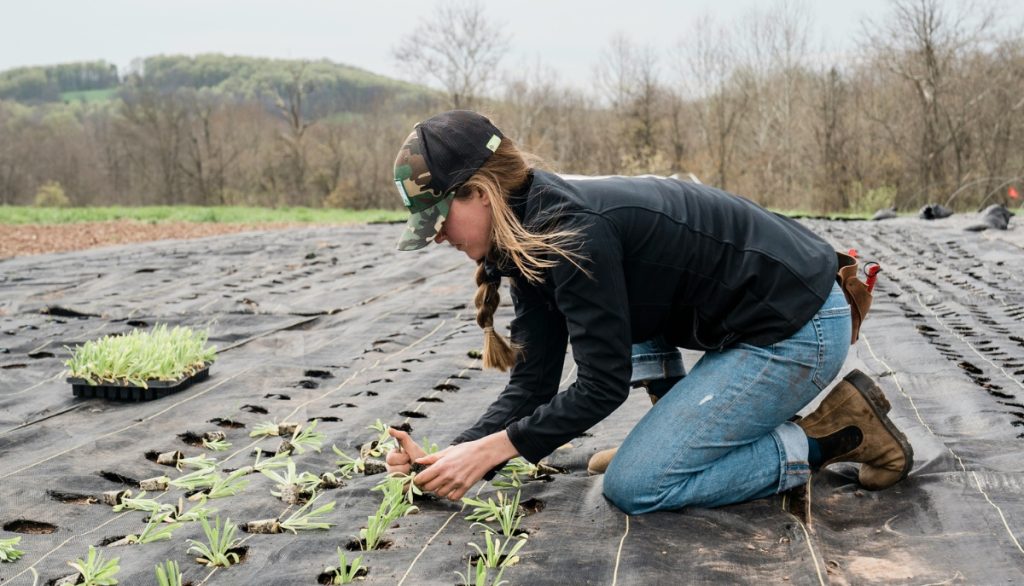
Recognizing regenerative ag champions
Small-scale farmers who use regenerative practices play an important role in local food systems. These farmers often operate in areas with limited access to fresh […]

Extension trainings keep Americans safe from foodborne illness
Foodborne illness is a widespread, costly public health concern in the United States. Each year, one in six Americans becomes sick from contaminated food, leading […]
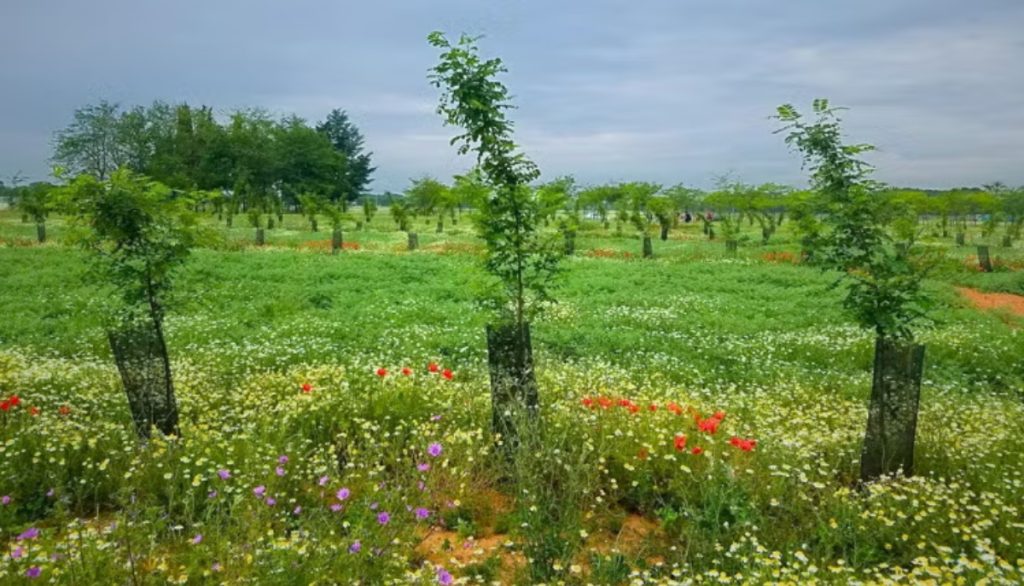
Decision support tool visualizes benefits of agroforestry
Agroforestry — the intentional integration of trees and shrubs in agricultural systems — can provide a multitude of environmental benefits. However, few farmers in the […]

Preparing for extreme weather
Extreme weather can affect communities, farms, businesses and livelihoods. These weather events, such as drought, wildfires and flooding can pose harm to people, livestock, plants […]

Healthy aging
Healthy aging is essential for maintaining independence, well-being and quality of life as people grow older, and it benefits not only individuals but also their […]

Supporting meat and dairy industries
Meat and dairy provide critical protein and a wide variety of other products for consumers and represent economically important industries across the country, not just […]

Extension programming educates, empowers teens to make informed health choices in supportive environments
Teenage youth are one of our greatest resources for influencing change that leads to healthier communities; they are our next generation of leaders. When creating […]