Tag - Pest Management

Topic

researcher Pam Roberts standing in experimental tomato crops

Multistate project studies solutions to bacterial spot in tomatoes, peppers

Tomatoes are big business for Florida farmers, contributing $500 million annually. Bell and chili peppers are also popular crops among consumers with production value of more than $536 million. However, bacterial spot is a threat to yields and harvest revenue.  University of Florida researchers are working to solve this major issue along with scientists at the University of Georgia, North [...]

Read more...
a feral hog

Trapping training helps reduce feral hog population in Arkansas

Feral hogs cause extensive economic losses in agricultural economies and impact forests, wildlife habitat and the landscape. The U.S. Department of Agriculture estimates feral hogs cause $41.3 million in crop, pasture and livestock losses annually in Arkansas alone. To address feral hog populations, Arkansas Extension agents received training in net capture systems and installed eight systems to capture the hogs. [...]

Read more...
hemp

Helping hemp growers improve crop quality

Hemp, a non-psychoactive variety of Cannabis sativa L, has re-emerged as a popular crop after the 2018 Farm Bill granted hemp “crop status,” therefore removing it from the Drug Enforcement Administration list. It is sought after for a wide variety of consumer and industrial products including cosmetics, foods, fiber, building materials, biofuel and soil remediation. Vermont Agricultural Experiment Station scientists [...]

Read more...
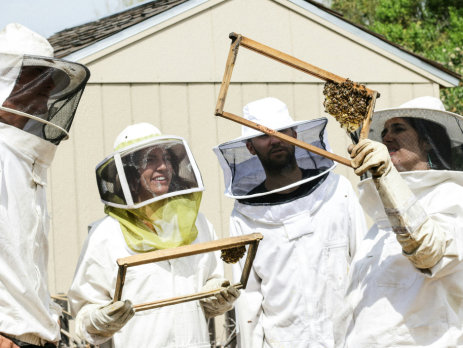
four people in beekeeper suits examine honeycombs from a beehive

Extension assists Michigan beekeepers to improve honeybee management

The Michigan State University Extension apiculture team partnered with the Michigan Beekeepers Association to conduct a needs assessment of the state’s small-scale beekeepers. Keeping bee colonies alive and disease identification and management were identified as the most important issues. An Extension apiculture educator then collaborated with Michigan beekeeping clubs to deliver in-person education on managing varroa mites and integrated pest management, [...]

Read more...
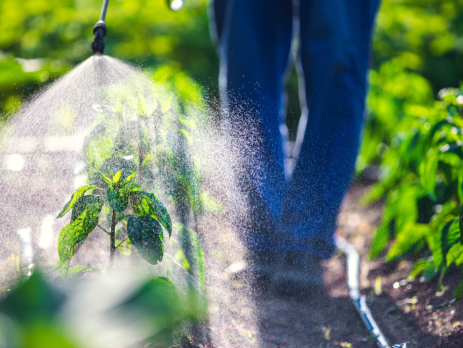
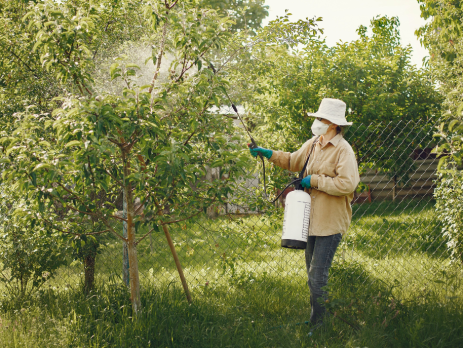
a person spraying pesticide on a plant

Restricted-use pesticide training boosts wages and saves local farmers money on pesticide management costs

Most farmers need to pay a contractor to spray restricted-use pesticides on their farms if they don’t have a license to do so. At $8 per acre, applied three times each growing season, the cost can really add up. On average, a farmer in Jackson County, Florida, can expect to spend more than $2,400 on pest control each season. A [...]

Read more...
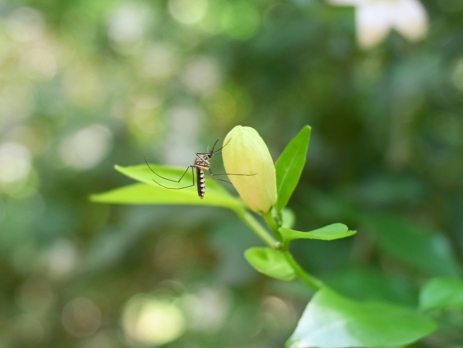
a mosquito on a flower

Reducing mosquito populations through nectar control

Mosquitoes pose a significant public health challenge as vectors of diseases such as Zika, malaria and West Nile virus. At the same time, they contribute to ecosystems as pollinators and as a food source for various species. In urban and suburban environments, managing mosquito populations is crucial for reducing disease transmission while minimizing ecological disruption. A research project at [...]

Read more...
a mosquito on human skin

Texas vector and tick management education

The Texas A&M AgriLife Extension Vector Management Program is the state’s only comprehensive educational resource for vector control professionals, providing up-to-date information on insect vectors, disease transmission and management strategies. Established in response to the 2012 West Nile Virus outbreak, which infected 1,868 Texans and resulted in 89 fatalities, the program has since expanded to address a broader range [...]

Read more...
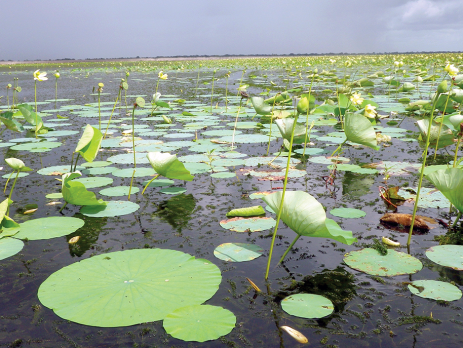
a body of water covered in lotus plants

Managing invasive species

Invasive species are organisms that are non-native to an ecosystem and whose introduction causes economic, social or environmental harm. Nearly every terrestrial, wetland and aquatic ecosystem in the United States has been invaded by non-native species, with economic losses estimated at $137 billion per year. Land-grant universities are leading the battle against invasive species. Here are a few examples of [...]

Read more...
a group of scientists planting experimental crops

Reaching diverse farms and farmers

Extension educators and researchers across the Land-grant University System reach diverse farmers and farms through programming, information and accessible tools. Their work ensures farming resources are available to all individuals. Here are a few examples of that work: Minnesota Extension launched a pilot project to bring Minnesota-grown goat meat to halal customers. The collaboration has resulted in the first halal certified [...]

Read more...
scientists examines experimental plants

Improving nursery and fruit crops

Specialty crops, including fruits, floriculture and nursery crops, provide a wide range of products and play a crucial role in the American economy. Land-grant university researchers and educators provide new varieties, production practices and other innovations that help ensure a reliable supply of high-quality products for consumers. Here are a few examples of that work: North Carolina Extension educators are helping [...]

Read more...
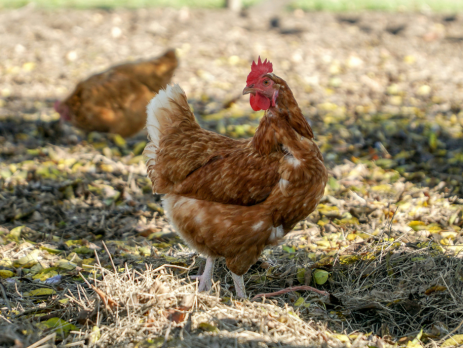
chicken in a field

Small acreage and new landowner education

Texas is experiencing rapid population growth in urban areas and, increasingly, in rural and urban-adjacent lands. This has created a rapid increase in first-time landowners and small-acreage landowners across the state. These landowners often lack knowledge on basic land management and conservation, leading to poor and varied management outcomes. Texas A&M AgriLife Extension developed a network of programs across Texas, [...]

Read more...
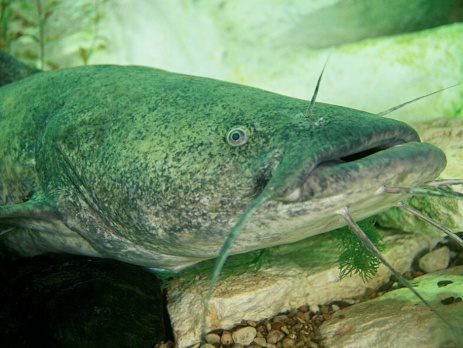
a closeup photo of the flathead catfish

Research tracks genetic diversity to help manage invasive catfish

It’s difficult to know exactly how the invasive flathead catfish is expanding into nonnative waterways in the U.S. even if we know the many possible introduction pathways. This species, which has become a popular sport fish in its introduced ranges, has been shown to have negative effects on native fish, including consumption and competition with native fish. Once introduced, the [...]

Read more...
nature trail surrounded by native Nevada plants

Trainings aim to reduce pesticide contamination in urban waterways

Nevada’s population is growing significantly, particularly in urban regions. Pesticide residue in waterways – especially from products used for nonagricultural purposes – underscores the need for education among landscape professionals, pesticide applicators and residents controlling pests in urban areas. Over the last decade, University of Nevada Cooperative Extension has developed integrated pest management (IPM) education that has led to a [...]

Read more...
A tractor sprays pesticides in an orchard

Safer, more sustainable pest management

Managing pests is essential to healthy, safe and productive agricultural, urban, residential and natural areas. But pesticides can cause air and water pollution and unintended harm to nontarget organisms. Pesticide exposure has also been linked to human health problems. In addition, many pests eventually develop resistance to commonly used chemicals, rendering those chemicals ineffective. Researchers and Extension educators across [...]

Read more...
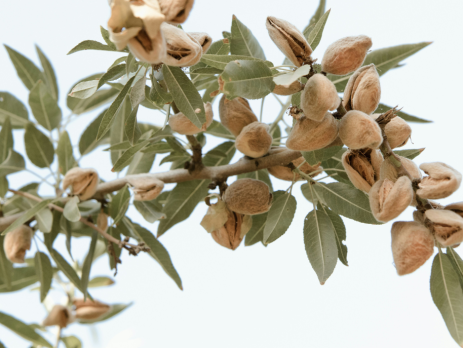
almonds growing on a tree

Innovative spray system reduces pesticide drift from California almond orchards

Pesticide drift from farm fields and orchards can pose a health risk to people working and living nearby. These chemicals can cause respiratory issues, skin irritation and other harmful effects. To reduce the risk of pesticide drift, University of California Cooperative Extension developed an innovative spray backstop system for almond orchards. Combining engineering, agriculture and environmental science expertise, the scientists [...]

Read more...
pesticides for spotted lanternflies

Bilingual Spray Safe, Spray Well recordings provide permanent resource for pesticide safety

Beginning organic growers, urban farmers and Spanish-speaking vegetable producers have been historically underserved by traditional cooperative Extension efforts to support agricultural risk management, especially related to safe and effective pesticide use. Production systems commonly used by beginning organic growers and urban farmers are often smaller, more intensive and less dependent on chemical control strategies for pest management than larger [...]

Read more...
an Alaskan lake surrounded by native and invasive plant species

Alaskans root out invasive bugs and weeds

Invasive weeds and insects can lower land values and farm productivity and interfere with recreation, tourism and foraging. Improving the ability of residents, farmers and land managers to assess pest management practices is critical to protecting the Alaska way of life. To get residents involved in controlling invasive pests, the University of Alaska Fairbanks Cooperative Extension Service provided education about [...]

Read more...
sweet potato root galls

Land-grant universities nationwide work together to sustainably manage nematodes

Nematodes are tiny, usually microscopic, roundworms that are incredibly common and widespread. They account for 80% of all individual animals on Earth. Some nematode species are beneficial to agriculture, while others have major detrimental impacts. Plant-parasitic nematodes can lead to poor soil and low crop yields. In the United States, annual economic losses due to nematode infection of crops [...]

Read more...
a woman wearing PPE sprays pesticides on a tree

Proper clothes laundering lowers pesticide risk

Without proper safety precautions, pesticides may harm people. Farmers and others may become exposed to pesticides from residue on work clothing. In a survey of pesticide applicators conducted by University of Minnesota Extension, only 15% of applicators said they follow pesticide labels for clothing selection. Because 45% of respondents had someone else wash their contaminated clothing, those family members may [...]

Read more...
a person checking on lettuce crop

Flexible training for new vegetable farmers in Connecticut

In Connecticut, new and beginning vegetable farmers are frequently first-generation farmers who also juggle off-farm jobs. These farmers need flexible training and support to build a thriving business that remains economically viable. To support these farmers, UConn Extension has developed an online, asynchronous vegetable production certificate course for farmers who have less than three years of experience growing vegetables. Participants [...]

Read more...
a tractor spraying pesticides

Farm pesticide training program decreases drift complaints in Georgia

For many family farms, pesticides provide the foundation for effective pest management. The U.S. Environmental Protection Agency’s pursuit of protecting endangered species in accordance with the Endangered Species Act is challenging the practical use of these tools. In response, University of Farm pesticide training program decreases drift complaints in Georgia Extension participates in a joint effort that protects both family [...]

Read more...
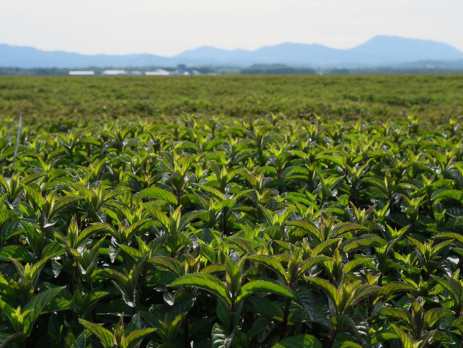
mint field in Oregon with mountain range in the background

Informing mint growers to reduce pesticide harm

The Oregon mint production industry had an estimated $28.7 million value in 2022. Losses from pests like mint root borer and variegated cutworm can eat into farmers’ profits, but the pesticide traditionally used to control these pests was phased out for use in food crops by the U.S. Environmental Protection Agency in 2022. Farmers now must use a newer [...]

Read more...