
Tag - Vermont

State/Territory

young girl looks into a microscope

Strengthening communities by expanding access to education and resources

The Land-grant University System is helping make communities stronger by ensuring information and programs are accessible and beneficial to all. From making workplaces safer to bringing science education to new audiences to helping better connect residents with community resources, Extension professionals are keeping their mission to reach and serve all people top of mind. Here are a few examples of [...]

Read more...
a woman checks her shopping cart at the grocery store

Helping immigrants shop smarter for food

New refugee families arriving in the United States face many challenges, including finding jobs, housing and adapting to their new community. They also need to learn how to navigate the aisles of a grocery store, prepare meals with foods that may be unfamiliar to them and stretch their food budget to feed their family. Making healthy food choices is [...]

Read more...
a honeybee sits in the middle of a flower

Pollinators support agriculture profitability

Bees, flies, moths and other pollinators are essential to the environment. Pollinators improve the quality and quantity of farmers’ crop yields, which adds an estimated $18 billion in crop production revenue annually. Pollinators also support healthy ecosystems needed for clean air, stable soils and diverse wildlife. However, both wild and domesticated pollinators are at risk, most notably many wild [...]

Read more...
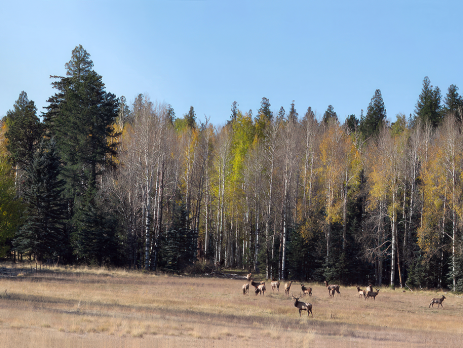
forest with wildlife

Forestlands are fundamental for healthy ecosystems

Forests are vulnerable to climate change, but when managed sustainably they can play an important role in mitigating climate change. Healthy trees provide oxygen by removing carbon dioxide from the air through photosynthesis. The carbon is stored in wood, plants and soil, helping to reduce carbon emissions. Land-grant universities are supplying research and outreach to improve our forestlands. Here are [...]

Read more...
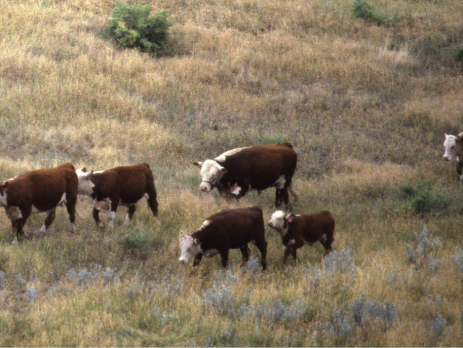
cattle walking through a field

Rapid response to animal and food safety and security threats

When disasters happen, land-grant universities are partners with local communities in sharing resources and information, providing training, offering testing and technical assistance and collaborating on future research. Timely and coordinated response efforts support local communities and producers and ensure access to a safe food supply. Here are a few examples of that work: Extension educators in Oregon responded quickly to coordinate [...]

Read more...
the torso of a person checking something off on a clipboard

Research and education combine to fight food contamination

The U.S. Centers for Disease Control estimate that 48 million people become ill from foodborne illnesses annually, resulting in 3,000 deaths. Through research and education, land-grant institutions are working to reduce the pathogens contained in food and increase food security. Here are a few examples of that work: In Vermont, a certification program known as CAPS+ was developed to assure retailers [...]

Read more...
a closeup of hands examining wheat

Strong farms strengthen local food systems

New farmers just starting out and established farmers looking to expand markets have something in common: looking to the Land-grant University System to support their growth. Strong local farms strengthen local food systems and food security. Here are a few examples of this work: When participant surveys indicated a need for more in-depth and hands-on farmer education, Idaho Extension educators responded [...]

Read more...
a group of cows stands in a grassy area near some trees

Research, education improve livestock health

Livestock producers are continually searching for the best management strategies to protect animal health, which is essential to productivity and profitability as well as the animal’s well-being. Maintaining healthy animals also protects human health. Here are a few examples of how land-grant universities are contributing: When the highly pathogenic avian influenza (HPAI) threatened domestic poultry in Oregon, Extension responded rapidly with [...]

Read more...
A tractor sprays pesticides in an orchard

Safer, more sustainable pest management

Managing pests is essential to healthy, safe and productive agricultural, urban, residential and natural areas. But pesticides can cause air and water pollution and unintended harm to nontarget organisms. Pesticide exposure has also been linked to human health problems. In addition, many pests eventually develop resistance to commonly used chemicals, rendering those chemicals ineffective. Researchers and Extension educators across [...]

Read more...