Tag - Forest Protection and Management

Topic

a downed tree across a road

Evaluating forest hurricane damage with AI and lasers

As hurricanes continue to increase in intensity and frequency in the Gulf of Mexico, the risk of damage to homes and businesses continues to rise. Hurricanes can also destroy forests and timber farms, impacting local and regional economies. Getting an accurate assessment of how much timber is damaged by hurricanes is essential for environmental management decisions, salvaging logging operations, [...]
Read more...
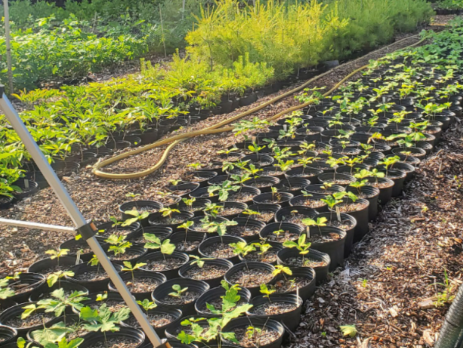
a row of potted sprouts in an experimental plot

Sourcing seeds to bolster Pennsylvania forest resiliency

Humans depend on forests for wood and other ecosystem services. In Pennsylvania, many forests suffer from insect infestations, diseases, invasive plants and climate impacts that have degraded their quality over time.   Many trees regenerate naturally, but planting trees will help to restore our forests. It’s seen as a valuable management strategy to bring the kind of species we want into [...]

Read more...

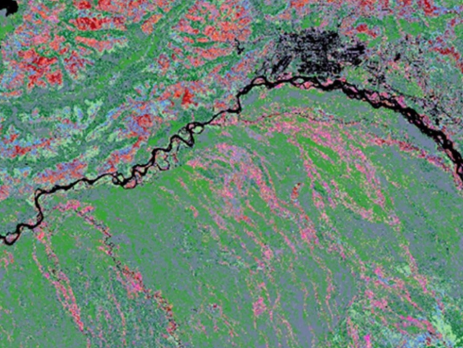
Using remote imaging to aid management decisions

Alaska’s 126 million acres of forested land provide critical ecosystem services that benefit local and global communities. With persistent warming, inconsistent participation, insect pests and intensifying wildfires, Alaska’s forests are facing serious threats to biodiversity as well as local communities and economies. University of Alaska Fairbanks researchers have developed processes that allow them to visually and spectrally observe changes in [...]

Read more...
two scientists take samples from a tree

Research guides management decisions to protect Guam’s native forests

Guam’s limestone forests are being overtaken by an invasive overstory tree called Vitex parviflora, known commonly as the molave tree. Native to the Philippines, Vitex is now the most common invasive tree species in Guam. Because this tree tends to form a monoculture, it competes with the native species that are needed to balance and sustain Guam’s ecosystems. Clearing the [...]

Read more...
a feral hog

Trapping training helps reduce feral hog population in Arkansas

Feral hogs cause extensive economic losses in agricultural economies and impact forests, wildlife habitat and the landscape. The U.S. Department of Agriculture estimates feral hogs cause $41.3 million in crop, pasture and livestock losses annually in Arkansas alone. To address feral hog populations, Arkansas Extension agents received training in net capture systems and installed eight systems to capture the hogs. [...]

Read more...
forest with wildlife

Forestlands are fundamental for healthy ecosystems

Forests are vulnerable to climate change, but when managed sustainably they can play an important role in mitigating climate change. Healthy trees provide oxygen by removing carbon dioxide from the air through photosynthesis. The carbon is stored in wood, plants and soil, helping to reduce carbon emissions. Land-grant universities are supplying research and outreach to improve our forestlands. Here are [...]

Read more...
a honeybee sits in the middle of a flower

Pollinators support agriculture profitability

Bees, flies, moths and other pollinators are essential to the environment. Pollinators improve the quality and quantity of farmers’ crop yields, which adds an estimated $18 billion in crop production revenue annually. Pollinators also support healthy ecosystems needed for clean air, stable soils and diverse wildlife. However, both wild and domesticated pollinators are at risk, most notably many wild [...]

Read more...
crops growing in a field

Creating new, sustainable products from agricultural waste and biomass

Petroleum and other nonrenewable materials are commonly used for plastics, industrial chemicals, pharmaceuticals, cosmetics and other products we use on a daily basis. But many of these products can be made from biomass, including food and agricultural wastes. Bioproducts offer a way to improve energy security, food security and national security while also cutting back on fossil fuel-related pollution [...]

Read more...
cut lumber

Addressing workforce needs for Indiana’s hardwood industries

The hardwood industry in Indiana contributes $17 billion in value-added to the Indiana economy. With 3 to 10 job openings in wood products manufacturing for every qualified applicant, the lack of skilled hardwood employees is a significant impediment to growth for companies and the sustainable management of woodlands. To address the need for a workforce able to solve issues related [...]

Read more...