Tag - Kansas State University

Institution

Healthy foods and exercise equipment.

Land-grant university research and Extension strengthen nutrition, health and well-being

Chronic diseases are the leading cause of illness, disability and death in America. Research and Extension are fighting back. Over half of adults who participated in a Texas diabetes education program now choose healthier foods, monitor glucose levels during exercise, and control their diabetes to avoid interference with daily life. These changes could help participants save up to $94,021 in [...]

Read more...
Vegetables for sale at a farmers market stand.

Research and Extension ensure everyone has ample access to affordable, safe, nutritious food

Invasive pests damage crops, costing U.S. agriculture an estimated $30 billion every year. Pest management research and Extension stabilize the food supply chain. Researchers and Extension specialists in Oregon, developed cost-effective alternatives to glyphosate for herbicide-resistant Russian thistle control, protecting more than 30,000 acres of wheat and preventing over $1 million in yield losses so far.Oregon State University Extension Service. [...]

Read more...
A river bisects a field and forested riparian area

Research and Extension support resilient ecosystems

Recent studies and programs are conserving and protecting water used for drinking, fishing, irrigation and recreation.  Washington research helped establish 25 anaerobic digesters across the Pacific Northwest, turning dairy manure from more than 143,000 cows into biogas that provides more than 126 million kilowatt-hours of renewable energy per year. Digesters decrease water quality risks associated with nutrient runoff from manure [...]

Read more...
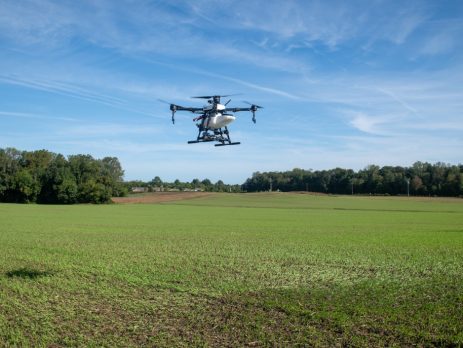
A drone flies over a field.

Research and Extension make agricultural systems more efficient, profitable, competitive and resilient

Strategies and tools for managing crop pests and diseases have increased productivity and profitability. For example: Extension units across the nation offer plant and pest diagnostic clinics. In New Mexico, free diagnoses saved producers an estimated $36,000 in testing fees in 2025, while also supporting biosecurity and export compliance. In Indiana, lab results and recommendations saved clients $890,000 in reduced [...]

Read more...
a woman paying bills

Improving financial literacy and well-being in adults

Adults in the U.S. often struggle with financial well-being. They face challenges including insufficient savings, debt struggles and confusion around changing tax codes. The Land-grant University System helps adults improve their financial literacy and stability. Here are a few examples of that work: In-person and virtual finance education programs in South Dakota taught fiscal management practices and consumer economics that helped [...]

Read more...
a woman helps a senior man on the computer

Free tax prep pays dividends

Paying taxes is a civic responsibility that funds essential public services. Unfortunately, many people face barriers to affordable, accurate tax preparation. Free tax assistance programs, such as the IRS-sponsored Volunteer Income Tax Assistance (VITA) and Tax Counseling for the Elderly (TCE), offer high-quality services to low-income earners, students, retirees, individuals with disabilities and limited English-speaking taxpayers.  In 2025, Kansas State [...]

Read more...
seniors doing chair exercises

Reducing fall risk and promoting independence

Falls and physical inactivity are critical public health concerns for older adults. National data indicate that only 21.6% of men and 17.6% of women aged 50–64 meet the recommended guidelines for aerobic and muscle-strengthening activities. This number decreases to just 9% among adults aged 65 and older. Insufficient activity leads to reduced muscle strength, balance and mobility, which in [...]

Read more...
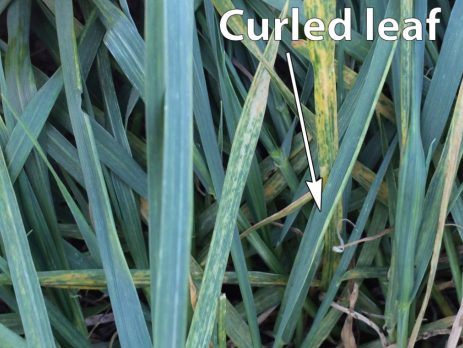
Symptoms of wheat streak mosaic include whitish to yellow streaking, which will usually be more pronounced toward the leaf tip. Note the curled leaf is where a colony of mites live.

Tackling wheat mosaic virus in Central, Western Kansas

A devastating outbreak of wheat mosaic virus hit Kansas in 2025, threatening the state’s multi-billion-dollar industry that produces 24% of the nation’s wheat crop. With potential yield losses exceeding 80% in infected fields, Kansas farmers and rural communities were faced with millions of dollars in losses. The disease is carried by a wind-born microscopic mite and cannot be controlled [...]

Read more...
three generations of farmers

Securing agriculture’s future through successful farm transitions

Kansas State Extension, University of Nebraska-Lincoln and Purdue University Extension in Indiana helped families ease the transition of farms to the next generation through a four-session educational series.  Keynote presentations were offered online addressing a wide spectrum of succession planning. From gaining a better understanding of family motivations and communications, to the complex financial and legal frameworks that govern farm [...]

Read more...
tractor driving through a field

First local food summit energizes Kansas communities

Many communities across the state of Kansas are working to improve their local food systems. However, these efforts often lack cooperation or coordination with other local food programs across the state. The Kansas Local Food Summit was the first event in the state to bring these many groups together.  Organized by the local food systems team at Kansas State University, [...]

Read more...
kids swimming in a natural body of water

Strengthening families through engaging programs

Research and Cooperative Extension professionals in the Land-grant University System are dedicated to developing innovative programs that impact diverse communities nationwide. This work helps improve the lives of youths and families by connecting them with educational resources and engaging opportunities. Here are a few examples of that work: In Oklahoma, the Co-Parenting for Resilience program is helping parents effectively cope with [...]

Read more...
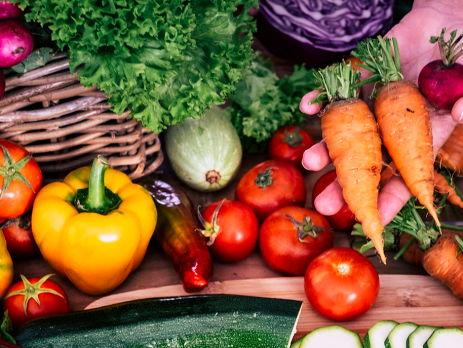
A hand holds carrots and a beet among a spread of other vegetables.

Getting more local, fresh produce into communities

Although fresh fruits and vegetables are key to health, difficulties abound in obtaining local produce. Land-grant institutions across the country work in a number of ways to promote growing produce as well as marketing and buying it locally. Here are a few examples of that work: In Georgia, the Fresh on DeK Mobile Farmers Market targets communities without access to a [...]

Read more...
aerial view of a combine harvester

Assessing effects of international conflict on U.S. ag markets

International conflicts, like the war in Ukraine, can greatly affect agricultural markets in the United States. To help producers better plan for these impacts, economists at Kansas State University began a monthly series of webinars to provide real-time analysis and education. Market impacts included grain and livestock fluctuations, interest rate hikes, fuel and fertilizer cost increases and availability as well [...]

Read more...
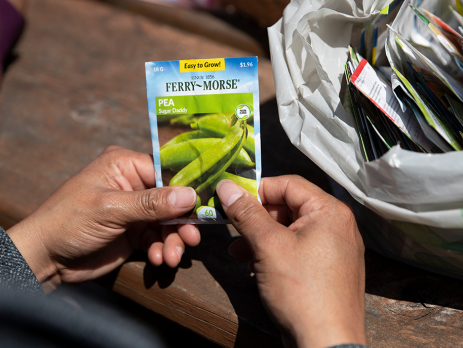
closeup of hands holding a pea seed packet. there is a bag of seed packets in the background.

Community gardens increase food security and community well-being

Based on the 2023 National Gardening Survey, 80% of American households participated in a gardening project in 2022. Through Extension trainings, seed libraries and gardening kits and the efforts of Extension Master Gardener volunteers, land-grant universities are increasing access to gardens, improving community well-being, and helping individuals learn to grow their own food. Here are a few examples of that [...]

Read more...
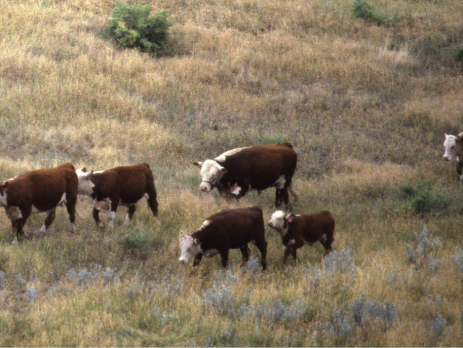
cattle walking through a field

Rapid response to animal and food safety and security threats

When disasters happen, land-grant universities are partners with local communities in sharing resources and information, providing training, offering testing and technical assistance and collaborating on future research. Timely and coordinated response efforts support local communities and producers and ensure access to a safe food supply. Here are a few examples of that work: Extension educators in Oregon responded quickly to coordinate [...]

Read more...
a closeup of hands examining wheat

Strong farms strengthen local food systems

New farmers just starting out and established farmers looking to expand markets have something in common: looking to the Land-grant University System to support their growth. Strong local farms strengthen local food systems and food security. Here are a few examples of this work: When participant surveys indicated a need for more in-depth and hands-on farmer education, Idaho Extension educators responded [...]

Read more...
biodiesel fuel pump

Sustainable energy to meet growing demands

Non-renewable energy sources are limited, and demand is growing. Fossil-fuel based energy production and use contribute significantly to pollution and changes in our climate. Improving energy efficiency and developing renewable energy sources is essential to meeting growing demand and can lower energy bills, create new jobs and promote rural prosperity. Reducing reliance on fossil fuels can improve national security [...]

Read more...
a rainbow shines through sprinkler mist on a field

Protecting our water

Water continues to be one of the most critical challenges facing agriculture and communities. Land-grant universities are working to discover new ways to increase water efficiency, reduce water use and protect water quality. Here are a few examples of that work: Researchers in Ohio are working to improve soil health and water quality through best agricultural management practices to prevent non-point-source [...]

Read more...
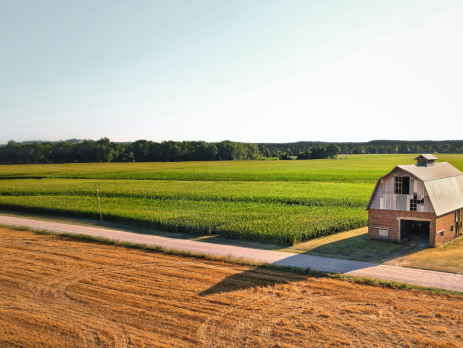
a barn in kansas on sprawling field

Taking the mystery out of land leasing in Kansas

U.S. Census data reflect that half of Kansas farm and range land is operated on a leased basis. Much of the land is owned by widows and non-farming children who are often absentee. The success of leasing agreements is key to supporting healthy agriculture and rural communities in the state. Extension educators from Kansas State University, University of Nebraska-Lincoln and [...]

Read more...