
Tag - Extension

Mission Area

two people look at a financial document

Wisconsin farmer focus group program aims to improve profitability

Following record-high farm income in 2022, Wisconsin farmers in 2023 saw rising interest expenses, increasing debt and reduced working capital due to lower-than-expected commodity prices. To make sound, strategic financial decisions, the University of Wisconsin Extension partnered with 12 agricultural associations and community organizations, including the Wisconsin Farm Bureau, to implement focus group discussions with more than 120 participants. The [...]

Read more...
closeup photograph of pile of strawberries

Breeding crops tailored for the future

Food crops are constantly under attack by plant diseases and pests that result in losses in crop quantity and quality. Declines in crop health can lead to food waste and threaten global food security. Land-grant universities are breeding plants that are resistant to pests and disease for greater resilience and sustainability. Here are a few examples of that work: Researchers in [...]

Read more...
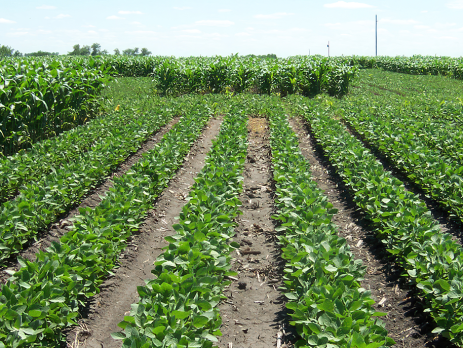
field with rows of crops

Healthy soils sustain food security

Researchers at the nation’s land-grant universities are studying the health of soils to increase agricultural production and decrease the use of agrochemicals used to grow food. Their work will contribute to our ability to meet the world’s growing demand for food. Here are a few examples of that work: Agricultural researchers in Pennsylvania are studying how soil salinity and soil nitrogen [...]

Read more...
pesticides for spotted lanternflies

Bilingual Spray Safe, Spray Well recordings provide permanent resource for pesticide safety

Beginning organic growers, urban farmers and Spanish-speaking vegetable producers have been historically underserved by traditional cooperative Extension efforts to support agricultural risk management, especially related to safe and effective pesticide use. Production systems commonly used by beginning organic growers and urban farmers are often smaller, more intensive and less dependent on chemical control strategies for pest management than larger [...]

Read more...
soybean crop

New online tool facilitates information sharing for North Carolina farmers

North Carolina State Extension agents have their fingers on the pulse of statewide crop performance and emerging problems, often spotting regional patterns that are valuable to the industry. Getting that knowledge summarized for public consumption in a timely manner can be a challenge. NC State Extension recently released an online visual mapping tool to capture and share in-season crop problems [...]

Read more...
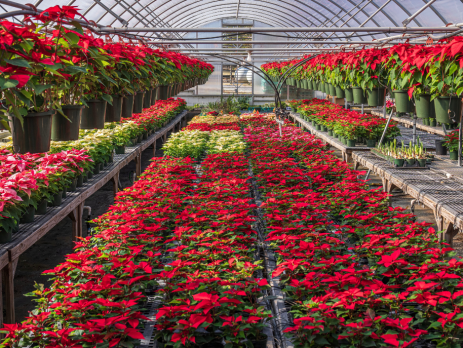
Poinsettias in a greenhouse

Plant diagnostics saves Florida poinsettia producers

The University of Florida Institute of Food and Agricultural Sciences helped save a grower $350,000 crop thanks to a weekly plant diagnostic clinic. In 2019, a new commercial grower came to the free weekly plant clinic for the second time. Just five weeks away from delivering 28,000 poinsettias to retail customers, it was initially thought the crop suffered from a [...]

Read more...
an Alaskan lake surrounded by native and invasive plant species

Alaskans root out invasive bugs and weeds

Invasive weeds and insects can lower land values and farm productivity and interfere with recreation, tourism and foraging. Improving the ability of residents, farmers and land managers to assess pest management practices is critical to protecting the Alaska way of life. To get residents involved in controlling invasive pests, the University of Alaska Fairbanks Cooperative Extension Service provided education about [...]

Read more...
a person checking on lettuce crop

Flexible training for new vegetable farmers in Connecticut

In Connecticut, new and beginning vegetable farmers are frequently first-generation farmers who also juggle off-farm jobs. These farmers need flexible training and support to build a thriving business that remains economically viable. To support these farmers, UConn Extension has developed an online, asynchronous vegetable production certificate course for farmers who have less than three years of experience growing vegetables. Participants [...]

Read more...
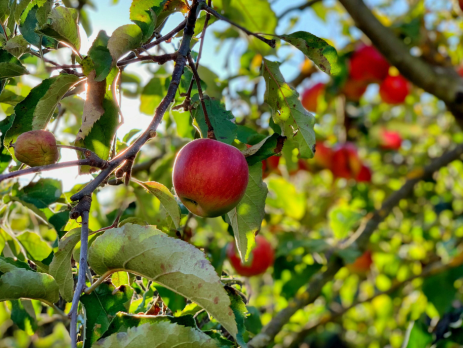
apple tree

Smaller trees produce larger yield

North Carolina ranks seventh in the nation in apple production with nearly 4 million bushels of apples — more than 150 million pounds — produced each year. The majority of these apples are used in the processing industry and turned into food items like applesauce, baby food, juice and other packaged products. Extension specialists at North Carolina State University are [...]

Read more...
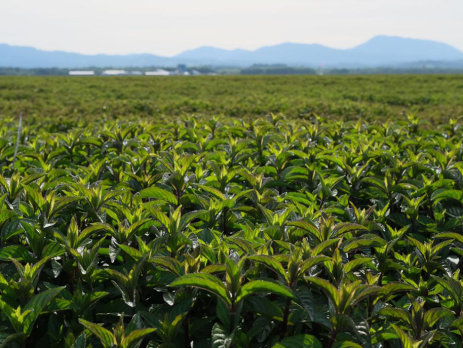
mint field in Oregon with mountain range in the background

Informing mint growers to reduce pesticide harm

The Oregon mint production industry had an estimated $28.7 million value in 2022. Losses from pests like mint root borer and variegated cutworm can eat into farmers’ profits, but the pesticide traditionally used to control these pests was phased out for use in food crops by the U.S. Environmental Protection Agency in 2022. Farmers now must use a newer [...]

Read more...
a farmer standing in a corn field

Indiana farmers improve technical knowledge through revived Purdue on-farm visit program

After two years of COVID-19 procedures and protocol, Purdue Extension’s connections with Indiana farmers were limited as virtual experiences replaced in-person activities. In response, Purdue Extension developed “Purdue On The Farm” to re-connect and increase direct contact between Purdue Extension educators and Indiana farmers to build and enhance relationships, understand perception and practices and generate data to underpin recommendations. Purdue on [...]

Read more...
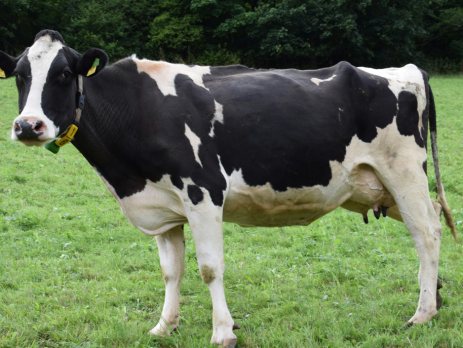
dairy cow with a tracker collar

Virtual fencing to restore burned rangeland

New Mexico State University Cooperative Extension is exploring virtual fencing technology. The project is in response to flooding that destroyed hundreds of miles of fences in the Black Fire in 2022. More than 325,000 acres of forest and rangelands in the southern portion of the of the Gild National Forest were burned as well as the forage base. With virtual [...]

Read more...
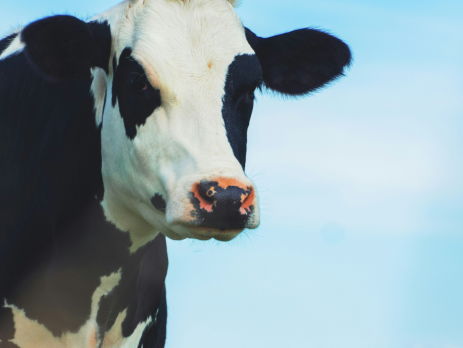
dairy cow against a blue sky

Extension helps South Dakota dairies boost health, production and profits

South Dakota is among the 16 leading dairy states in the United States, contributing 13% of U.S. milk production. The dairy industry in South Dakota has more than doubled the number of milk cows since its historic low in 2004. This increase in milk cows in South Dakota and the surrounding region creates a unique opportunity to produce high [...]

Read more...
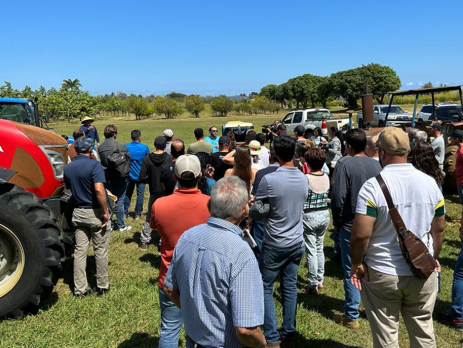
a group of farmers attend an outdoor educational workshop

Seed initiative reflects role of beans in Puerto Rico culinary heritage and agriculture

Beans stand as a cornerstone within the vibrant tapestry of Puerto Rican creole cuisine. According to the U.S. Department of Agriculture, 242 farms dedicated their land to cultivating dry, green and tender beans in 2017, generating an importation value of $15.2 million. Local bean varieties in Puerto Rico offer a host of advantages crucial for both farmers and consumers. [...]

Read more...
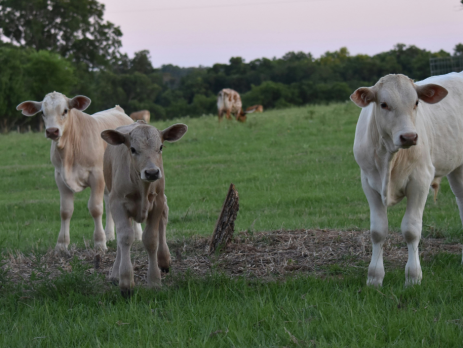
small texas cows

Historically underserved south Texas small-acreage farmers benefit from Extension trainings

In 2019, the Texas Community Futures Forum identified critical issues in three Rio Grande Valley counties: sustainable business models for small farms, increasing small-acreage gardens and job creation. Cameron, Hidalgo and Willacy counties have a combined agricultural market value of $214.45 million. Small-scale producers contribute to this total market value, but actual figures are unknown. Small-acreage farms – under [...]

Read more...
black woman farmer examines a squash plant

BIPOC farmers lead by example

Black, Indigenous and other people of color in farming often lack opportunities and face barriers to institutional resources typically available to White farmers. Approximately 96% of U.S. farmers are White. Farmers of color may be unaware of assistance available from government agencies and other organizations. To connect farmers of color with state and federal expertise and funding to help conserve [...]

Read more...
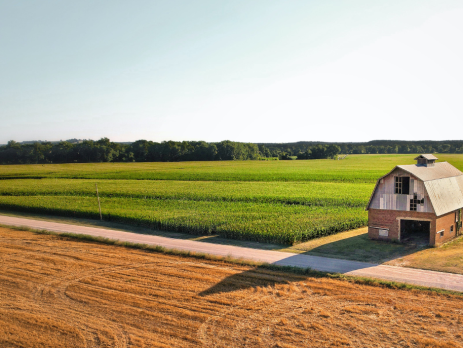
a barn in kansas on sprawling field

Taking the mystery out of land leasing in Kansas

U.S. Census data reflect that half of Kansas farm and range land is operated on a leased basis. Much of the land is owned by widows and non-farming children who are often absentee. The success of leasing agreements is key to supporting healthy agriculture and rural communities in the state. Extension educators from Kansas State University, University of Nebraska-Lincoln and [...]

Read more...
two woman farmers holding chickens

Southern Women in Agriculture Workshops build confidence among female livestock producers

Animal agriculture, specifically cattle production, is a male-dominated industry. According to statistics from a 2014 U.S. Bureau of Labor Statistics report, 76% of those who identified as farmers or ranchers were male. In response to this disparity, female agricultural agents from University of Georgia Extension collaborated to develop Southern Women in Agriculture Workshops in 2016. The workshops were discontinued in [...]

Read more...
a young man riding a horse

Interactive tool teaches youth, adults horse safety

An interactive module is teaching both youths and adults safety practices when working with horses. The New Mexico State University Innovative Media and Research Extension team has developed a web-based interactive module available for computers or tablets as well as formal classroom settings to effectively teach proper how-to techniques to safely catch, halter and release a horse in a [...]

Read more...
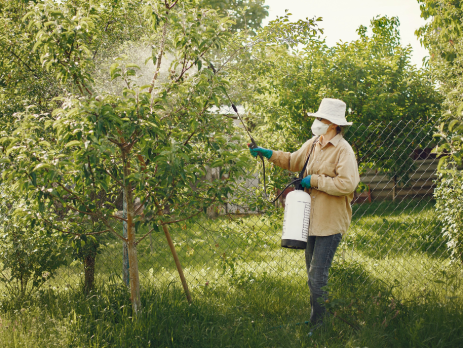
a woman wearing PPE sprays pesticides on a tree

Proper clothes laundering lowers pesticide risk

Without proper safety precautions, pesticides may harm people. Farmers and others may become exposed to pesticides from residue on work clothing. In a survey of pesticide applicators conducted by University of Minnesota Extension, only 15% of applicators said they follow pesticide labels for clothing selection. Because 45% of respondents had someone else wash their contaminated clothing, those family members may [...]

Read more...
closeup shot of turfgrass on a soccer field

Strengthening, beautifying turfgrass on the pitch

Natural grass is used in 70% of all soccer stadiums and practice fields in Mexico. However, turfgrass managers lacked professional, research-based support for managing these fields. University of Georgia Cooperative Extension was invited to help develop a certification system that trained more than 200 turfgrass professionals in Mexico’s premier soccer leagues — Liga MX, the top professional men’s soccer division, [...]

Read more...
pigs

Extension improves biosecurity practices for livestock producers

Biosecurity affects the economic sustainability and viability of livestock producers as disease outbreaks can be exceedingly expensive for producers. Disease outbreaks can cause catastrophic livestock losses including the depopulation of whole herds or loss of newborn animals. For example, the 2013 porcine epidemic diarrhea virus spread across 13 states in less than two months and resulted in the death [...]

Read more...