Understanding and identifying solutions for weather impacts on agriculture
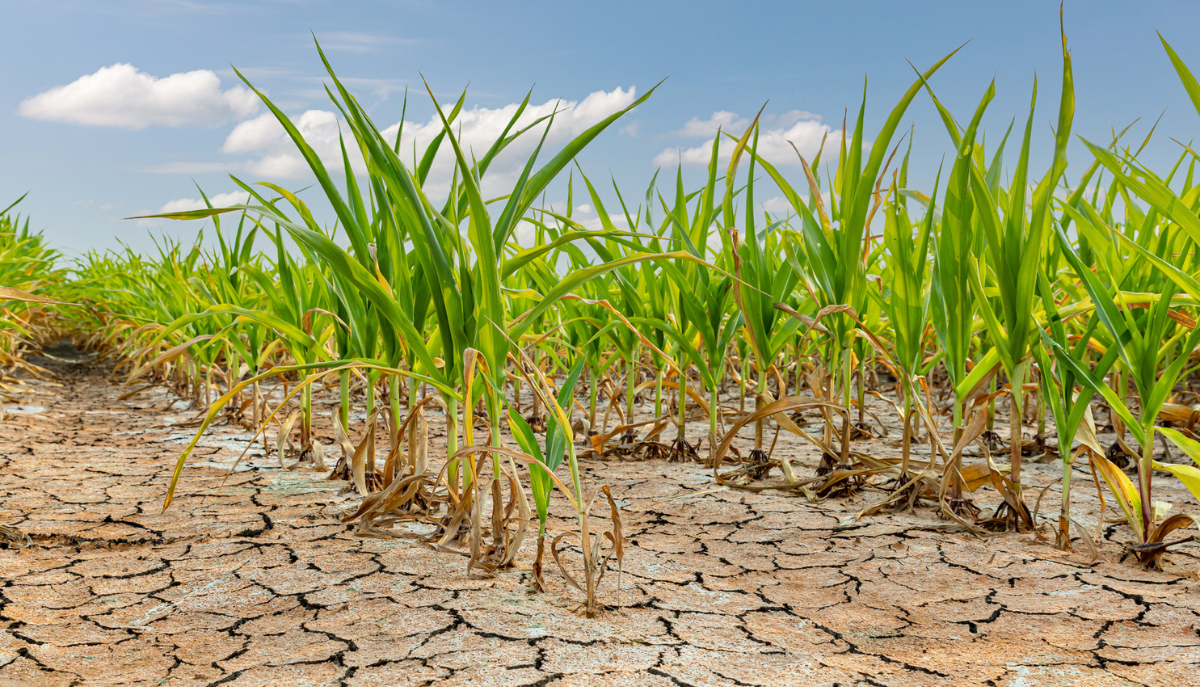
Drought, severe weather and wildfires can have significant economic impacts on agriculture. Research and educational programming by land-grant universities helps us understand these effects and strengthen resilience.
Here are a few examples of that work:
- Red clover, a commonly used forage crop in the northeastern U.S., increases its phytoestrogen levels under drought conditions, potentially affecting livestock reproductive health. The economic impact is significant, as difficulty in cattle pregnancies costs U.S. dairy farms up to $484 million annually. Researchers in New Hampshire examined red clover and kura clover under simulated drought and flooding conditions. The findings suggest kura clover as a promising alternative forage crop for dairy farmers, offering resilience to both drought and flooding.
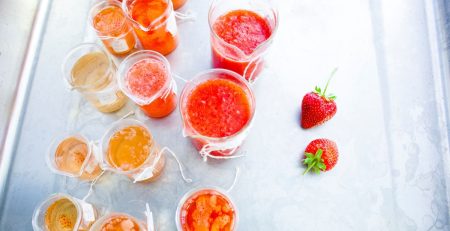
New Hampshire Agricultural Experiment Station; Hatch, Other USDA competitive. See full statement. - The wine industry in Washington has experienced negative effects from wildfire smoke exposure with significant losses for both vineyards and wineries. Grape-to-glass research is ongoing to investigate how smoke exposure affects grape and wine quality.
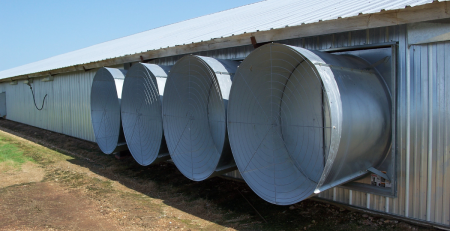
Washington Agricultural Experiment Station; Other USDA capacity – research, private grants & contracts. See full statement. - Broiler production is the largest agricultural commodity in both Mississippi and Alabama. A recent study assessed the energy efficiency of broiler houses, developing a field instrumentation system supported by a weather station to monitor indoor and outdoor environmental conditions. Another study surveyed grounding systems in 96 broiler houses and recommended better strategies for protection against electrical surges during severe weather. Research-informed measures allow poultry producers to increase the efficiency, resiliency, and safety of their broiler houses. The recommended measures also benefit integrators and insurers by reducing damage-related costs and stabilizing premiums.
Mississippi Agricultural & Forestry Experiment Station; Hatch Multistate, State appropriations. See full statement. - Using satellite images and data loggers, researchers in North Carolina investigated gloomy scale insects on the red maple and compared trees on blocks that differ in temperature. They discovered that an increase of 2 degrees Fahrenheit in temperature increases the gloomy scale population by 300 times.
North Carolina Agricultural Research Service; State appropriations, Hatch. See full statement. - The Delmarva Peninsula, which includes Delaware, Maryland and Virginia, is home to 1,350 broiler growers that produce approximately 525 million broiler chickens each year. Poultry growers are challenged to manage bird comfort during seasonal temperature changes and extremes. About 150 poultry growers attended Extension programs designed to help manage extreme heat and cold and minimizing mortalities.
University of Delaware Cooperative Extension; state appropriations, Smith-Lever. See full statement.
Implementing a statewide drought plan
As drought conditions intensify, Colorado producers face substantial challenges, including reduced water availability and increased stress on crops and livestock. Extension collaborated to establish the Drought Advisors network in 2021 to enhance drought preparation and response among producers with a focus on three primary goals: connecting producers with technical experts to develop tailored drought plans; building a robust network to strengthen drought resilience; and improving access to planning resources through training sessions, comprehensive materials and personalized consultations. Eighteen producers have finalized drought plans, with an additional 26 plans in progress for 2024.
Colorado State University Extension; Other USDA capacity – Extension. View full statement.