Extension programs help producers, communities manage pests sustainably
Agricultural land and natural ecosystems face growing threats from invasive and noxious grasses and weeds, feral animals, pests and diseases that impair ecosystem services and agricultural productivity. Chemical pesticides can pose human and environmental health risks. Extension educators at land-grant universities help agricultural producers and communities develop and implement pest management strategies that are cost-effective but also minimize risks.
Here are a few examples of that work:
- In eastern Oregon, invasive grasses increase risk of wildfires, which devastate rangelands essential to local cattle industries. Extension professionals partnered with the U.S. Bureau of Land Management and others (including Boise State University and the University of Idaho) to develop a strategy that extends the cattle grazing season so cattle can graze invasive grasses. Over eight years, extended grazing has removed over 6,500 tons of invasive grasses, reducing potential wildfire fuel and saving ranchers approximately $313,000 in feed costs.
Oregon State University Extension Service; State Appropriations; Other USDA Competitive. See full statement. - The RIPPLE program in Michigan is an invasive species program that addresses the movement and sale of non-native organisms in the pet and garden trade. RIPPLE helped prevent the release of invasive species by rehoming unwanted aquatic organisms. The program’s award-winning outreach materials and events have set RIPPLE up as a trusted source of information.
Michigan State University Extension; Smith-Lever (3b&c), Non-Profit Grants & Contracts. See full statement. - In Alaska, Extension professionals created a predictive model and maps showing the locations of beetle-killed spruce trees and provided tools to respond to outbreaks. Managing the spread of beetle kill reduces fire risk and protects other ecosystem services.
University of Alaska Fairbanks Cooperative Extension Service; Hatch, McIntire-Stennis. See full statement. - Participants in an educational initiative in Wyoming have a heightened understanding of the critical importance of treating invasive grasses and clearer guidance on herbicide treatment timing.
University of Wyoming Extension; Smith-Lever (3b&c). See full statement. - In California, a training equipped participants with skills to implement effective management strategies for identifying and preventing the spread of the goldspotted oak borer pest. Its impact was immediate and measurable. Within two months of the session, staff reported two new suspected infestations in previously unknown locations. They promptly initiated best management practices in coordination with local and federal agencies and established a solid foundation for strategic interventions.
University of California Cooperative Extension; State Appropriations, Smith-Lever (3b&c). See full statement. - Extension professionals in Mississippi provided IPM training to pest control personnel, emphasizing safe and effective mosquito control methods. This reduced reliance on and exposure to pesticides in communities.
Mississippi State University Extension Service; Smith-Lever (3b&c). See full statement. - An Extension program in New York has recruited and trained over 2,480 volunteers to provide localized data on deer damage to vegetation and forest regeneration. Each year, participants include hundreds of landowners who are trained to take appropriate management actions on their properties.
Cornell Cooperative Extension; Smith-Lever (3b&c). See full statements: forest regeneration and invasive species. - In Vermont, a range of Extension programs and services help growers, gardeners and communities manage pests. Growers who adopted recommended IPM strategies following pest and disease diagnoses from the Plant Diagnostic Clinic were able to reduce pesticide use, saving up to $600 each annually. Clients who adopted IPM strategies recommended by the Master Gardener Helpline reduced pesticide use, saving up to $137 on average per year. In other educational programs, hops and hemp growers learned to identify pests and implement IPM strategies and citizen volunteers were trained be on the front line of defense to help control the spread of several invasive forest pests, including spotted lanternfly. Extension professionals also created VTinvasives.org, which provides a centralized hub for invasive species management and is a critical resource for citizens, land managers and government agencies. Since 2017, the website has served over 300,000 unique users. The first detection in Vermont of the emerald ash borer was submitted through the reporting system, alerting all state agencies to coordinate a rapid response.
University of Vermont Extension; Other USDA Competitive, Smith-Lever (3b&c), State Appropriations, Non-Profit Grants & Contracts. See full statements: IPM programs, Forest Pest First Detector, spotted lanternfly scouts and VTInvasives.
Applying pesticides safely benefits applicators and environment
Extension programs provide essential training for pesticide applicators on safe, precise and effective practices. This helps applicators protect themselves and adhere to rigorous standards that minimize pesticide use and environmental contamination. These trainings are an important part of applicators obtaining and retaining their certifications. In Nevada, these trainings have substantially reduced pesticide residues detected across the state. In Wyoming, pesticide applicator education program success is evident in the absence of adverse incidents reported to the Wyoming Department of Agriculture during the past 12 months.
University of Nevada Cooperative Extension; Other USDA Capacity – Extension. See full statement. University of Wyoming Extension; Smith-Lever (3b&c). See full statement.
Eradicating feral hog and mitigating damage
Feral hogs are one of the most destructive and dangerous invasive species in the United States, causing billions of dollars of damage to agricultural operations and private property every year. They also cause extensive ecosystem damage, spread rapidly and carry diseases that can be transmitted to livestock, wildlife and pets. In Missouri, a collaborative effort provided free equipment and support to help landowners eradicate feral hogs and remediate damage. These efforts have resulted in a 60% decrease in the number of watersheds occupied by feral swine. Estimates of feral swine abundance statewide have decreased by approximately 20% since 2016. In Texas, Extension programs reached more than 2,000 landowners in 2023, helping them protect their property from feral hogs. This programing’s economic impact is $870,000 across Texas.
University of Missouri Extension; Smith-Lever (3b&c), Other USDA Capacity – Extension. See full statement. Texas A&M AgriLife Extension; AFRI. See full statement.
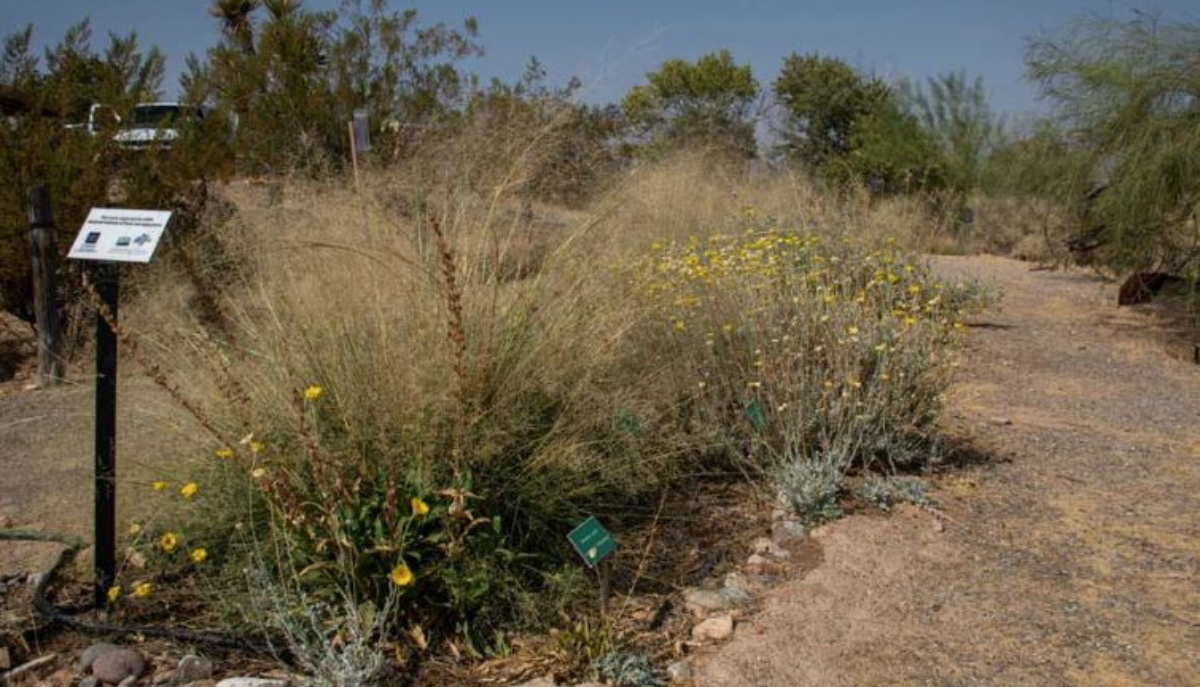
Photo courtesy of University of Nevada Cooperative Extension.