Community gardens increase food security and community well-being
Based on the 2023 National Gardening Survey, 80% of American households participated in a gardening project in 2022. Through Extension trainings, seed libraries and gardening kits and the efforts of Extension Master Gardener volunteers, land-grant universities are increasing access to gardens, improving community well-being, and helping individuals learn to grow their own food.
Here are a few examples of that work:
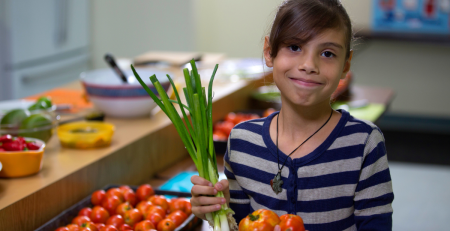
- In Michigan, Extension partnered to compile and distribute container garden kits to support healthy food access for new refugee families. The kit included options to select culturally relevant plants and translated instructions on how to use and care for the plants.
Michigan State University; project supported by Smith-Lever (3b&c) funds. See full statement. - In Colorado, the Grow & Give program helps gardeners learn how to grow fruits and vegetables with an emphasis on growing extra to give locally. Participants have donated more than 175,000 pounds of produce.
Colorado State University; project supported by state appropriations. See full statement. - Master Gardener volunteers in North Carolina started and supported seed libraries, distributing more than 20,000 seeds.
North Carolina State University; project supported by Smith-Lever 3d funds. See full statement. - In Missouri, 173 schools and community gardens act as hands-on laboratories and nutrition education sites, reducing food insecurity by growing produce to give to community members, school food services and food pantries.
University of Missouri. See full statement. - An urban garden in Georgia now provides fresh fruits and vegetables to support residents at a local resource center. In one growing season, over 3,000 pounds of produce were harvested at an estimated 3-month food cost savings of $10,000.
University of Georgia; project supported by Smith-Lever (3b&c) funds. See full statement. - Monthly garden hour webinars in Kansas reached over 13,794 total participants, and 62%of participants reported improved nutrition by having improved access and availability to fresh produce because of the series.
Kansas State University; project supported by Smith-Lever (3b&c) funds. See full statement. - Montana has more than 225 Master Gardeners who provide technical assistance and education on topics including vegetable gardening, landscaping, pollinator conservation, and tree care.
Montana State University; project supported by Smith-Lever (3b&c) and fee-based funds. See full statement. - In South Dakota, an annual conference and virtual series supported the training needs of local Master Gardeners, with a total of 4,529 continuing education hours reported in 2023.
South Dakota State University; project supported by Smith-Lever (3b&c) funds. See full statement. - West Virginia’s Master Gardeners serve communities around the state by learning how to better grow fruits and vegetables and then share their produce and knowledge with others locally. The value of their volunteer hours is more than a half-million dollars.
West Virginia University; project supported by Smith-Lever (3b&c) funds. See full statement.
Pottawatomie County Tribal gardening partnership
In Oklahoma, a partnership with the Absentee Shawnee Tribe fostered agricultural education and empowerment through a six-part gardening workshop series. Building on the knowledge gained, the Tribe provided 67 raised-bed gardens and 38 in-ground garden plots for the community. They also provided seeds and 4,200 transplants to support growers. The workshops incorporated Tribal history and insights to ensure a meaningful and culturally sensitive engagement.
Oklahoma State University; project supported by USDA Capacity-Extension funds and private grants. See full statement.
Photo courtesy Amanda Loman, Oregon State University.