Tag - Michigan

State/Territory

a group of scientists planting experimental crops

Reaching diverse farms and farmers

Extension educators and researchers across the Land-grant University System reach diverse farmers and farms through programming, information and accessible tools. Their work ensures farming resources are available to all individuals. Here are a few examples of that work: Minnesota Extension launched a pilot project to bring Minnesota-grown goat meat to halal customers. The collaboration has resulted in the first halal certified [...]
Read more...
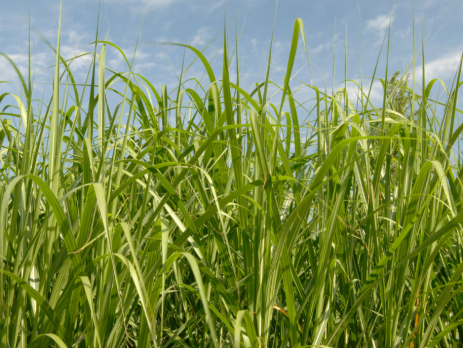
crops growing in a field

Creating new, sustainable products from agricultural waste and biomass

Petroleum and other nonrenewable materials are commonly used for plastics, industrial chemicals, pharmaceuticals, cosmetics and other products we use on a daily basis. But many of these products can be made from biomass, including food and agricultural wastes. Bioproducts offer a way to improve energy security, food security and national security while also cutting back on fossil fuel-related pollution [...]

Read more...
a Michigan lake with plants growing on the water and around the shore

Online course increases lake literacy and protects Michigan’s waterways

Michigan’s 11,000 inland lakes are complex ecosystems, and communities often struggle to protect and manage them in a way that incorporates the best available knowledge and resources. To increase lake literacy and create peer and resource connections to help property owners, community leaders and concerned citizens address management concerns, Michigan State University Extension educators created an Introduction to Lakes Online [...]

Read more...
sweet potato root galls

Land-grant universities nationwide work together to sustainably manage nematodes

Nematodes are tiny, usually microscopic, roundworms that are incredibly common and widespread. They account for 80% of all individual animals on Earth. Some nematode species are beneficial to agriculture, while others have major detrimental impacts. Plant-parasitic nematodes can lead to poor soil and low crop yields. In the United States, annual economic losses due to nematode infection of crops [...]

Read more...
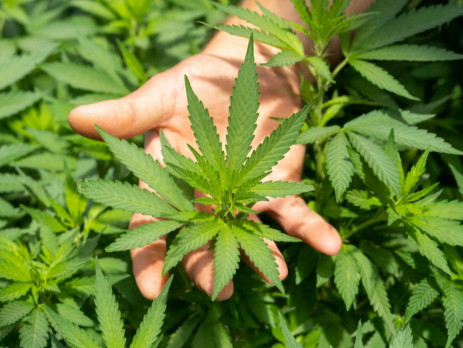
a hand holding a hemp plant

Crowdsourced data impact industrial hemp operations

In 2018, domestic hemp production became legal in the United States for the first time in nearly 70 years. Industrial hemp can be grown to produce fiber, grain and cannabinoids. Some cannabinoids (CBD and CBG, for example) determine profitability potential, while one cannabinoid (THC) determines compliance. Growers must grow hemp crops which test below 0.3% THC to be compliant [...]

Read more...