Tag - Economic Development

Topic

aerial view of a combine harvester

Assessing effects of international conflict on U.S. ag markets

International conflicts, like the war in Ukraine, can greatly affect agricultural markets in the United States. To help producers better plan for these impacts, economists at Kansas State University began a monthly series of webinars to provide real-time analysis and education. Market impacts included grain and livestock fluctuations, interest rate hikes, fuel and fertilizer cost increases and availability as well [...]

Read more...
man cooking in an industrial kitchen

Licensed kitchen requirements made easy by South Dakota Extension

Before food entrepreneurs can sell products to retailers, they often must have them tested or evaluated in a licensed kitchen. However, finding one or figuring out how to create one can be difficult for those trying to bring new products to market. To assist those new to the business, South Dakota University food safety specialists put together easy-to-follow information [...]

Read more...
a closeup of hands examining wheat

Strong farms strengthen local food systems

New farmers just starting out and established farmers looking to expand markets have something in common: looking to the Land-grant University System to support their growth. Strong local farms strengthen local food systems and food security. Here are a few examples of this work: When participant surveys indicated a need for more in-depth and hands-on farmer education, Idaho Extension educators responded [...]

Read more...
cut lumber

Addressing workforce needs for Indiana’s hardwood industries

The hardwood industry in Indiana contributes $17 billion in value-added to the Indiana economy. With 3 to 10 job openings in wood products manufacturing for every qualified applicant, the lack of skilled hardwood employees is a significant impediment to growth for companies and the sustainable management of woodlands. To address the need for a workforce able to solve issues related [...]

Read more...
brown chicken

Georgia researchers apply AI to track cage-free hens’ pecking behavior, welfare

Researchers at the University of Georgia Agricultural Experiment Station have used an artificial intelligence learning-based imaging system for automatically monitoring chicken pecking behavior. Severe pecking has been estimated to occur in 40% to 50% of cage-free flocks and is one of the primary reasons for increased mortality. Chicken mortality is doubled in cage-free systems compared to conventional caged systems. Egg [...]

Read more...
two people look at a financial document

Wisconsin farmer focus group program aims to improve profitability

Following record-high farm income in 2022, Wisconsin farmers in 2023 saw rising interest expenses, increasing debt and reduced working capital due to lower-than-expected commodity prices. To make sound, strategic financial decisions, the University of Wisconsin Extension partnered with 12 agricultural associations and community organizations, including the Wisconsin Farm Bureau, to implement focus group discussions with more than 120 participants. The [...]

Read more...
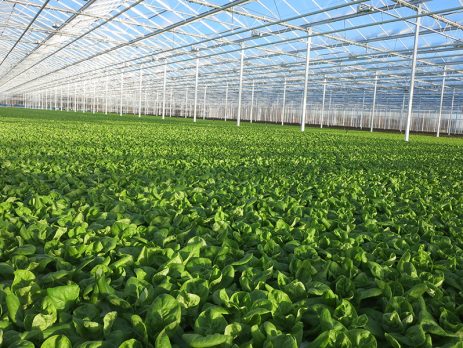
plants growing in a greenhouse

Extension on-site visits, conference support Connecticut greenhouse industry

Greenhouses in Connecticut represent a significant portion of the state’s $4.7 billion agricultural economy and are integral to the success of all agricultural businesses, according to a 2021 study by Farm Credit East. The total economic impact of the 583 greenhouse businesses in the state was $390 million in 2020. With support from the U.S. Department of Agriculture National [...]

Read more...
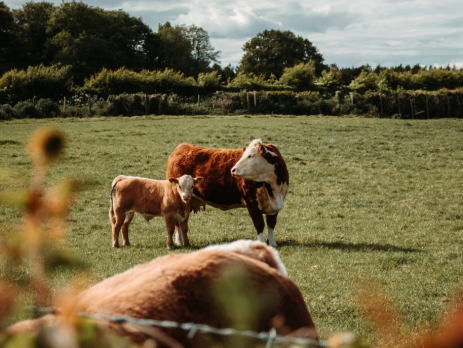
beef cattle in a field

Texas’ beef cattle short course, considered largest in the nation, provides education to thousands

Beef cattle production in Texas is a $9 billion industry, representing 50% of the value of all agricultural commodities. Beef cattle producers in Texas operate in widely diverse production environments across a large geographic region. Texas producers desire timely information that is relative to their specific production settings and in a forum where subject matter experts can answer questions. The [...]

Read more...
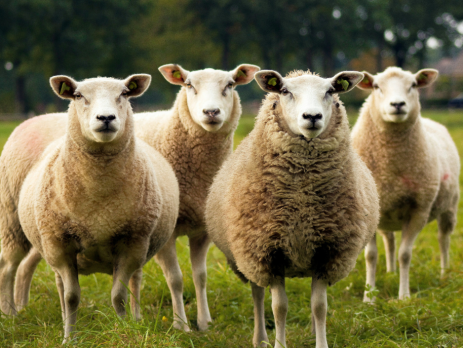
sheep in a field

Sheep producers in Texas and beyond empowered by knowledge gained at shearing school

Wool sheep require annual or biannual shearing to maintain proper health and productivity. Prior to 2016, Texas did not have any formal schools or trainings to develop sheep shearing professionals, forcing sheep farmers and ranchers to quit the sheep industry or switch to sheep that don’t require shearing. The first Texas A&M AgriLife Sheep Shearing School was held in January [...]

Read more...
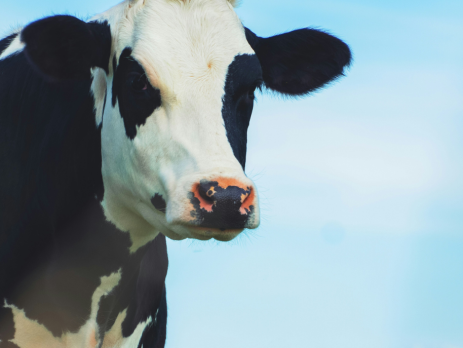
dairy cow against a blue sky

Extension helps South Dakota dairies boost health, production and profits

South Dakota is among the 16 leading dairy states in the United States, contributing 13% of U.S. milk production. The dairy industry in South Dakota has more than doubled the number of milk cows since its historic low in 2004. This increase in milk cows in South Dakota and the surrounding region creates a unique opportunity to produce high [...]

Read more...
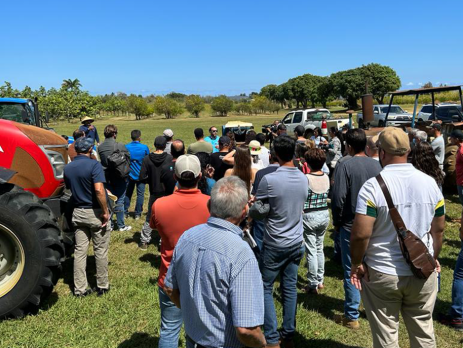
a group of farmers attend an outdoor educational workshop

Seed initiative reflects role of beans in Puerto Rico culinary heritage and agriculture

Beans stand as a cornerstone within the vibrant tapestry of Puerto Rican creole cuisine. According to the U.S. Department of Agriculture, 242 farms dedicated their land to cultivating dry, green and tender beans in 2017, generating an importation value of $15.2 million. Local bean varieties in Puerto Rico offer a host of advantages crucial for both farmers and consumers. [...]

Read more...
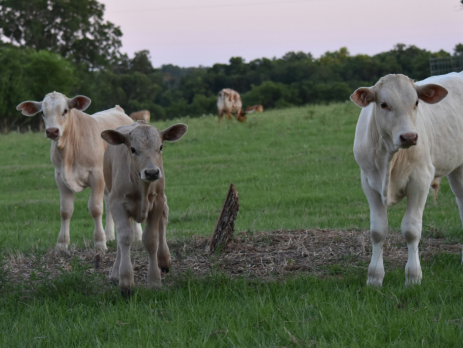
small texas cows

Historically underserved south Texas small-acreage farmers benefit from Extension trainings

In 2019, the Texas Community Futures Forum identified critical issues in three Rio Grande Valley counties: sustainable business models for small farms, increasing small-acreage gardens and job creation. Cameron, Hidalgo and Willacy counties have a combined agricultural market value of $214.45 million. Small-scale producers contribute to this total market value, but actual figures are unknown. Small-acreage farms – under [...]

Read more...
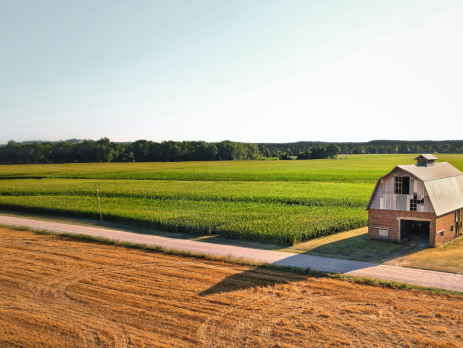
a barn in kansas on sprawling field

Taking the mystery out of land leasing in Kansas

U.S. Census data reflect that half of Kansas farm and range land is operated on a leased basis. Much of the land is owned by widows and non-farming children who are often absentee. The success of leasing agreements is key to supporting healthy agriculture and rural communities in the state. Extension educators from Kansas State University, University of Nebraska-Lincoln and [...]

Read more...