Private land stewardship protects environment and communities
Practicing good stewardship of private lands is important for the health of our ecosystems and communities. Researchers, Extension professionals and educators at land-grant universities across the United States provide training, tools and other resources to help private landowners manage their land in ways that are environmentally friendly and economically sustainable.
Here are a few examples of that work:
- Extension professionals in Texas lead the Generation Next course to help new landowners — and those who expect to inherit land — learn how to run successful ranches and develop formal business plans. Participants represent hundreds of thousands of acres and estimate the annual economic benefit of the course at around $2.23 million.
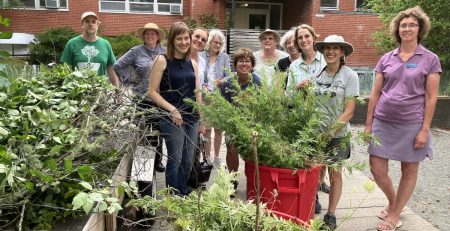
Texas A&M AgriLife Extension; State Appropriations, Fee-Based Funding. See full statement. - As a result of trainings in Indiana, 51 private woodland owners plan to take action to improve the productivity, health and sustainability of their woodlands, which cover about 1,500 acres total and are valued at $7.3 million.
Purdue Extension. Smith-Lever (3b&c). See full statement. - Extension professionals in Wyoming empowered new landowners (especially those that have moved from other locations) with knowledge about Wyoming’s native plants, trees and unique climate patterns, as well as skills for addressing land health issues such as weeds and wildfire risks.
University of Wyoming Extension; Smith-Lever (3b&c), USDA Capacity – Extension. See full statement. - A study by Maryland economists recommended a new strategy for reducing the dropout rate of landowners participating in incentive programs that pay them to use their land in ways that protect or restore the environment. Increasing retention rates results in higher payments to landowners and more ecosystem benefits. Restructuring in this way would optimize incentive programs for participants, the government offering the program and the environment.
Maryland Agricultural Experiment Station. See full statement. - Texas has 1.3 million private ponds that support important ecosystem services, such as wildlife habitat and recreation. Extension programs in the state help manage these ponds. During 2023, Extension professionals helped improve management of more than 55,000 acre-feet of private water.
Texas A&M AgriLife Extension; State Appropriations, USDA Capacity –Extension. See full statement. - In Mississippi, Extension professionals equip agricultural and natural resources professionals, producers and landowners with science-based knowledge and skills that help them manage land in environmentally and economically sustainable ways. The pilot program successfully enrolled 22 producers across five states, impacting 10,424 acres through the adoption of seven conservation practices. The program also helped participants understand sources of financial and technical assistance. The direct economic impact of conservation practice incentive payments to offset implementation costs during the reporting period was approximately $1.38 million.
Mississippi State University Extension Service; Smith-Lever (3b&c). See full statement. - Extension professionals in Delaware partnered with communities to host stormwater workshops that helped HOAs, homeowners and commercial property owners understand stormwater management. Proper management of these areas will reduce the impacts on water quality in Delaware and help recreate ecosystem services that were lost during development.
University of Delaware Cooperative Extension; State Appropriations, USDA Capacity –Extension. See full statement. - Extension programs reached 775 new landowners across 22 counties in Texas in 2024, teaching them important land management and conservation strategies. Participating landowners estimated the economic value of the programming at over $444,000 ($6.55/acre). Program participants reported improved understanding, and 87% indicated they would likely adopt at least one recommended practice. Educating the new generation of landholders is an opportunity to create a lasting impact on those lands.
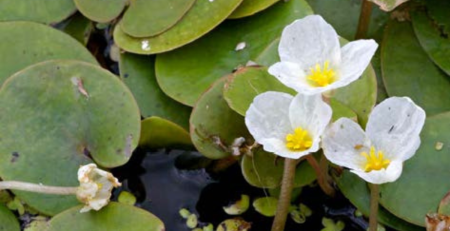
Texas A&M AgriLife Extension; State Appropriations, County Funding. See full statement. - Thousands of lakefront property owners in Michigan have participated in an Extension program that shares information on lake ecology, aquatic plants, water law, environmentally friendly landscaping and more. Among participants, 97% increased their awareness of lake management techniques, and 89% will use information gained in the course in local lake management efforts. The program also facilitated a peer-to-peer network that has strengthened the communal conservation ethic. The program has become a key part of enhancing stewardship of that state’s 11,000 inland lakes.
Michigan State University Extension; Smith-Lever (3b&c). See full statement.
Keeping land in the family
The “Keeping it in the Family” Sustainable Forestry and Land Retention Program in Arkansas provides educational resources and technical assistance to help landowners protect and retain their family land for future generations. One landowner recently worked with the program to evaluate a $15,000 purchase offer for her family farm. The program helped her understand the offer undervalued her land and navigate alternative options. The landowner now has a five-year Conservation Stewardship Program contract more than 12 times the amount of the purchase offer. This funding is being used to enhance the landowner’s farm and timber stand in several ways, including improving floodplain connectivity, enhancing wildlife habitats, protecting native plants, improving soil quality and reducing wildfire risk. The program also continues to work with the landowner on other ways she can receive income through her family land. According to the landowner, participating in the program has changed her life. Though she had started to give up on the family farm, the program has allowed her not only keep it, but to help it thrive for years to come.
University of Arkansas Cooperative Extension Service – University of Arkansas at Pine Bluff. See full statement.
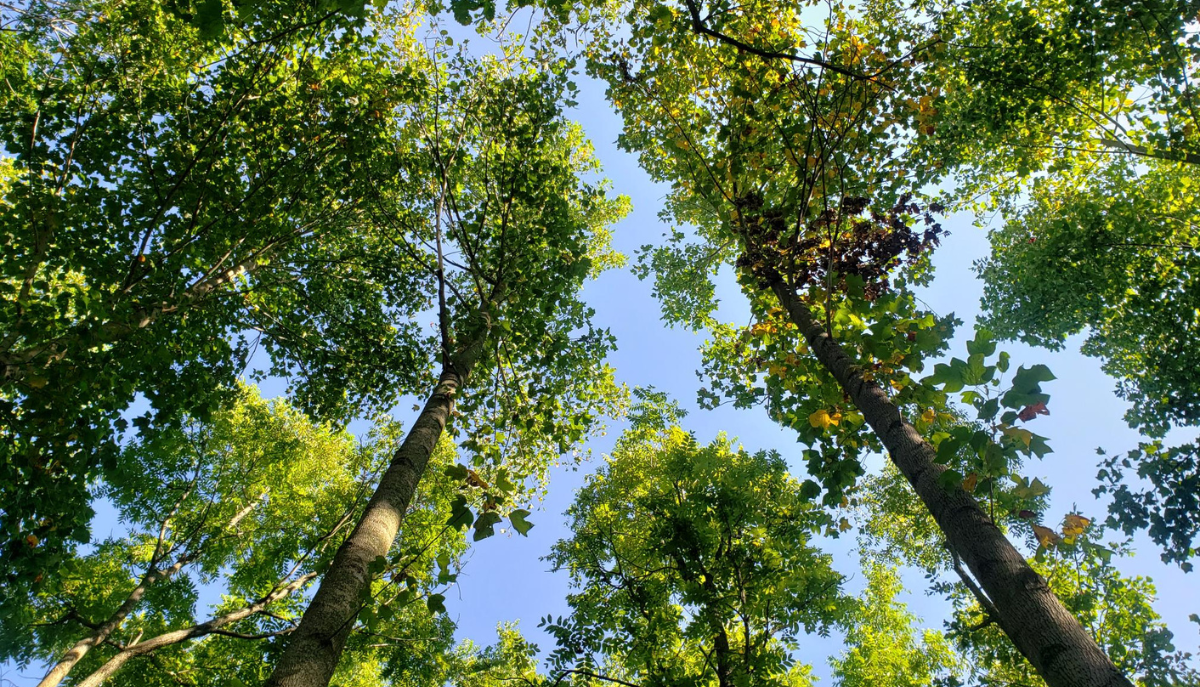
Photo courtesy of Purdue Extension.