
Agricultural Systems

Increasing profitability and productivity of farming and ranching by reducing inputs, improving efficiency, and advancing automation.
Featured Agricultural Systems Impacts
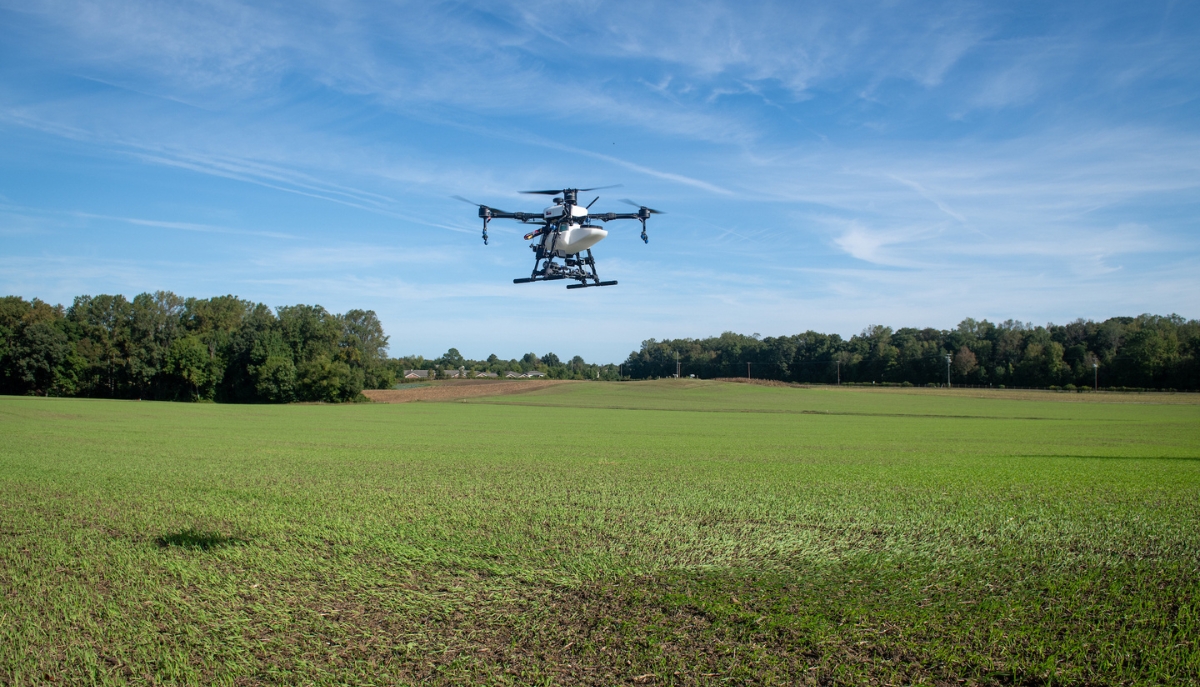
Research and Extension make agricultural systems more efficient, profitable, competitive and resilient
Strategies and tools for managing crop pests and diseases have increased productivity and profitability. For example: Research and Extension help growers select the best varieties […]
- All
- Story
- Summary

Disaster response and recovery: partnering in times of local community need
As threats from wildfire and extreme weather increase, producers and communities need information to help prepare and resources to support recovery once impacted. Land-grant universities […]
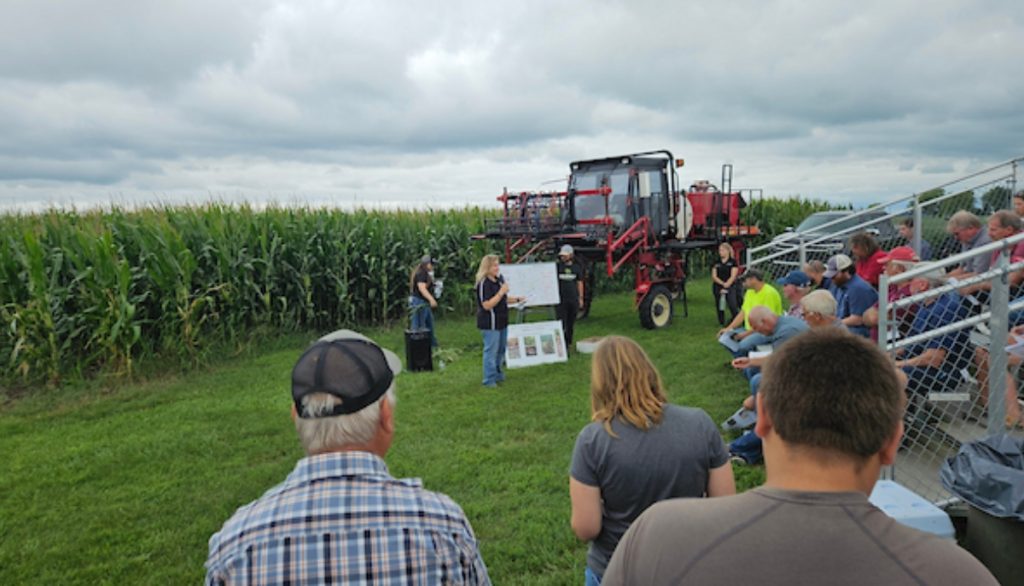
Hands-on learning through trials and demonstrations
Lack of awareness and understanding of the latest research and technologies can impact profitability on small farms. Land-grant universities provide hands-on learning opportunities where producers […]

Designing multi-crop systems for sweet success in maple sugarbushes
Researchers at Cornell in New York are creating diversified agroforestry systems that can take advantage of the understory in maple stands or sugarbushes. While maple […]
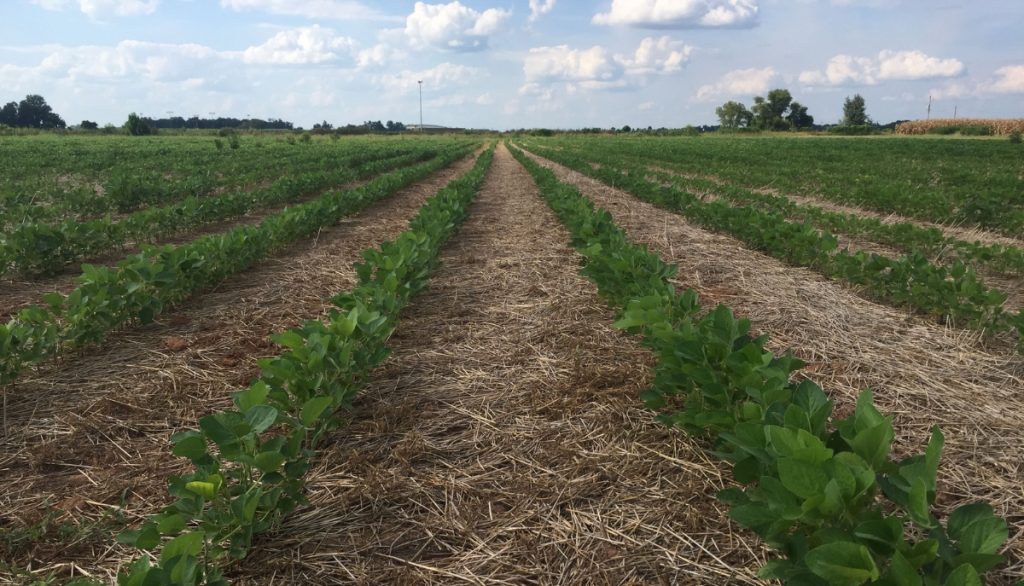
Improving soil fertility through conservation practice adoption
Soil health challenges such as erosion, compaction, nutrient depletion and declining organic matter threaten crop productivity and long-term farm profitability in Indiana. Purdue Extension in […]
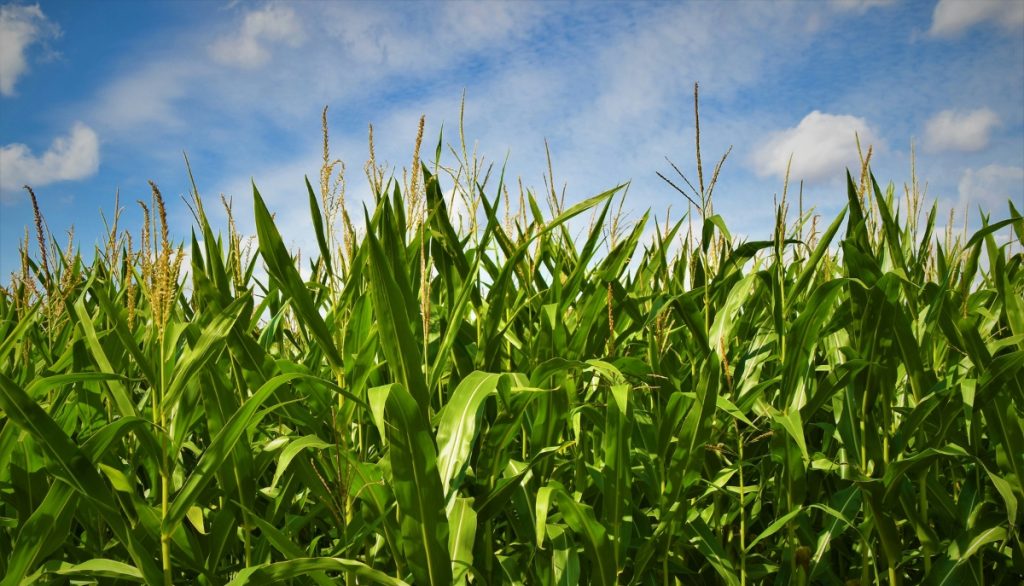
Scientists unravel corn pest’s overwintering genes
Western and northern corn rootworms cost U.S. growers more than $1 billion each season. The larvae chew roots that anchor and feed corn plants, knocking […]
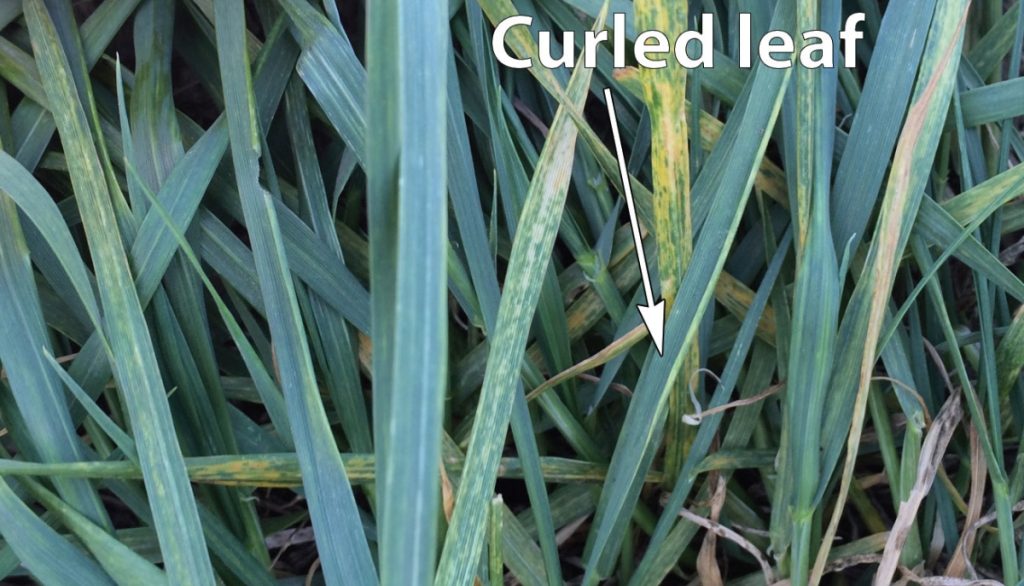
Tackling wheat mosaic virus in Central, Western Kansas
A devastating outbreak of wheat mosaic virus hit Kansas in 2025, threatening the state’s multi-billion-dollar industry that produces 24% of the nation’s wheat crop. With […]

Identifying carrot seed disease pathogen to prevent yield loss
Central Oregon produces some of the world’s most valuable hybrid carrot seed, supporting a high-value specialty crop sector. Bacterial blight threatens seed quality yields and […]

Tech solutions for livestock management
Livestock producers face challenges such a shrinking labor force, limited veterinary access and rising costs. Artificial intelligence, precision agriculture technologies and genome sequencing have shown […]
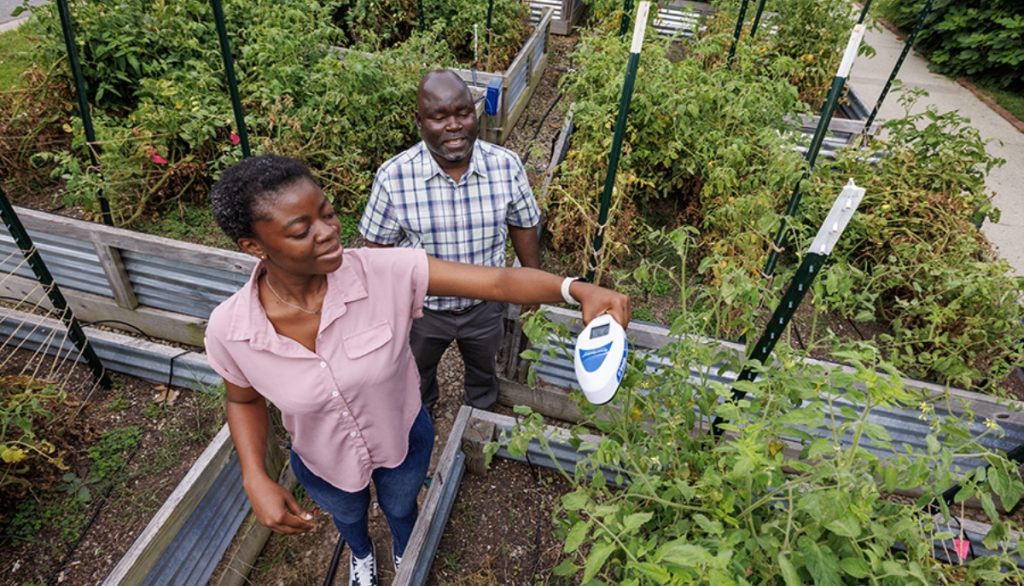
Smart irrigation helps farmers save water
Many farmers rely on traditional methods to decide when to irrigate their fields, using visual cues like wilting leaves or the feel of dry soil. […]

Filling the knowledge gap on Alaska’s agricultural soils
Alaska’s vast geography and diverse climates create highly variable soil conditions, yet limited data has historically constrained agricultural planning and soil management across the state. […]
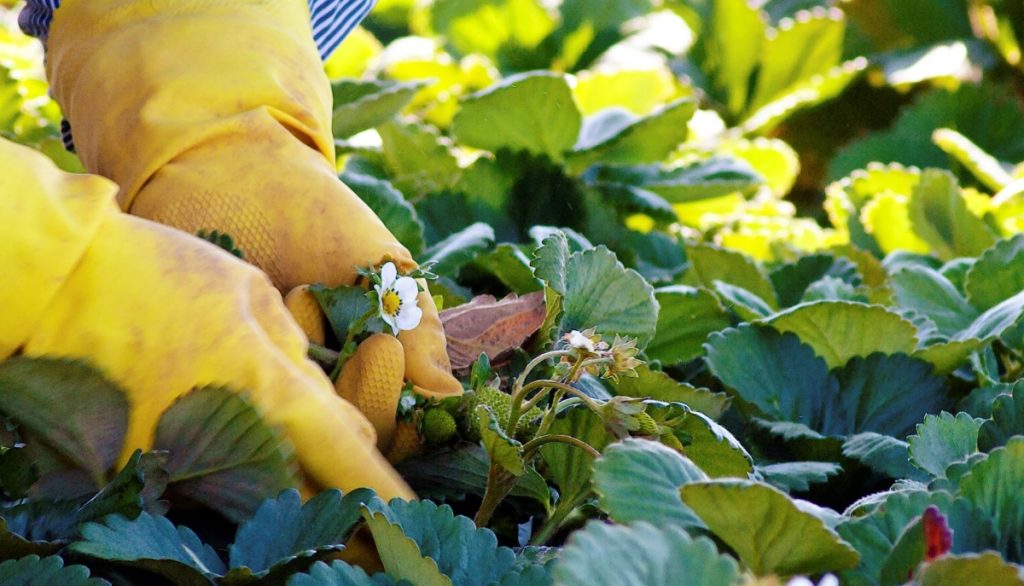
Research helps increase specialty crop profitability
Specialty crop growers provide popular products to consumers. There are many challenges to growing the products commercially. Land-grant universities support growers with research and resources […]
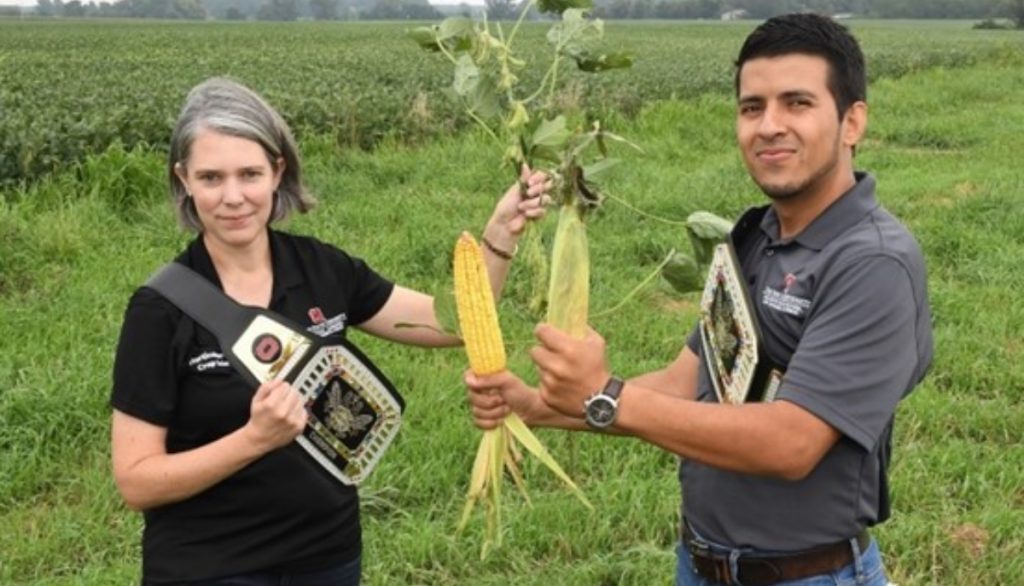
Research answers question of planting priority: corn or soybean?
Planting date has a major influence on both corn and soybean yields. With only about half of May suitable for fieldwork in Ohio many years, […]

Supporting producer safety, health and well-being
The U.S. Centers for Disease Control suggests that agriculture is one of the most dangerous businesses in the United States. An estimated 160 agricultural workers are […]
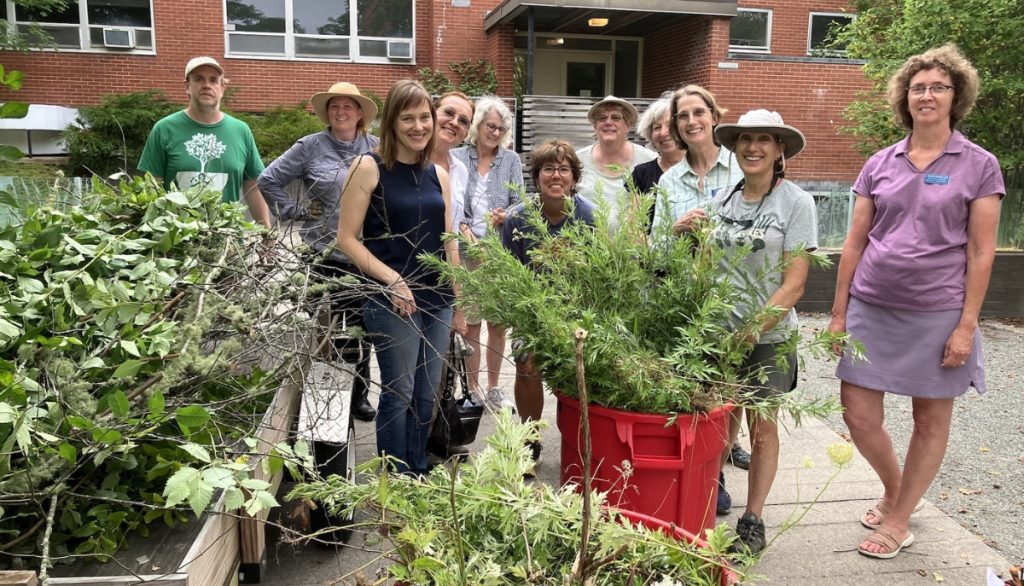
Horticulture programs sprout more resilient communities
Local horticulture is an important tool to combat food insecurity in underserved communities, while boosting environmental sustainability and community health. Volunteers with horticulture training through […]

Combating rice delphacid in the Southwest
Rice delphacid, an invasive insect that has caused economic damage in the Southwest, has received quick attention from Texas A&M AgriLife with response work focusing […]
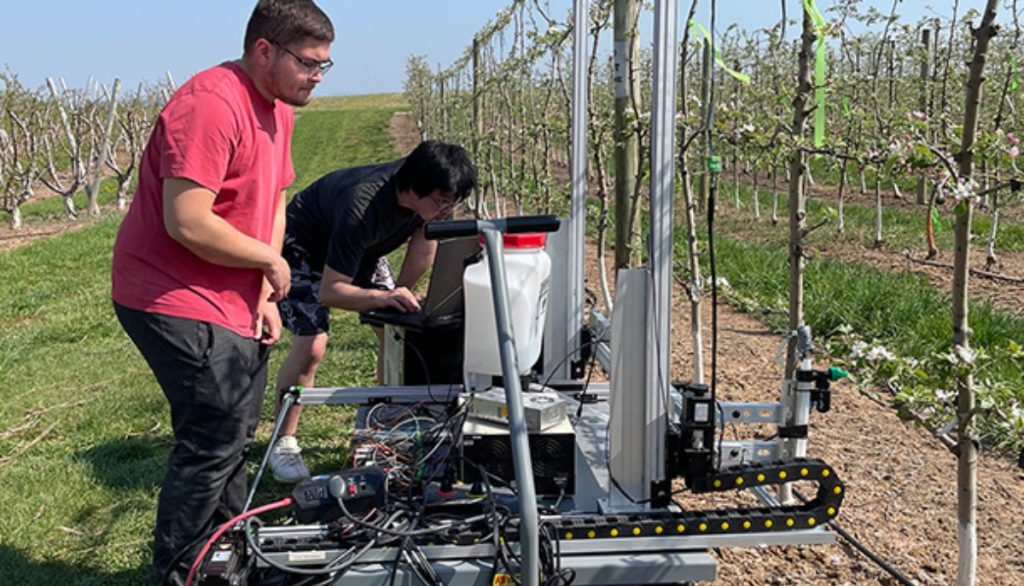
Emerging technology offers new tools for growers
Emerging technology is giving farmers tools to reduce the impacts of labor shortages, rising costs, changing weather patterns and regulatory demands, while improving production and […]
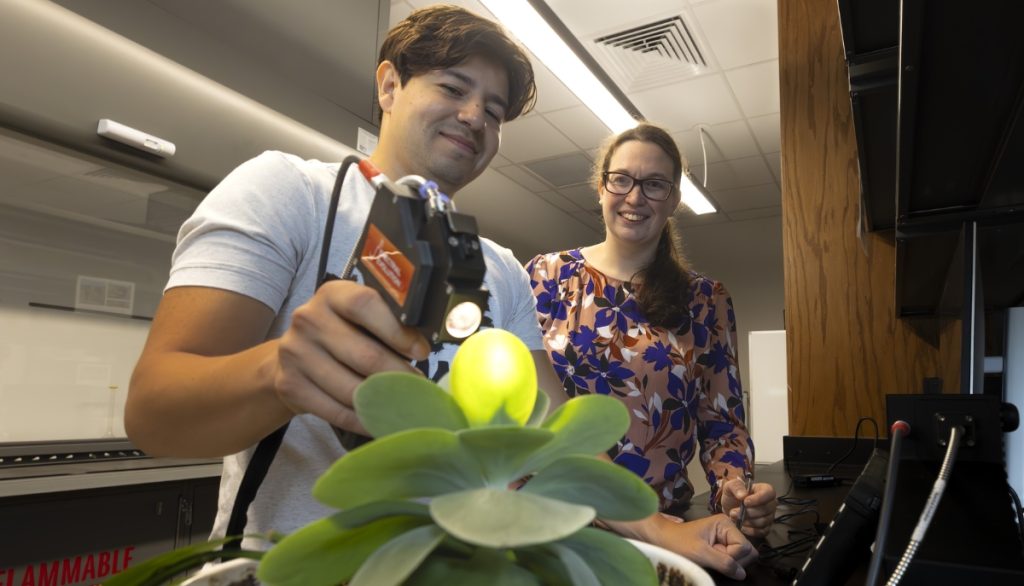
Building resilient agriculture through pest management
Land-grant university pest management programs strengthen agricultural resilience by delivering research-based education that helps farmers manage pests more effectively and safely. These programs improve pest […]

New fruit, vegetable cultivars offer new opportunities for growers
Developing or restoring different fruit and vegetable cultivars allow farmers to plant crops based on disease resistance, fertilizer requirements, adaptations to site-specific soil and weather […]
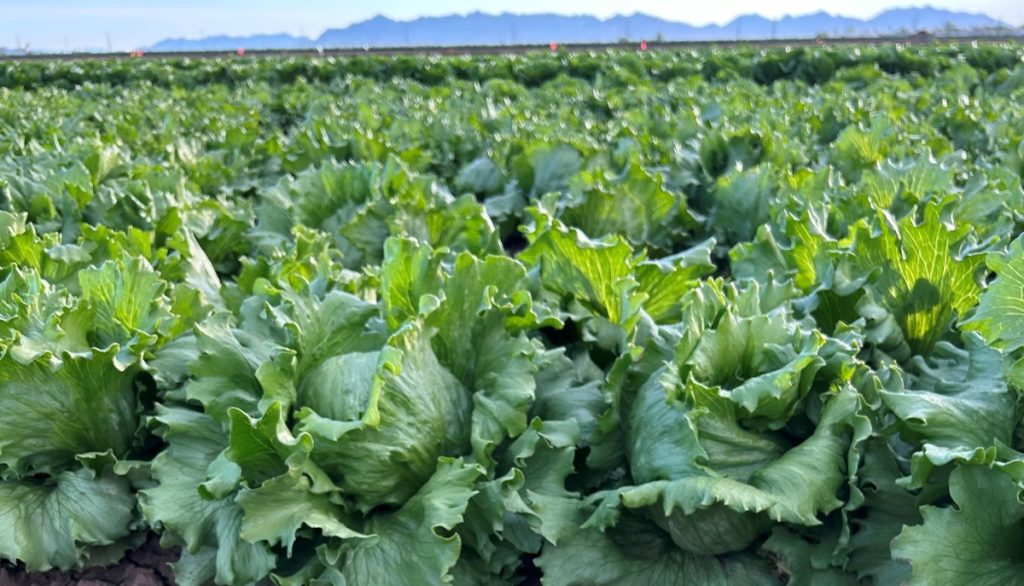
Decades of field data help desert lettuce growers improve pest control
Lettuce growers face recurring pest pressure from an array of insects that drive yield losses and high management costs. Long-term, field-based data has been used […]

Readying veterans for agricultural enterprises
Military veterans across the Midwest are increasingly pursuing careers in agriculture, yet many lack access to training in production economics, enterprise budgeting and sustainable farm […]
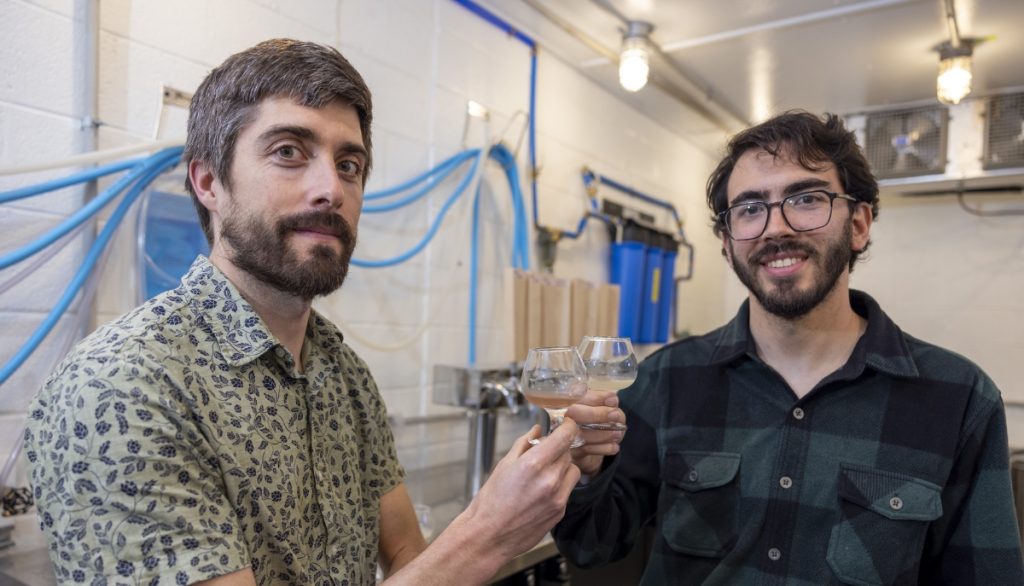
Cheers to gluten-free beer made with malted rice
Arkansas produces more rice than any other U.S. state, including about half of the nation’s long-grain rice. As long-grain rice exports have dropped from 50% […]

Creating healthier, higher-yielding eggs
Researchers at North Carolina State University have found several ways to increase egg production, ensuring a steady inventory hits the grocery supply chain. With more […]

Soil carbon under managed grazing in Southern Wisconsin
Building organic carbon soil (SOC) on agricultural land is an important strategy for stabilizing the climate by storing carbon that would otherwise contribute to greenhouse […]
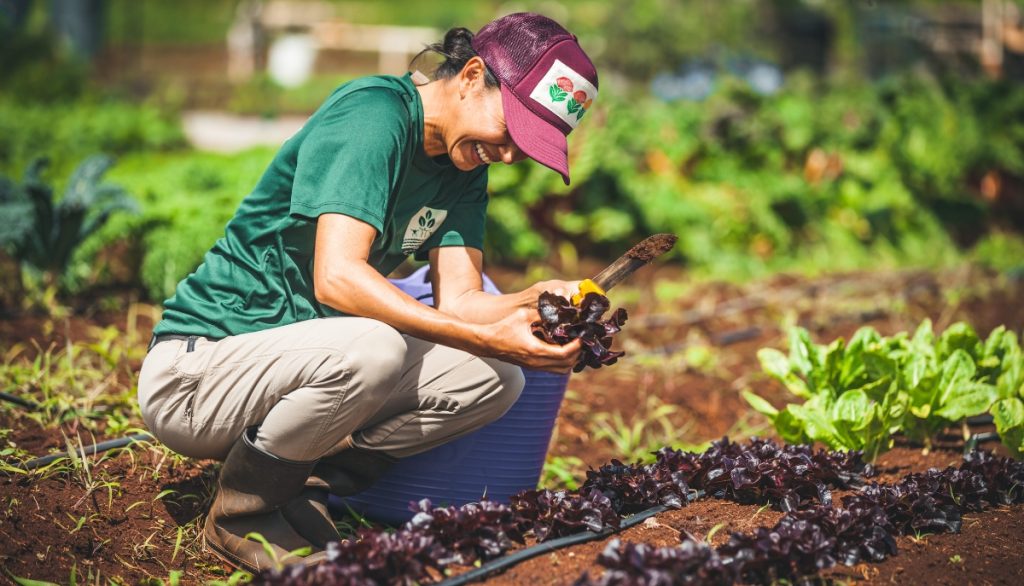
Strengthening the agricultural workforce for the future
The workforce is changing. Across industries and states, trained workers are in demand to support local food systems, meet community needs, ensure safety and increase […]

Ranch Management University program helping new landowners understand agriculture, natural resources
In Texas, many inherit land properties without any formal training in soil health, livestock management, wildlife habitat or water stewardship. The result can be land […]

Land stewardship program strengthens Edwards Plateau
With a goal to empower landowners to care for the Edwards Plateau, the Bennett Trust Land Stewardship program at Texas A&M AgriLife Extension provides practical, […]

Fine-tuning livestock production systems to overcome challenges
Livestock researchers are exploring new ways to achieve higher profitability through reproductive research, technology and traditional education outreach to help offset rising production costs. Here […]
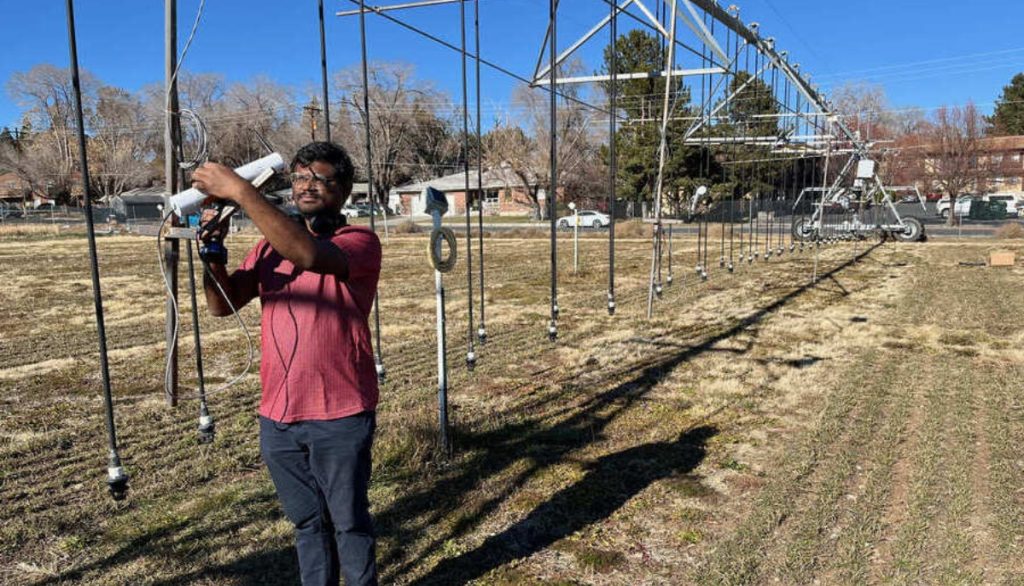
Informed decisions to optimize water use and irrigation investments
Harsh weather conditions and limited water access are driving research and technology innovation that will help farmers and producers make informed decisions about irrigation investments […]
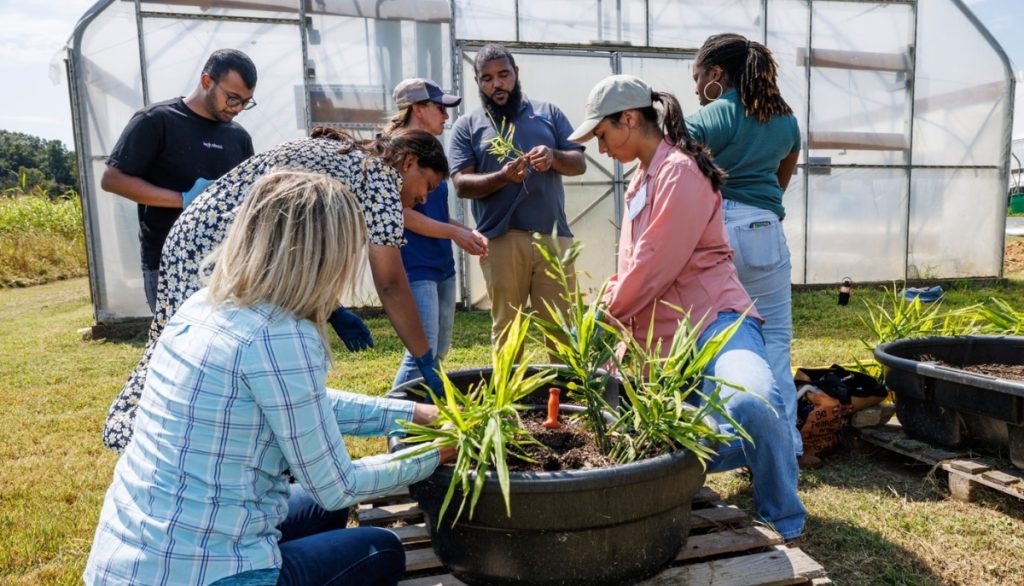
Ginger fills a niche in North Carolina
Extension specialists in North Carolina led a program to help small and limited-resource farmers learn about growing ginger, a high-value specialty crop. Since ginger is […]
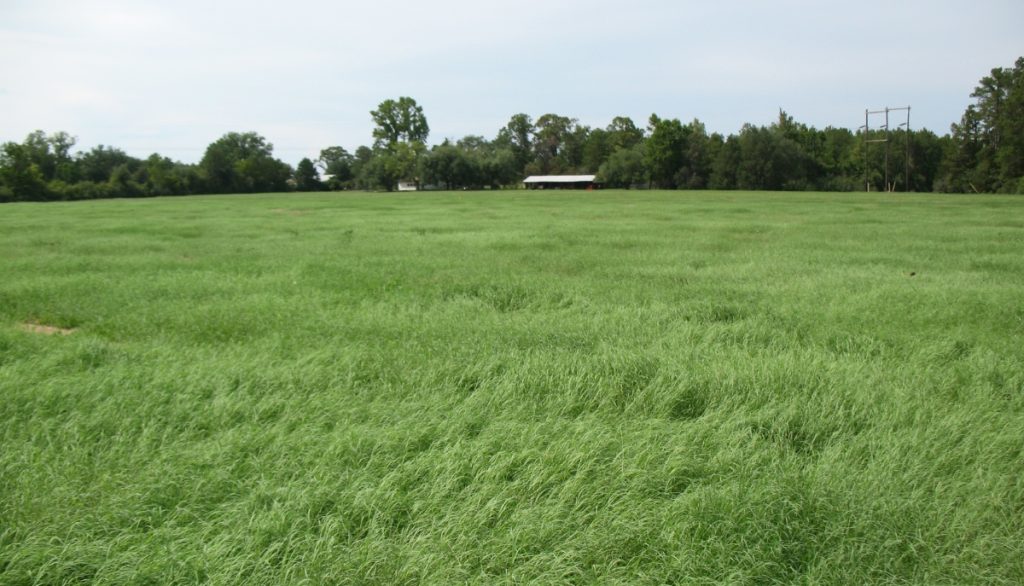
Texas livestock, forage producers focus on profitability
Forage production for livestock in Texas is a necessity and expensive. The annual cost of producing Bermudagrass forage per acre can span $200 to $450 […]

Agricultural tax education helps farmers understand tax law updates
With tax laws changing annually, farmers, businesses and tax professionals must navigate a challenging landscape to comply with the latest regulations. The University of Minnesota […]
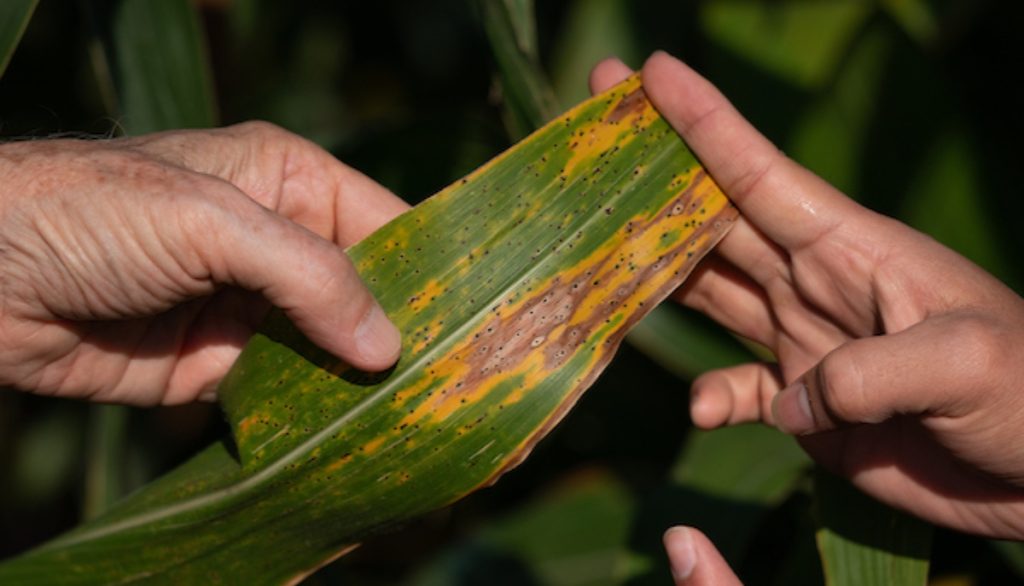
Improving crop profitability through disease management
Land-grant university research and Extension programs help producers manage costly plant diseases through early detection, risk assessment and science-based tools. By integrating applied research, diagnostics […]
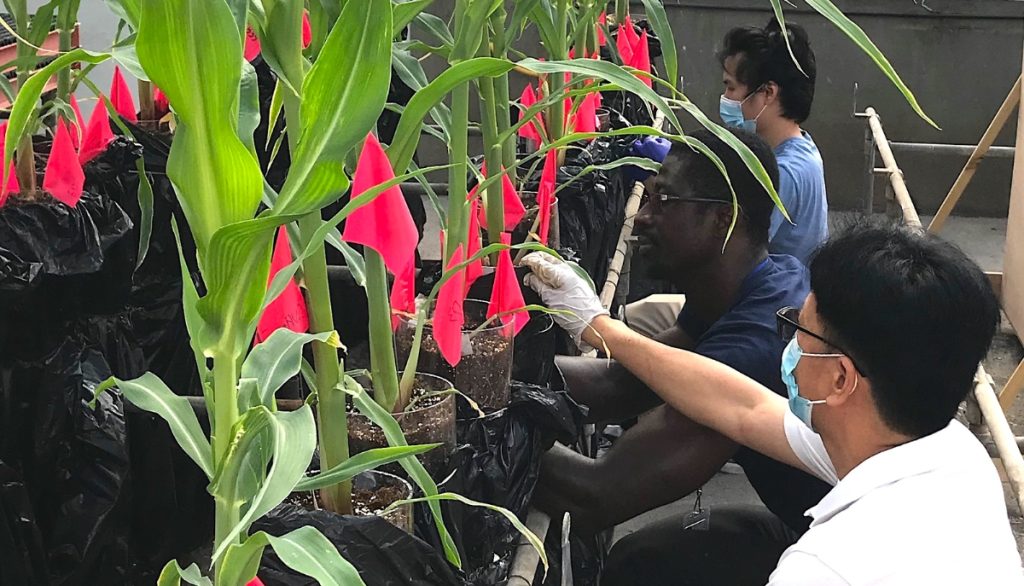
From field to fork: biochar strengthens the entire food system
Corn production is central to U.S. agriculture and food systems, yet its reliance on nitrogen fertilizer creates both economic and environmental challenges. While nitrogen is […]

Newest weapon against lice: lavender, cloves and thyme
A team of Extension professionals in Vermont have developed and tested a nonchemical alternative to treating winter lice infestations in cattle and sheep to bypass […]

Soil fertility research and education drive cost-effective crop production
South Dakota agriculture depends on efficient soil fertility management to remain profitable and environmentally sustainable. With more than 42 million acres in crop production, fertilizer […]

Growing food security in urban spaces
Urban communities continue to face persistent constraints related to food access, limited growing space and water availability. Urban, small-scale food production, including controlled environment agriculture […]
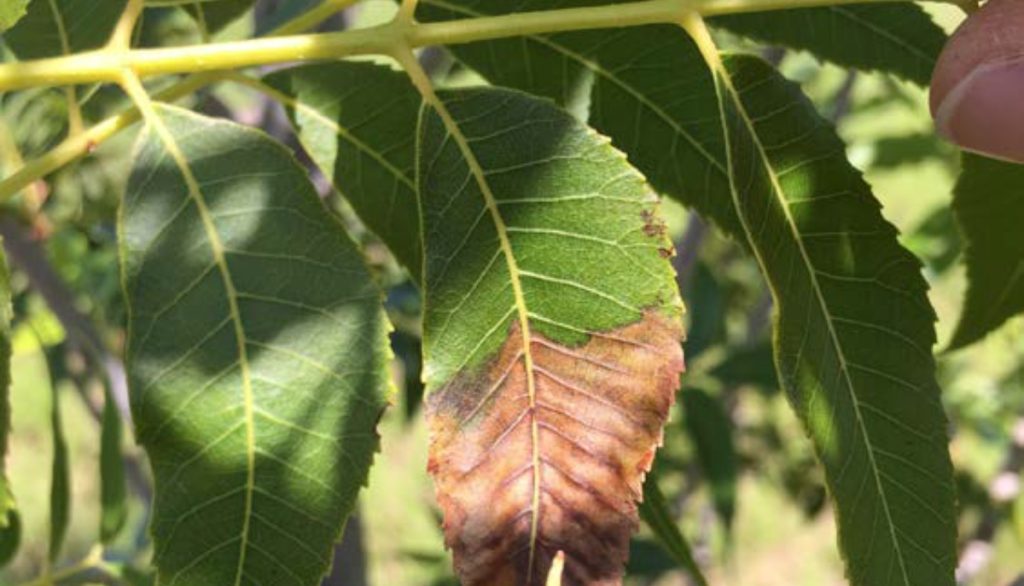
Plant disease testing saves New Mexico growers money
Plant diseases threaten crop yields, farm profitability and export markets. Most New Mexico farms are small or family-owned and lack access to private diagnostic services, […]

Securing agriculture’s future through successful farm transitions
Kansas State Extension, University of Nebraska-Lincoln and Purdue University Extension in Indiana helped families ease the transition of farms to the next generation through a […]