Mitigating costly poultry diseases
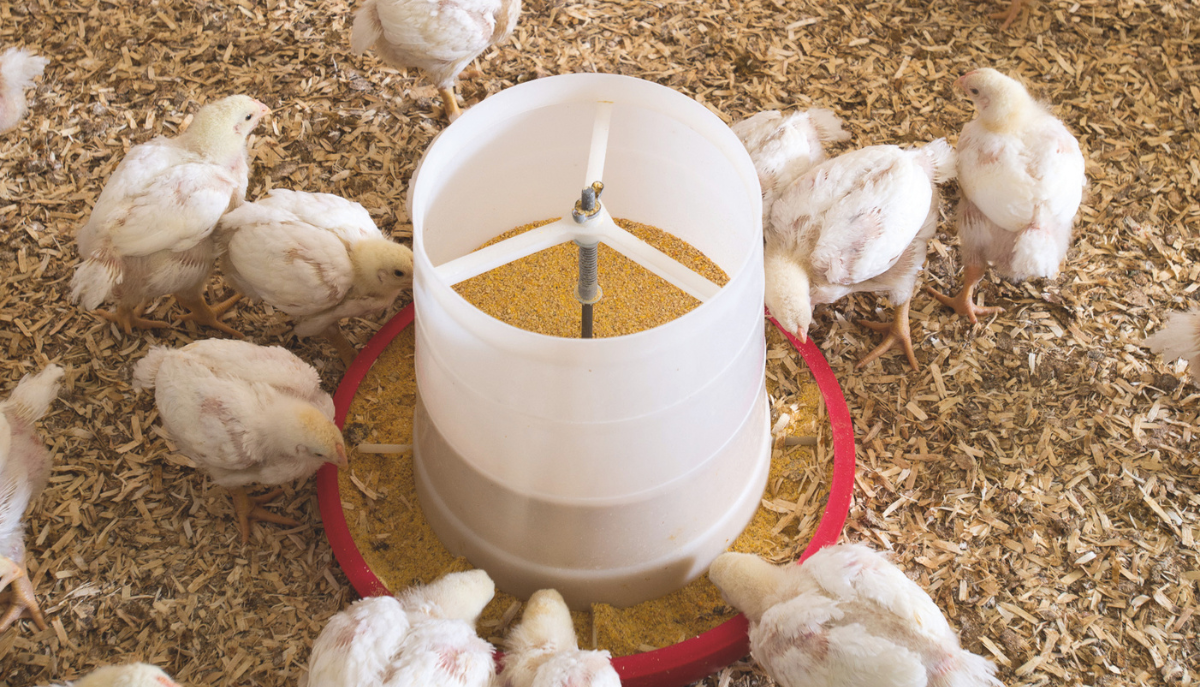
Avian diseases pose a major challenge to the nation’s $77 billion poultry industry and drastically increase the cost of poultry products for consumers. Avian diseases can also pose a health threat to other animals and humans. At the same time, there is a demand to produce poultry without antibiotics or other drugs commonly used to fight diseases. Working together, scientists and Extension professionals at land-grant universities across the nation are identifying and sharing ways to improve poultry resistance. The multistate approach is key; no single state or institution has the range of expertise, facilities, equipment and biological resources needed for avian disease research. The Land-grant University System is uniquely poised to conduct multidisciplinary, multistate research, Extension and education, enabling efficient, long-term collaboration that fosters innovation.
Here are a few examples of that work:
- Developing poultry breeding lines with defined genetic characteristics that enable research on immune response and disease resistance.
- Creating new tools to identify specific disease-resistance genes, which help poultry companies evaluate their breeders and enhance the frequencies of favorable genes in their populations.
- Designing effective, safe vaccines for avian diseases. For example, researchers discovered, developed, and patented the principal component of Marek’s disease vaccines now used by all poultry companies.
- Identifying genes has also allowed poultry breeders to select for increased resistance to pathogens like Campylobacter, a common cause of human foodborne illness. Other insights are helping develop strategies that improve poultry immune response to Salmonella, also a cause of foodborne illness.
- Creating a survey of infectious bursal disease virus in poultry populations to determine which virus mutations the industry should watch out for and which should be included in vaccines for optimal protection.
- Revealing the level of persistence of high and low pathogenic avian influenza viruses in poultry footbaths, manure and litter. Researchers also studied litter amendments that could reduce persistence of the virus.
- Identifying potential feed amendments that could augment poultry immune responses. For example, studies showed that probiotic and postbiotic products can mitigate necrotic enteritis in poultry, and a thymol-based botanical blend was able to clear Salmonella in broilers when conventional antibiotics were not effective.
This multistate project is supported in part by USDA NIFA through Hatch Multistate Research Fund allocations to participating land-grant universities and other partners, including: University of Arkansas, Auburn University (Alabama), University of California, Davis, University of Delaware, University of Georgia, University of Illinois, Iowa State University, University of Maryland, North Carolina State University, Ohio State University, West Virginia University, and Western University of Health Sciences. See full statement.
Extension responds as avian influenza impacts multiple species
In the spring of 2024, the avian influenza virus infected dairy cows, raising questions about when one disease spills over to another species. Extension teams from across the nation, like those in Oregon and Michigan, were quick to supply information to those in the industry as well as consumers concerned about the safety of dairy products.
Michigan State University Extension; Smith-Lever (3b&c). See full statement. Oregon State University Extension Service; State Appropriations. See full statement.