Enhancing food safety with research and training
The United States food supply is among the safest in the world, but every day news stories report food recalls for a variety of safety reasons. Food safety must be maintained through every step of the production process, and land-grant institutions are the key to research and training that helps the food industry provide safe, healthy food.
Here are a few examples of that work:
- Roughly 235 state and 50 federal meat processors are an important part of Montana’s agricultural and rural communities. Extension training helps meat processors continue to produce safe, high-quality products and stay in business.
Montana Agricultural Experiment Station. See full statement.
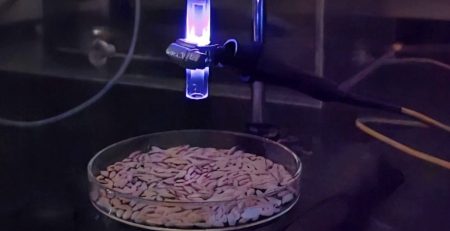
- Pecans are an important part of Georgia’s tree nut industry and a major economic crop in the United States. However, increasing reports of foodborne illnesses linked to low-moisture foods raise concerns about the safety of nuts and nut-based products. Researchers demonstrated that pulsed ultraviolet light reduced microbial contamination on pecans by 99.9% within 40 seconds. The team reports that nonthermal processes can decrease microbial contamination without damaging product quality.
Fort Valley State University Agricultural Research Station. Supported by USDA Capacity – Research. See full statement.
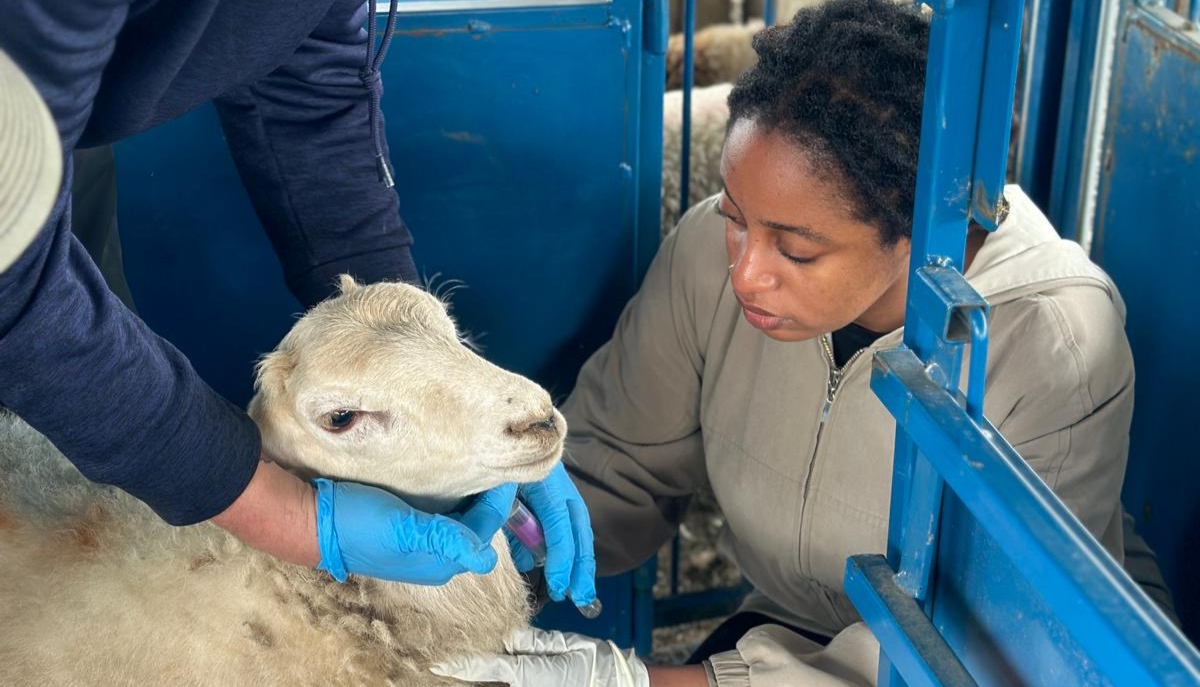
- The overuse of antibiotics and dewormers in animal production has led to food safety concerns and the development of parasite resistance. Researchers in Arkansas are evaluating the effects of natural immune regulators on sheep. The goal is to improve the animal’s overall health by enhancing gastrointestinal function and immune response with natural dietary supplements.
University of Arkansas at Pine Bluff Agricultural Research Station. Supported by USDA Capacity – Research; Evans-Allen capacity funds. See full statement.
- Trainings required by the Food Safety Modernization Act are conducted in several states. For example, in Delaware such sessions provide farmers with up-to-date training and information focused on microbial food safety to reduce the risk of produce contamination, illness and death while minimizing economic loss on the state’s more than 60,000 acres of fruits and vegetables.
University of Delaware Cooperative Extension. See full statement.
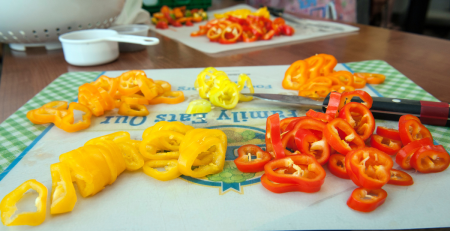
- Vermont’s web-based case studies illustrate options for constructing or renovating buildings for washing, packing and storing fruits, vegetables and tubers for local retail and wholesale markets. These easily accessible podcasts, images and videos are particularly helpful for smaller operations with limited resources. Sharing knowledge and experiences about pack shed set-up and post-harvest processes helps growers optimize their operation and reduce the risk of foodborne illnesses.
University of Vermont Extension. Supported by Smith-Lever (3b&c) capacity funds; non-profit grants and contracts. See full statement.
- The Better Process Control School ensures that Missouri’s acidified food businesses prepare, package and sell safe, high-quality products. The training protects public health, supports business viability and strengthens confidence in the state’s value-added food sector.
University of Missouri Extension. Supported by state appropriations; private grants and contracts. See full statement.
Making microgreens safe with biocontrol agents rather than chemicals
Microgreens are popular for their intense flavors and nutritional benefits. However, they pose food safety risks due to contamination by harmful bacteria like Salmonella. Typically consumed raw, microgreens face challenges because postharvest washing is generally not recommended as moisture and handling can compromise their delicate structure and quality.
Researchers in West Virginia explored an innovative approach: using viruses known as bacteriophages that infect and kill specific bacteria. The research examined the effectiveness of these biocontrol agents in reducing Salmonella levels during the cultivation of microgreens. Results indicate that the use of bacteriophages significantly lowered Salmonella counts compared to untreated plants. These findings suggest that integrating biocontrol methods during the growing phase could substantially boost the healthy development of the plants and improve food safety for microgreens.
West Virginia State University Agricultural and Environmental Research Station. Supported by USDA Capacity – Research. See full statement.
Photo courtesy of University of Arkansas at Pine Bluff Agricultural Research Station.