Understanding how natural chemicals in food affect health
The foods and drinks we consume contain natural chemicals like vitamins, minerals, flavonoids, toxicants and hormones that can positively or negatively impact human health. Since 1971, a multistate project has brought together researchers at 22 land-grant universities to research the effects of these dietary bioactive chemicals. Studies shed light on mechanisms involved in bioactivity and determined how agricultural practices and processing affect bioactivity.
Here are a few examples of that work:
- Connecticut: Provided epidemiological evidence that drinking large quantities of citrus juice increases risk of skin cancer.
- Guam: Found that indigenous mango leaves can be processed into a functional food, such as herbal tea, that has anti-diabetic activity.
- Hawai’i: Showed that polyphenols from native cacao and bitter melon may protect against diabetes.
- Indiana: Discovered that bacteria growth in the human intestine depends on the type of carbohydrate fuel they receive, which has important implications for probiotics and prebiotics.
- Michigan: Showed that cooking reduces the ability of some types of sorghum bran to protect against cancer.
- Nebraska: Provided the first demonstration that diets high in sulfur (high in processed meats and low in vegetables and legumes) are associated with development of colorectal cancer.
- New Jersey: Found that red raspberry ketones have anti-obesity effects in mice.
- Oregon, Lawrence Livermore National Laboratory, Pacific Northwest National Laboratory: Performed the first human studies on the bioactivity of benzo[a]pyrene, which is carcinogenic and found in almost all food.
- Tennessee, Utah: Identified a genetic marker for the allele that makes wild turkeys resistant to aflatoxin in feed, which will help breed resistant domestic turkeys and save the industry millions of dollars each year.
- Wisconsin: Showed how dietary iron absorption is controlled, which will guide ways to combat anemia in livestock and humans.
Projects supported by Hatch Multistate funds. See full statement.
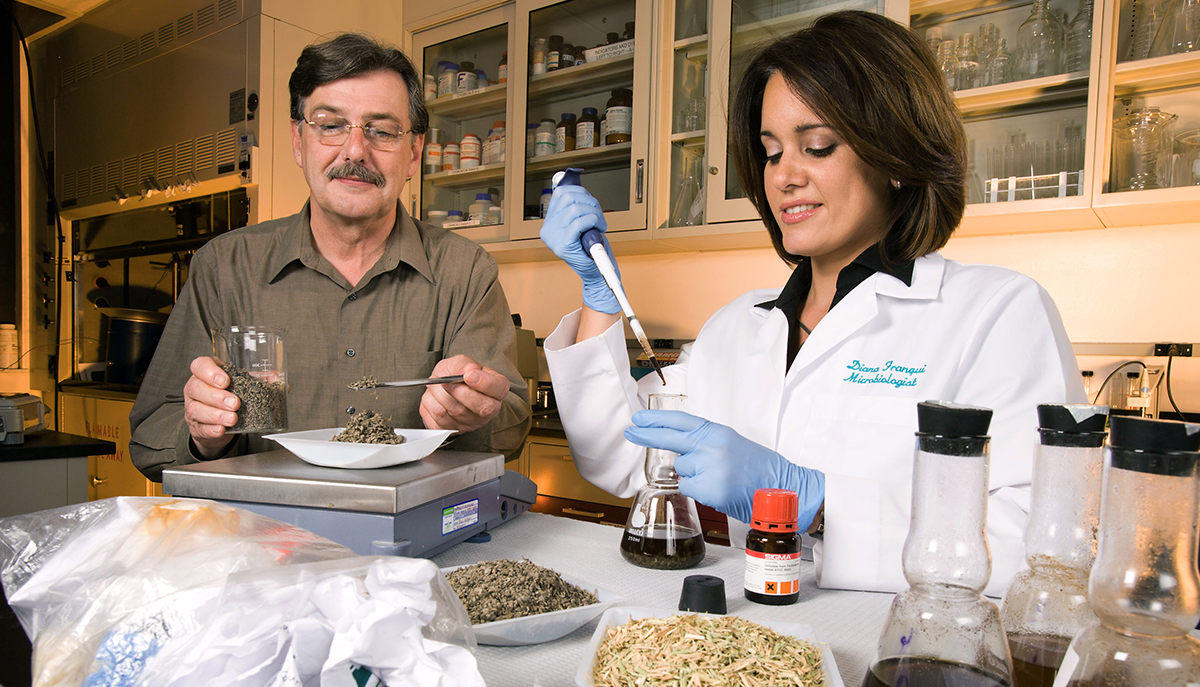
Photo courtesy Peggy Greb, USDA.