Tag - University of Connecticut

Institution

a rainbow shines through sprinkler mist on a field

Protecting our water

Water continues to be one of the most critical challenges facing agriculture and communities. Land-grant universities are working to discover new ways to increase water efficiency, reduce water use and protect water quality. Here are a few examples of that work: Researchers in Ohio are working to improve soil health and water quality through best agricultural management practices to prevent non-point-source [...]
Read more...
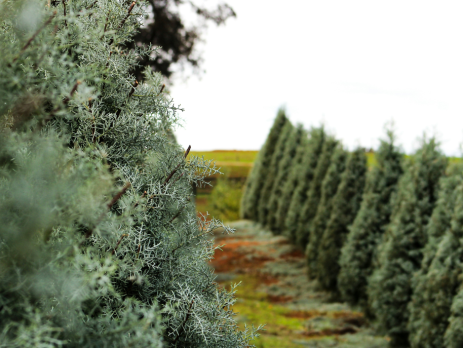
a Christmas tree farm

Research improves Christmas tree production in Connecticut

Two or three Christmas trees are planted for every one that is harvested. This implies that only 33% to 50% of planted trees survive to become salable, and this in turn translates into shortages in the availability of salable trees and higher costs for consumers. Many trees are lost when they are newly planted into growers’ fields, and many [...]

Read more...
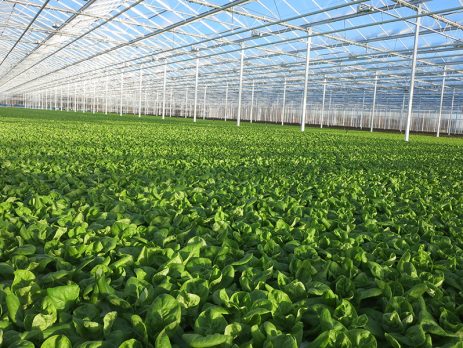
plants growing in a greenhouse

Extension on-site visits, conference support Connecticut greenhouse industry

Greenhouses in Connecticut represent a significant portion of the state’s $4.7 billion agricultural economy and are integral to the success of all agricultural businesses, according to a 2021 study by Farm Credit East. The total economic impact of the 583 greenhouse businesses in the state was $390 million in 2020. With support from the U.S. Department of Agriculture National [...]

Read more...
sweet potato root galls

Land-grant universities nationwide work together to sustainably manage nematodes

Nematodes are tiny, usually microscopic, roundworms that are incredibly common and widespread. They account for 80% of all individual animals on Earth. Some nematode species are beneficial to agriculture, while others have major detrimental impacts. Plant-parasitic nematodes can lead to poor soil and low crop yields. In the United States, annual economic losses due to nematode infection of crops [...]

Read more...
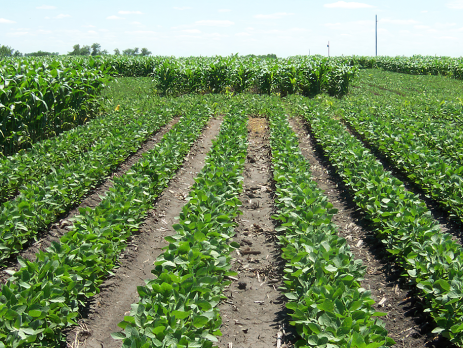
field with rows of crops

Healthy soils sustain food security

Researchers at the nation’s land-grant universities are studying the health of soils to increase agricultural production and decrease the use of agrochemicals used to grow food. Their work will contribute to our ability to meet the world’s growing demand for food. Here are a few examples of that work: Agricultural researchers in Pennsylvania are studying how soil salinity and soil nitrogen [...]

Read more...
a person checking on lettuce crop

Flexible training for new vegetable farmers in Connecticut

In Connecticut, new and beginning vegetable farmers are frequently first-generation farmers who also juggle off-farm jobs. These farmers need flexible training and support to build a thriving business that remains economically viable. To support these farmers, UConn Extension has developed an online, asynchronous vegetable production certificate course for farmers who have less than three years of experience growing vegetables. Participants [...]

Read more...
black woman farmer examines a squash plant

BIPOC farmers lead by example

Black, Indigenous and other people of color in farming often lack opportunities and face barriers to institutional resources typically available to White farmers. Approximately 96% of U.S. farmers are White. Farmers of color may be unaware of assistance available from government agencies and other organizations. To connect farmers of color with state and federal expertise and funding to help conserve [...]

Read more...