
 Northeast land‑grant universities leverage their close geographic proximity to collaborate rapidly and effectively across state lines. This concentration of expertise, spanning urban hubs, coastal communities, and rural landscapes, enables shared research, coordinated extension efforts, and innovative solutions to the Northeast’s interconnected challenges in food systems, climate resilience, natural resources, and community wellbeing. Together, these universities generate collective impact that strengthens the region and contributes knowledge with national and global reach.
More than 67 million people call the Northeast home—approximately 20% of the U.S. population living on just 6% of the nation’s land area while producing 24% of total GDP. This disproportionately high output per capita reflects the agglomeration benefits of densely populated metropolitan areas, which support higher productivity and incomes.
The Northeast’s residents represent a rich diversity of backgrounds and cultures, united by a long history of independence, self‑reliance, and innovation. From major cities such as New York, Boston, Philadelphia, and Washington, D.C., to small communities in northern Maine and the Appalachian region of West Virginia, the region mirrors the demographic and cultural diversity found across the nation.
Agriculture remains an essential part of the Northeast landscape. The region includes approximately 25 million acres of agricultural land across 167,000 farms. Nationally, the Northeast accounts for about 4.3% of U.S. crop cash receipts and 6.3% of U.S. animal and animal‑product receipts, contributing more than $19 billion annually to the national agricultural economy. Although the average farm size (133 acres) is significantly smaller than the U.S. average (445 acres), Northeast farms are highly productive—generating about 2.5 times more income per acre than farms in other regions. Northeast farmers use their resources efficiently.
Dairy remains a cornerstone of agricultural production, but the region’s economy is also shaped by high‑value sectors including agritourism, nursery and horticulture, specialty crops, and maple syrup production. Challenges such as limited and high‑cost farmland and the pressures of a densely populated region persist, yet these same conditions create opportunities. Proximity to large urban markets provides fertile ground for innovators in food systems, value‑added production, and direct‑to‑consumer marketing.
2026 Featured Impacts
- All
- Agricultural Systems
- Energy and Bioproducts
- Environmental Stewardship
- Food Security
- Nutrition and Health
- Youth, Family, and Communities

Extension program improves well-being for Maine families
The first three years of a child’s life are critical for growth and development. Early identification of developmental delays and subsequent referrals to early intervention […]

New solutions to support extended growing seasons for colder climates
Extending the growing season in colder climates can be challenging for small and mid-sized farms, especially in the northeastern U.S. Commercial greenhouses tend to be […]

Building West Virginia’s future fire service workforce through youth engagement
Volunteer fire departments across West Virginia face ongoing recruitment and retention challenges threatening emergency response capacity, particularly in rural and economically distressed communities. Aging volunteer […]
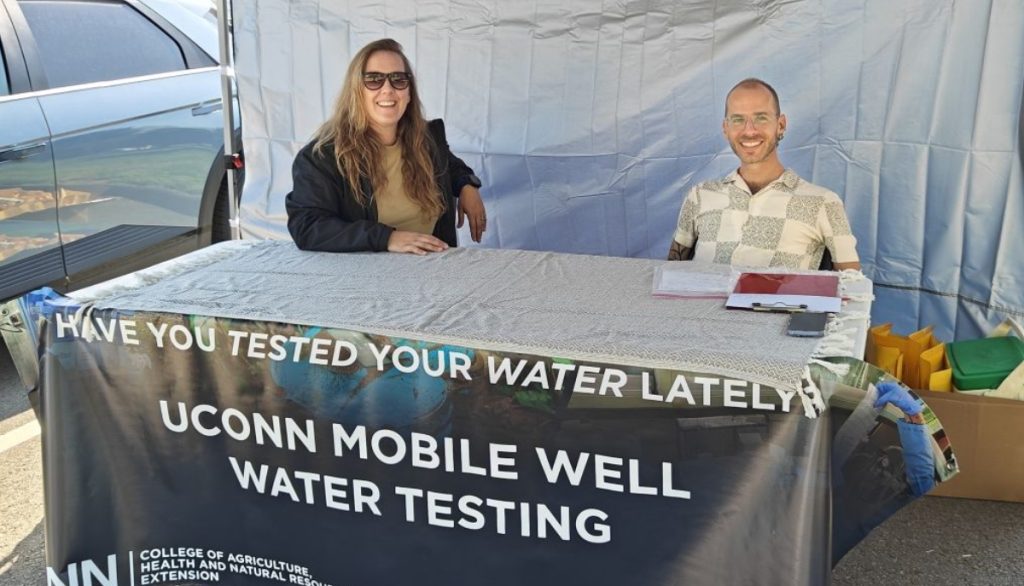
Well water testing improves public health
Clean and safe water is essential to public health, agricultural productivity and environmental sustainability. Those with private wells are responsible for their own water safety. […]

Early life exposure to common chemical permanently disrupts gut microbiome
The forever chemical commonly known as TCDF (2,3,7,8-tetrachlorodibenzofuran) is classified as a persistent organic pollutant and produced through industrial and combustion processes, including waste incineration […]

Building resilience through disaster preparedness in Connecticut
Extreme weather events such as flooding, hurricanes, drought and hail are increasing in Connecticut. This threatens safety, livelihoods and local economies for farms, families and […]
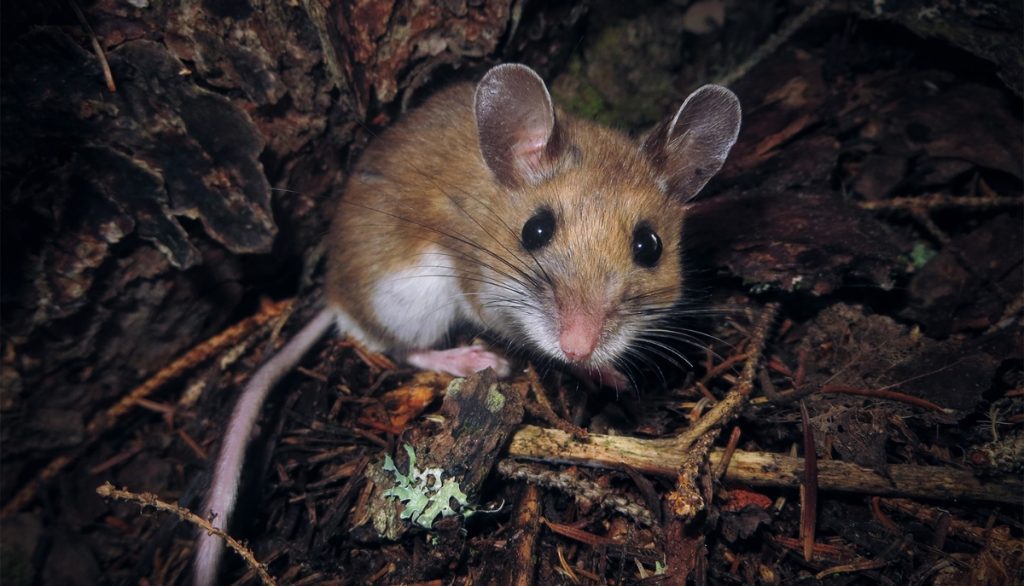
New Hampshire researchers study how small mammals adapt when forest seed cycles shift
Interactions between plants and animals are key to the biodiversity and long-term ecological resilience of forests. Small mammals such as mice, voles and shrews play […]

Newest weapon against lice: lavender, cloves and thyme
A team of Extension professionals in Vermont have developed and tested a nonchemical alternative to treating winter lice infestations in cattle and sheep to bypass […]

Food Recovery relieves food waste in Rhode Island
In 2024, more than one-third of Rhode Island households struggled to afford food. While food pantries served over 84,000 people each month, food remained the […]
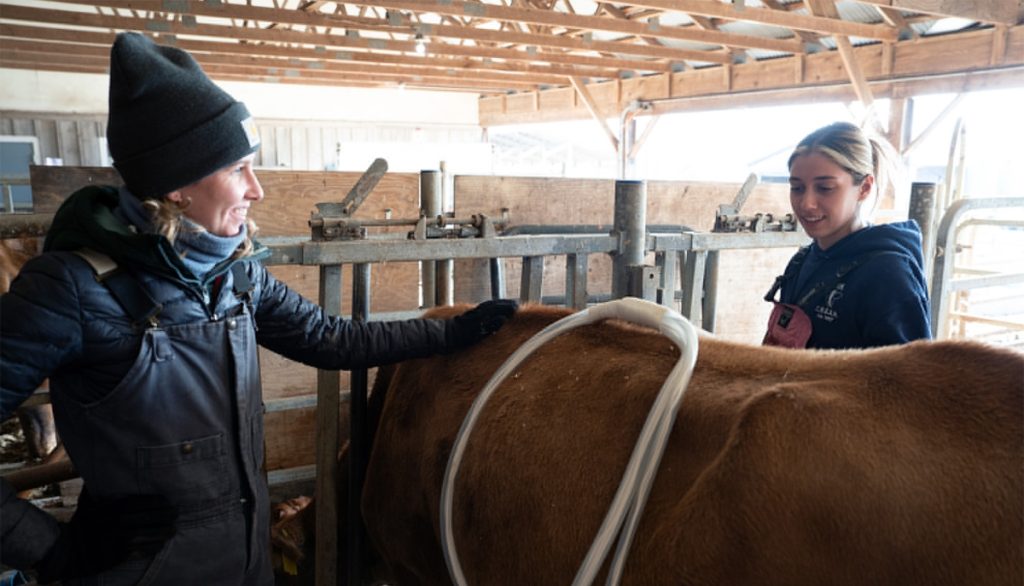
A safer treatment for mastitis, helping herds and farmers’ bottom lines
Mastitis, udder inflammation/infection, is a leading health issue in dairy herds, responsible for an estimated $2 billion in annual losses for U.S. farmers. New England […]
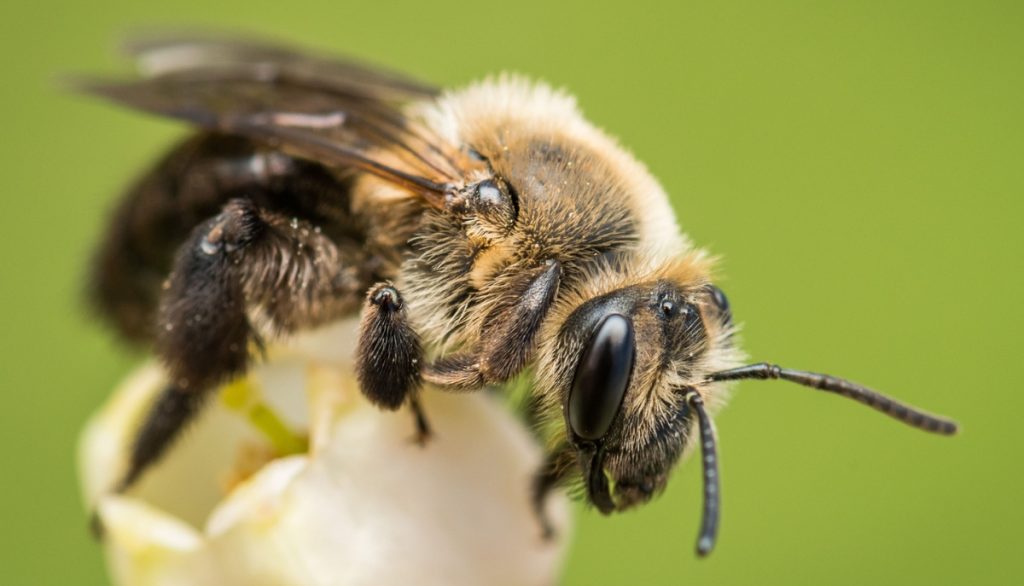
Leveraging a highly trained volunteer network to document bee biodiversity
Many high-value crops such as flowering fruit trees, berries and vegetables rely on native bee populations, but these critically important pollinators are declining nationwide. Scientists […]

Advancing student workforce development in West Virginia
In West Virginia, fewer students are going to college after high school. To meet the state’s workforce demand, 60% of West Virginians need to have […]

Robust resource hub, outreach campaign help prevent tick bites, reduce spread of tickborne diseases
Tickborne diseases pose a growing public health threat — most notably Lyme disease, which affects nearly half a million Americans annually. Despite this increasing risk, […]

In Connecticut, rain gardens show promise for stormwater management
Stormwater management is a challenge that many communities face. Roads, parking lots and similar surfaces make up much of the urban landscape, but rainwater can’t […]
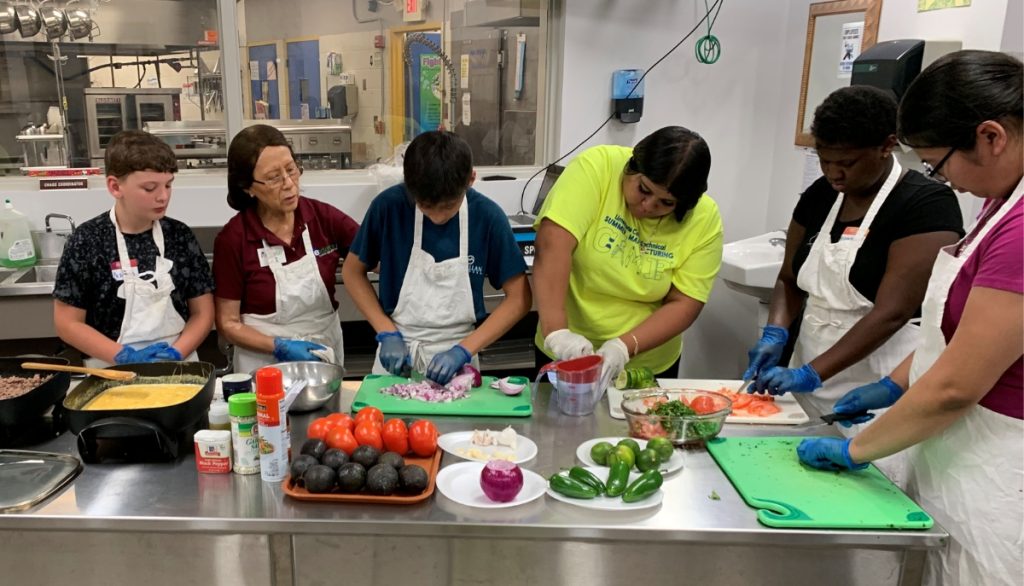
Expanding food and nutrition education among youth
Early habits among youth often last a lifetime. Extension provides the Expanded Food and Nutrition Education Program (EFNEP) to both youth and adults to improve […]

Artificial intelligence decodes microbes’ message in milk safety testing approach
Ensuring the safety and integrity of the food supply is critical to public health, consumer confidence and the economic stability of the agricultural sector. In […]

Designing multi-crop systems for sweet success in maple sugarbushes
Researchers at Cornell in New York are creating diversified agroforestry systems that can take advantage of the understory in maple stands or sugarbushes. While maple […]
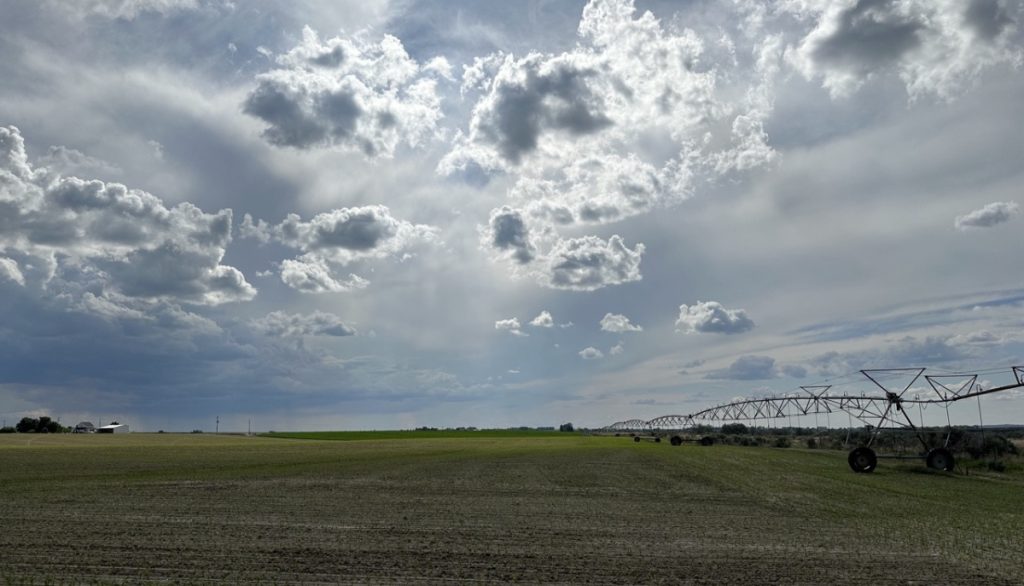
The relationship between irrigation and child nutrition
There is an assumption that irrigation automatically leads to better food security. But irrigation doesn’t consistently improve nutrition because regions with sufficient water often use […]

An integrated community-based approach to hypertension
Hypertension is one of the most significant chronic health challenges facing older adults, affecting two-thirds of Americans over age 60 and contributing to cardiovascular disease, […]
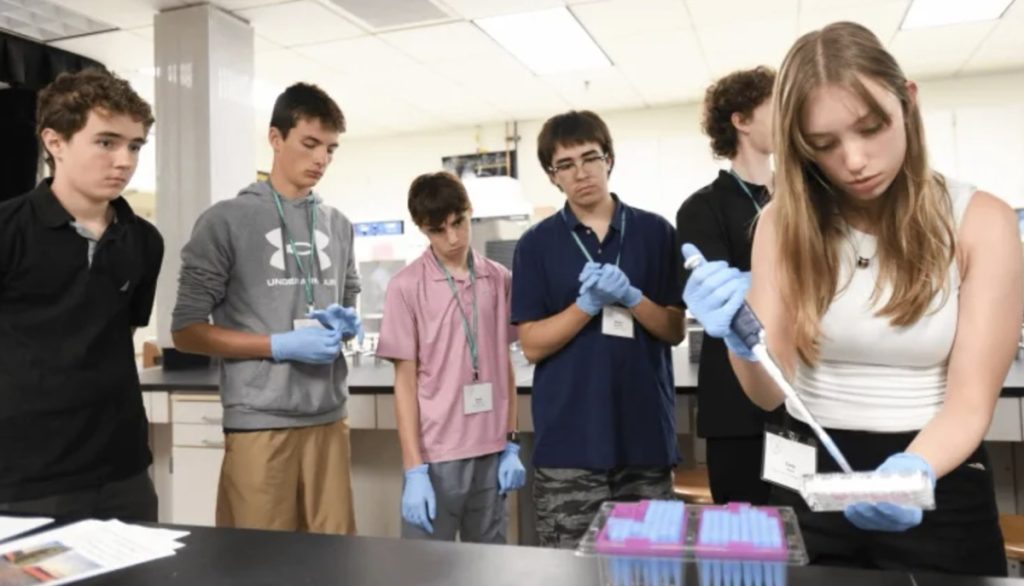
Expanding rural youth access to biomedical research careers
Rural students often have limited access to immersive STEM experiences that expose them to advanced scientific research and biomedical career pathways. Without early engagement and […]

Train-the-Trainer model enhances financial professionals’ ability to increase financial literacy in clients
Finance professionals play a key role in helping American families increase financial literacy and stability. While technology has made it easier for people to learn […]

Land-grant universities help communities tackle stormwater challenges
Across the country, communities face challenges in managing runoff after rainfall. When not properly managed, stormwater can cause flooding, erode land and transport contaminants and […]
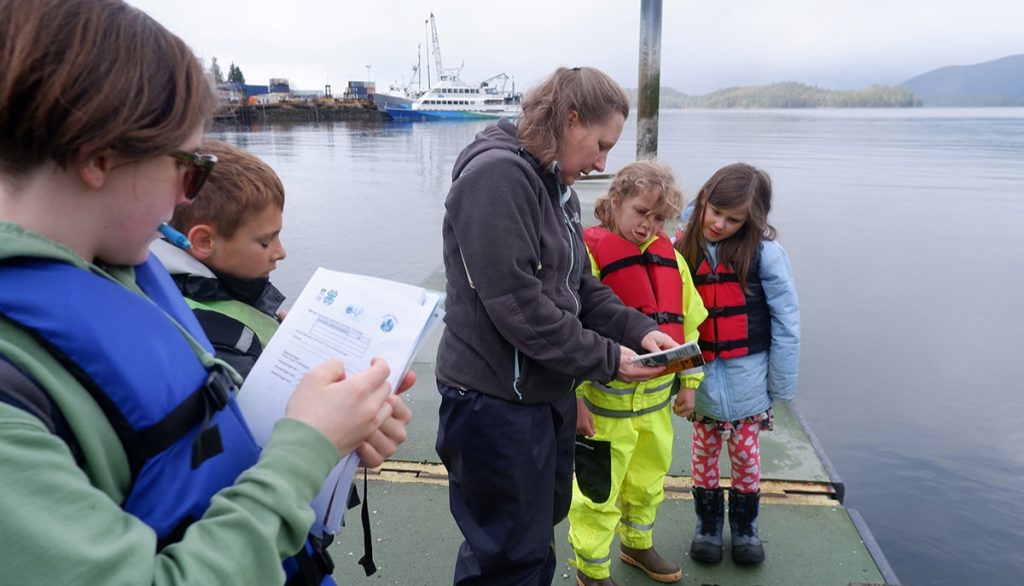
Extension introduces youths to career opportunities in agriculture and STEM
The United States is facing a dearth of skilled and educated workers across the agricultural industry. With many young people being several generations removed from […]

Growing tomorrow’s citizens: Land-grant universities empower youth voices
Civic engagement is essential to youth development because it builds leadership, responsibility, critical thinking and a sense of belonging. Land-grant universities play a vital role […]
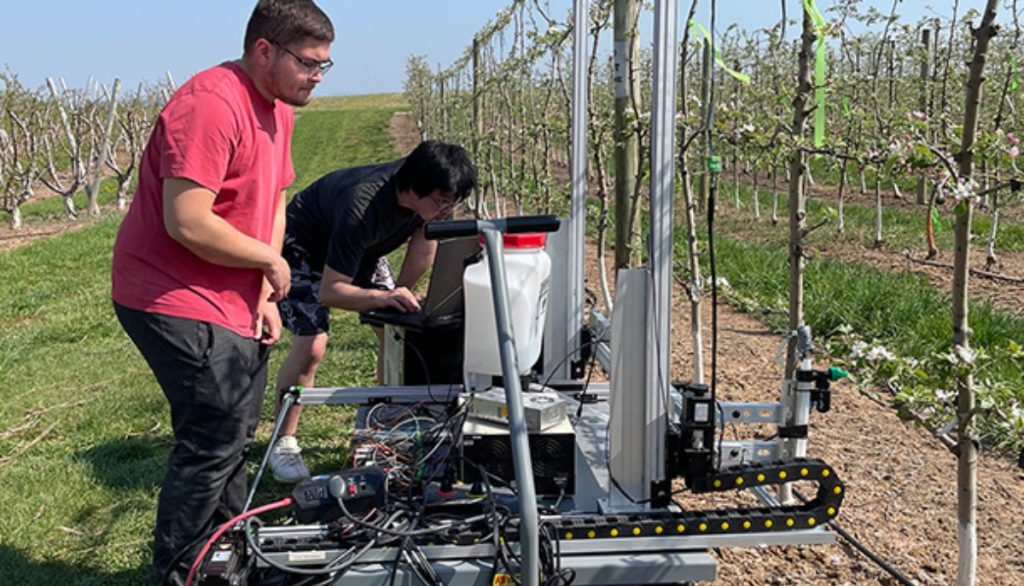
Emerging technology offers new tools for growers
Emerging technology is giving farmers tools to reduce the impacts of labor shortages, rising costs, changing weather patterns and regulatory demands, while improving production and […]
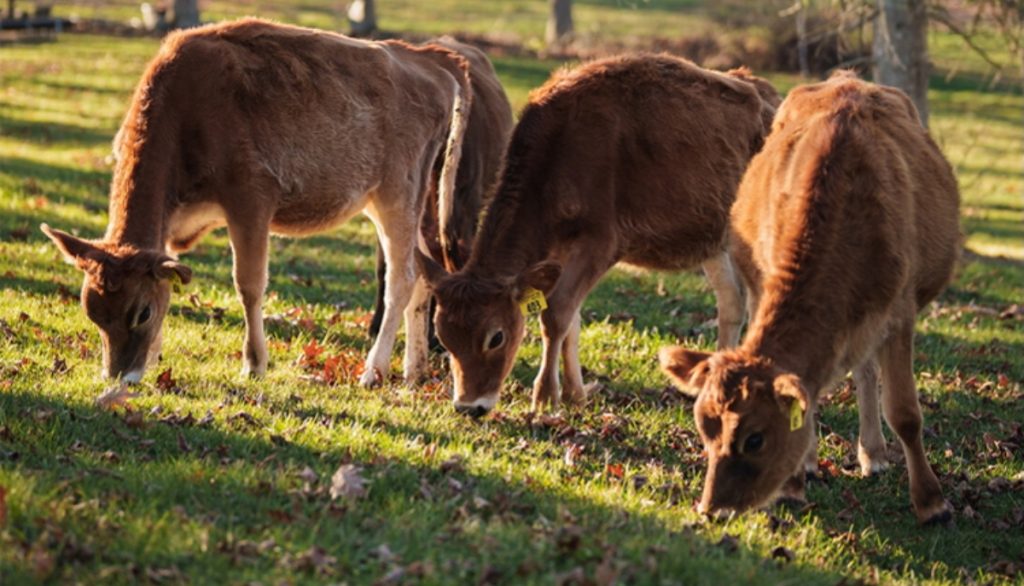
Tech solutions for livestock management
Livestock producers face challenges such a shrinking labor force, limited veterinary access and rising costs. Artificial intelligence, precision agriculture technologies and genome sequencing have shown […]
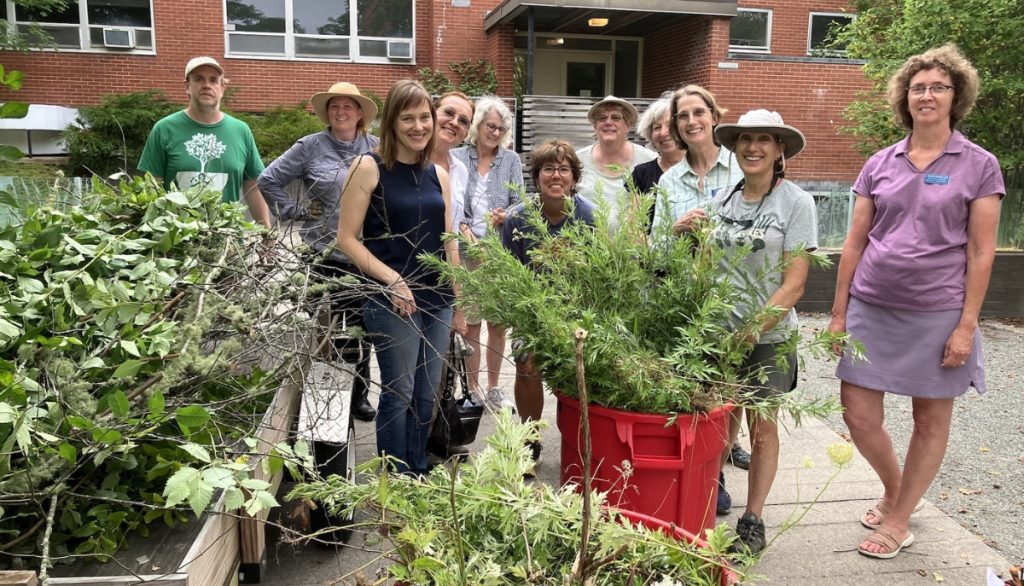
Horticulture programs sprout more resilient communities
Local horticulture is an important tool to combat food insecurity in underserved communities, while boosting environmental sustainability and community health. Volunteers with horticulture training through […]
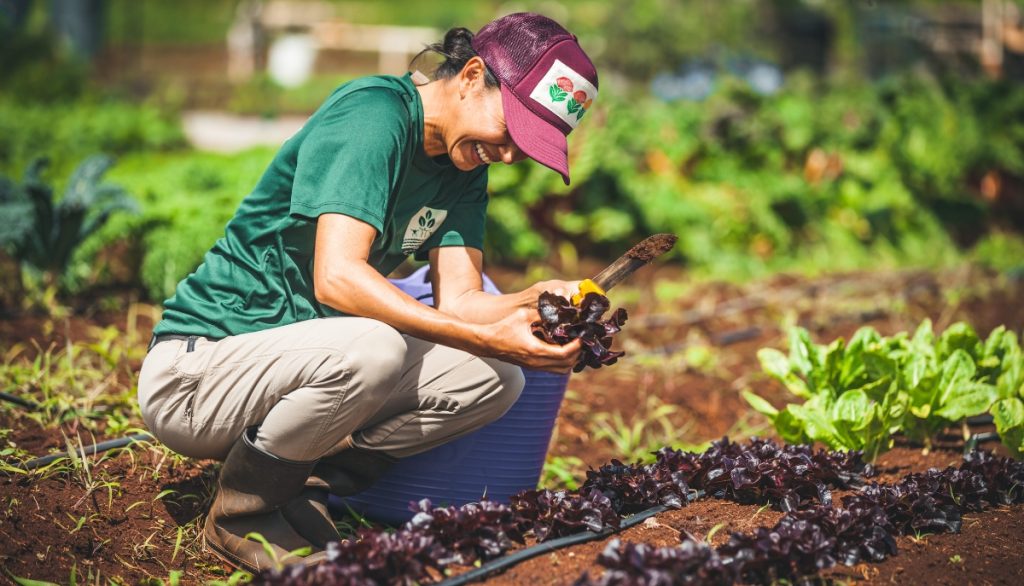
Strengthening the agricultural workforce for the future
The workforce is changing. Across industries and states, trained workers are in demand to support local food systems, meet community needs, ensure safety and increase […]

Empowering community resilience
Community resilience support is a critical function of the land-grant system because it equips individuals, families and local organizations with the knowledge, tools and partnerships […]

Protecting private forests by growing good stewardship
More than half of forest land in the United States is privately owned. This land produces nearly all of the harvested timber that is used […]
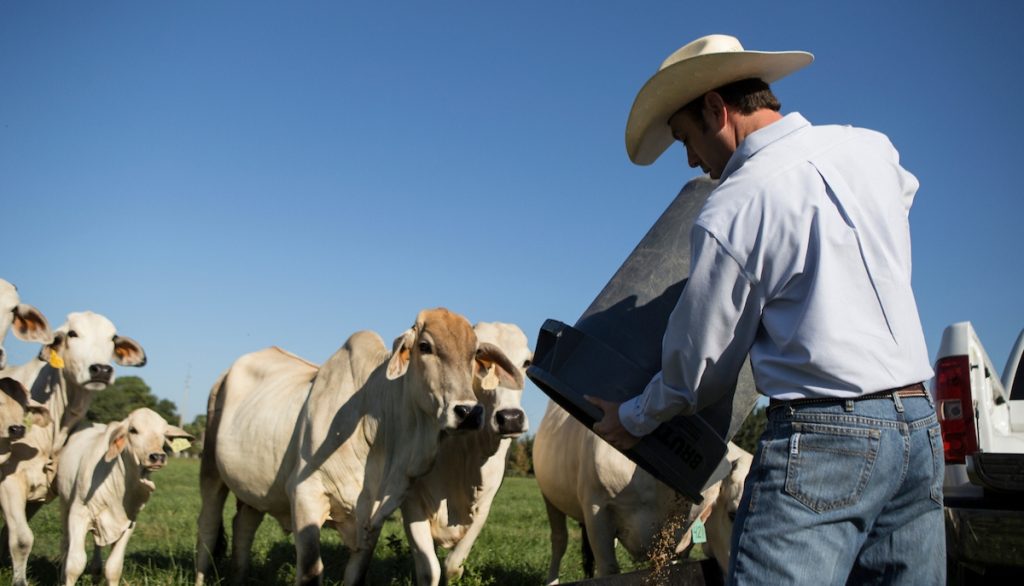
Confronting farm stress through research, Extension
Across the Land-grant University System, outreach and research-based work are critical to strengthening the health, safety and well-being of agricultural communities. By pairing scientific evidence […]

Strengthening water quality across landscapes
Access to clean, reliable water for communities, ecosystems and agriculture is increasingly threatened by issues such as nutrient pollution and emerging contaminants. Land‑grant universities are […]

Gut microbial research promotes better health, prevents chronic illness
Gut microbial research is important because the microbes living in the digestive system play a central role in human and animal health. They help regulate […]

Even when farmers adapt to extreme weather, crop losses continue
A first-of-its-kind study analyzed the real-life measures that farmers worldwide are taking to combat reduced yields due to higher temperatures, drought conditions and other extreme […]
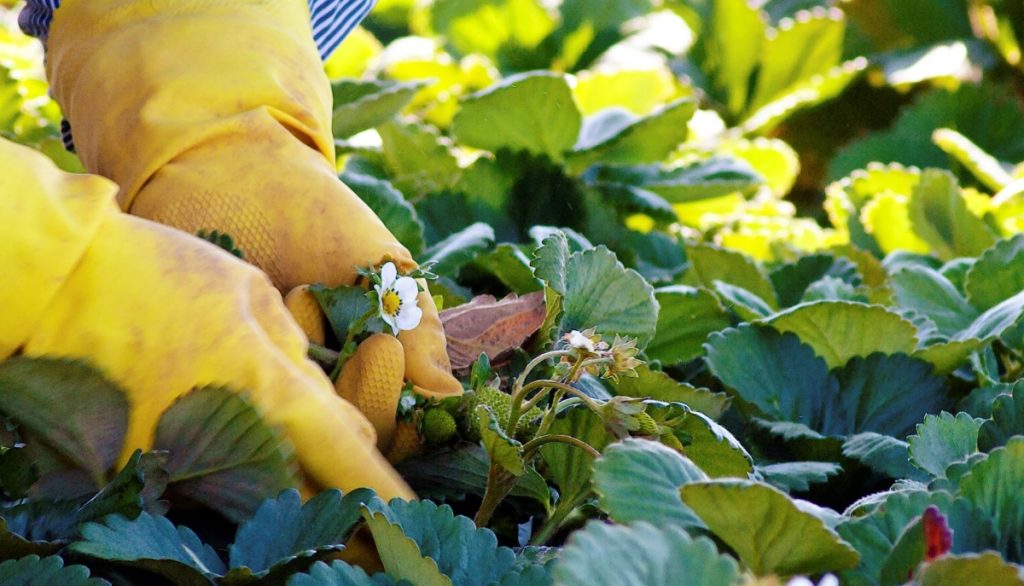
Research helps increase specialty crop profitability
Specialty crop growers provide popular products to consumers. There are many challenges to growing the products commercially. Land-grant universities support growers with research and resources […]
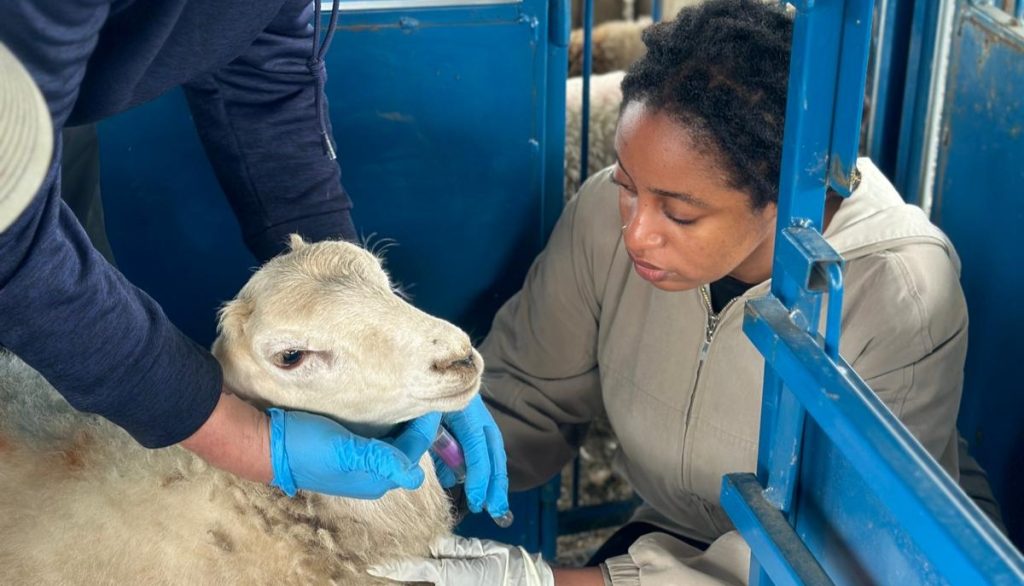
Enhancing food safety with research and training
The United States food supply is among the safest in the world, but every day news stories report food recalls for a variety of safety […]

Improving financial literacy and well-being in adults
Adults in the U.S. often struggle with financial well-being. They face challenges including insufficient savings, debt struggles and confusion around changing tax codes. The Land-grant […]
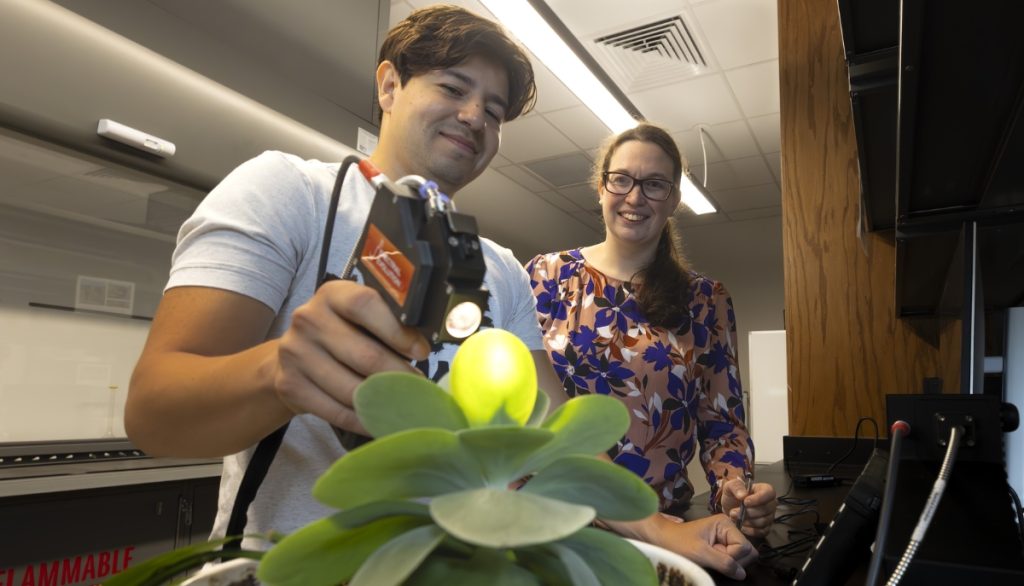
Building resilient agriculture through pest management
Land-grant university pest management programs strengthen agricultural resilience by delivering research-based education that helps farmers manage pests more effectively and safely. These programs improve pest […]

Extension trainings keep Americans safe from foodborne illness
Foodborne illness is a widespread, costly public health concern in the United States. Each year, one in six Americans becomes sick from contaminated food, leading […]

Preparing for extreme weather
Extreme weather can affect communities, farms, businesses and livelihoods. These weather events, such as drought, wildfires and flooding can pose harm to people, livestock, plants […]

Making aquaculture more productive, safe and economical
The seafood industry is economically vital and provides an important source of protein for the world. Challenges to aquaculture include inefficient production methods, expensive feed […]

Growing food security in urban spaces
Urban communities continue to face persistent constraints related to food access, limited growing space and water availability. Urban, small-scale food production, including controlled environment agriculture […]

Improving food and nutrition knowledge and skills
The Expanded Food and Nutrition Education Program (EFNEP) helps adult and youth participants improve their nutrition and health. It promotes budget-friendly food choices by teaching […]