Increasing food security with better food products
Ensuring an adequate supply of safe and nutritious food requires improving existing food varieties and innovating to develop new ones.
Here are a few examples of how land-grant universities are contributing:
- Researchers in Washington generated more than 25 unique lines of rainbow trout with many more in the pipeline. Using biotechnology, they are developing commercial trout lines with enhanced production and sustainability traits.
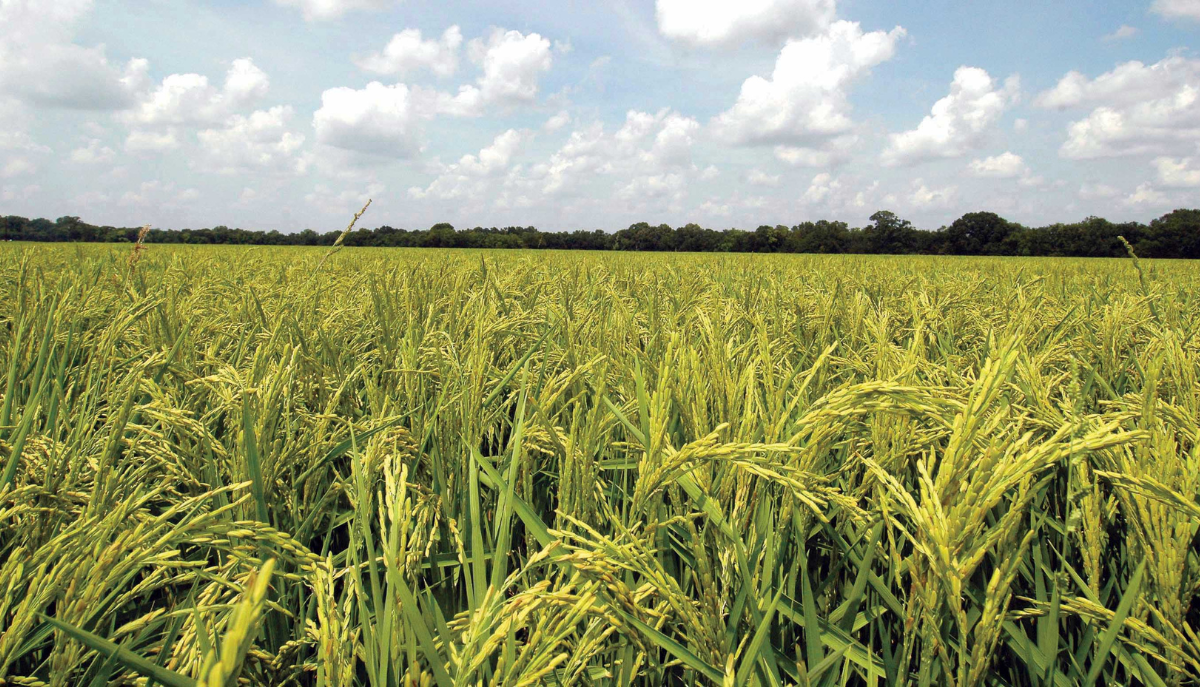
Washington State University; project supported by AFRI and USDA Capacity – Research funds. See full statement. - In Arkansas, rice production research compared the value of increasing yields versus improving the rice milling process. By making the milling process better, high-quality rice production was possible with less water use, less food waste and improved profits for producers.
University of Arkansas; project supported by state appropriations and Hatch funds. See full statement. - Higher-yielding Valencia peanuts are being developed in New Mexico. This variety also has superior nutritional quality and better stress tolerance.
New Mexico State University. See full statement. - Climate change is increasing the population of jellyfish. Researchers in Georgia are looking at the potential for cannon ball jellyfish, an edible variety, to be developed as a source of novel marine-collagen products including gelatin and peptide powders.
University of Georgia; project supported by Hatch and USDA Capacity – Research funds. See full statement.
Photo courtesy LSU AgCenter.