
Preparing for extreme weather
Extreme weather can affect communities, farms, businesses and livelihoods. These weather events, such as drought, wildfires and flooding can pose harm to people, livestock, plants and water quality. As extreme weather becomes more frequent and more intense, land-grant universities are equipping farmers, ranchers and communities with the proper tools to be prepared for and recover from its impacts.
Here are a few examples of that work:
- Extension professionals in New York hosted a 12-week program to train residents on the science, impacts and solutions for extreme weather events. The program aims to provide research-based information on extreme weather to help New York residents and communities adapt. People who complete the training then work on a project to help their community, focusing on initiatives such as reducing waste and improving energy efficiency, empowering their communities to develop a deeper understanding of extreme weather issues and how to address them.
Cornell Cooperative Extension. Supported by Smith-Lever (3b&c) capacity funds. See full statement.
- Researchers in Arkansas developed an interactive web tool that maps drought severity across the state. The study found a noticeable increase in short-term spring drought conditions, showing agricultural lands and grasslands to be the most vulnerable. Meanwhile long-term data suggested some areas may see wetter conditions over time. The drought web platform gives the state’s agricultural community tools to make informed decisions on crop planning.
Arkansas Agricultural Experiment Station. Supported by McIntire-Stennis capacity funds. See full statement.
- A collaborative office in Wisconsin hired new staff to ramp up outreach and programming on shifting weather patterns. In 2025, the office hosted listening sessions in rural communities to hear their concerns and needs related to extreme weather. Participants from one session said it made them more knowledgeable about extreme weather impacts. These programs help educate people about the past, current state and projected future of extreme weather.
University of Wisconsin Extension. Supported by Smith-Lever (3b&c) capacity funds; USDA competitive funds. See full statement.
- Vermont researchers led a new national study that highlights a disconnect between the perception of flood risk and the official Federal Emergency Management Agency flood hazard maps. The study surveyed 953 people and found 50% of respondents aligned with FEMA maps, but more than 27% were uncertain about their flood risk. And among respondents living in FEMA-designated floodplains, 57% perceived a lower flood risk than FEMA estimates. With flood frequency and severity increasing over time, addressing perception gaps will help buildcommunities that are more prepared and recover quicker from extreme weather.
University of Vermont Extension. See full statement.
- Extension staff in Texas launched an online course to give farmers, ranchers and land managers the tools they need to prepare for and better manage the consequences of drought. The program taught people how to develop a drought management plan, minimize the economic impact to their farm and manage nutrition and forage to keep their herd healthy. Participants reported an average economic benefit of $8.75/acre for every acre managed.
Texas A&M AgriLife Extension. Supported by state appropriations; Smith-Lever (3b&c) capacity funds. See full statement.
- Utah researchers analyzed geospatial data and erosion behavior to identify which watersheds and reservoirs may see the greatest risk of erosion and flooding from wildfires. They evaluated the wildfire vulnerability of the state’s largest 137 reservoirs. The research showed runoff from erosion after a wildfire can reduce a reservoir’s water capacity, increase flood risk and result in water treatment challenges. Identifying the waterways most exposed to wildfire impacts can help emergency response preparedness, forest fire management and watershed restoration projects. It also ensures residents and farms have access to clean water.
Utah Agricultural Experiment Station. See full statement.
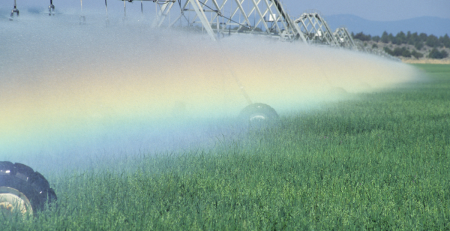
Photo courtesy of Lance Cheung/USDA.