
Helping farmers affected by natural disasters with their mental health resiliency and safety
Drought, flooding and fire risk increasingly impact the mental health and safety of farmers, who are already less likely to seek mental health support. Ensuring the well-being of food producers ensures sustainability and resilience of our agricultural sector.
To address issues of drought and water scarcity affecting farmers’ mental health, Oregon State University Extension and community programs in southern Oregon formed a working group to help food producers better understand and manage stress related to weather uncertainty.
The team developed a 30-minute module on natural disaster-related stress and grief for food producers. Survey results showed 100% of respondents reported increased awareness of emotional impacts of our changing climate after attending the training, and nearly 95% felt more confident in accessing needed resources after the training.
Project supported by USDA Competitive funds. See the full statement.
Wildfires are burning longer, larger, hotter and faster than ever before. Agricultural producers are increasingly factoring in the risk of fires, which present economic and public health threats. Understanding the relationship between wildfires and farmworkers’ health and safety will help researchers identify strategies to bolster national food security while mitigating dangers and increasing the safety and wellbeing of farmworkers.
Researchers at the University of Wisconsin–Madison partnered with a grassroots farmworker organization in California’s Sonoma and Napa counties (“wine country”) to survey 97 farmworkers about their experiences. In the survey, respondents were asked about workplace safety, personal impacts of wildfires and employer responses to such crises. Most workers experienced loss of income; almost half experienced mental, emotional and physical health impacts. The researchers are in conversation with a grower association to extend the survey and consider growers’ management strategies due to wildfires.
Project supported by Hatch funds. See the full statement.
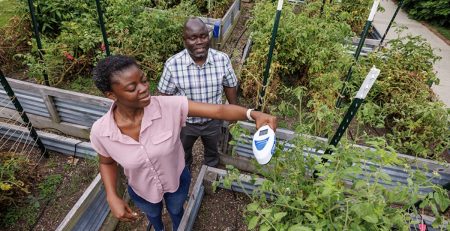
Photo courtesy of Oregon State University Extension Service.