Creating new, sustainable products from agricultural waste and biomass
Petroleum and other nonrenewable materials are commonly used for plastics, industrial chemicals, pharmaceuticals, cosmetics and other products we use on a daily basis. But many of these products can be made from biomass, including food and agricultural wastes. Bioproducts offer a way to improve energy security, food security and national security while also cutting back on fossil fuel-related pollution and climate change. Biobased industries can also generate new jobs and economic activity, provide farmers additional revenue streams and reduce the need for incineration, landfills or other disposal methods that contribute to global warming and harm human health and the environment.
Here are a few examples of how land-grant universities are contributing:
- Scientists in Washington developed technology to convert potato peels to high-value products that can be used in functional food and nutraceuticals. This technology could also be applied to other fruit and vegetable processing operations.
Washington State University; project supported by AFRI funds and state appropriations. See full statement. - Studies have shown that a form of vitamin K (MK-7) can help prevent heart disease, strokes, osteoporosis and other diseases, but foods do not provide enough of the vitamin for effective therapies. Researchers in Pennsylvania developed a new method using a biofilm reactor that is cheaper than current methods and produces MK-7 supplements that are twice as concentrated.
Pennsylvania State University; project supported by Hatch Multistate funds. See full statement. - Biosystems engineers in Alabama are turning poultry litter into biogas and fish feed. Creating useful bioproducts from this plentiful waste would provide additional revenue for poultry farmers and reduce runoff from poultry litter piles, which causes scum that ruins swimming and boating, clogs water-intake pipes and can be toxic to fish.
Auburn University; project supported by Hatch funds. See full statement. - In a first-of-its-kind pilot project, researchers in Virginia are developing a modular bioprocess-ing system that will provide a blueprint on how to produce affordable biodegradable bioplastics from food waste at a national and global scale.
Virginia Tech; project supported by USDA Capacity – Research funds. See full statement. - In Arkansas, studies suggested that biochar, a charcoal-like substance made from biomass, can be added to absorb and degrade harmful chemicals in the soils and improve crop yields.
University of Arkansas at Pine Bluff; project supported by USDA Capacity – Research funds. See full statement. - Studies in Michigan showed that, when applied to land, biochar can sequester carbon in the soil so it is not released as a greenhouse gas.
Michigan State University; project supported by Hatch Multistate funds. See full statement.
Working together to create biobased systems and products
As part of a multistate project, scientists, engineers and educators at land-grant universities are working together to provide the information, tools, technology and skills needed to successfully deploy sustainable biobased systems and bioproducts.
The team has enhanced existing biomass feedstock and identified new biomass sources. For example, researchers in California found that low-value lactose from large dairy manufacturing sites can be used to affordably produce a biodegradable biobased plastic that can be used in packaging films and containers. Scientists in Illinois extracted pigments from corn to use as a safe, natural food dye.
Researchers in Wisconsin found that forest residues could be used in aerogel biosorbents that remove toxic heavy metals from water bodies. Experiments by scientists in Virginia could result in biobased nanocellulose that helps heal wounds. In Kentucky, researchers showed that industrial hemp can be used in numerous bioproducts and could be a major commodity crop in the southern U.S.
Project members have also developed technically feasible, cost-effective, sustainable technologies for converting biomass into useful bioproducts. For example, researchers in Texas used agricultural wastes and biochar to produce graphene that can be used in biobased capacitors, semiconductors, 3D printer inks and more. Scientists in South Dakota discovered a process that efficiently isolates cellulose nanocrystal and nanofiber from sawdust and corn stover so it can be used in biopolymers and “smart” fertilizer.
In addition, models, pilot tests, workshops and other efforts have facilitated adoption of biobased systems and products. For example, scientists in Michigan and Ohio calculated the life cycle sustainability and costs of new biobased products and processes, which helps policymakers, farmers and processing companies make decisions. In South Carolina, researchers designed pond systems that sustainably produce biomass and biofuels while also capturing carbon and worked with Clemson University facility services to adopt the systems.
University of California, Davis, Clemson University, University of Illinois, University of Kentucky, Michigan State University, University of Minnesota, Ohio State University, South Dakota State University, Texas AgriLife Research, Virginia Polytechnic Institute and State University, University of Wisconsin; projects supported by Hatch Multistate funds. See full statement.
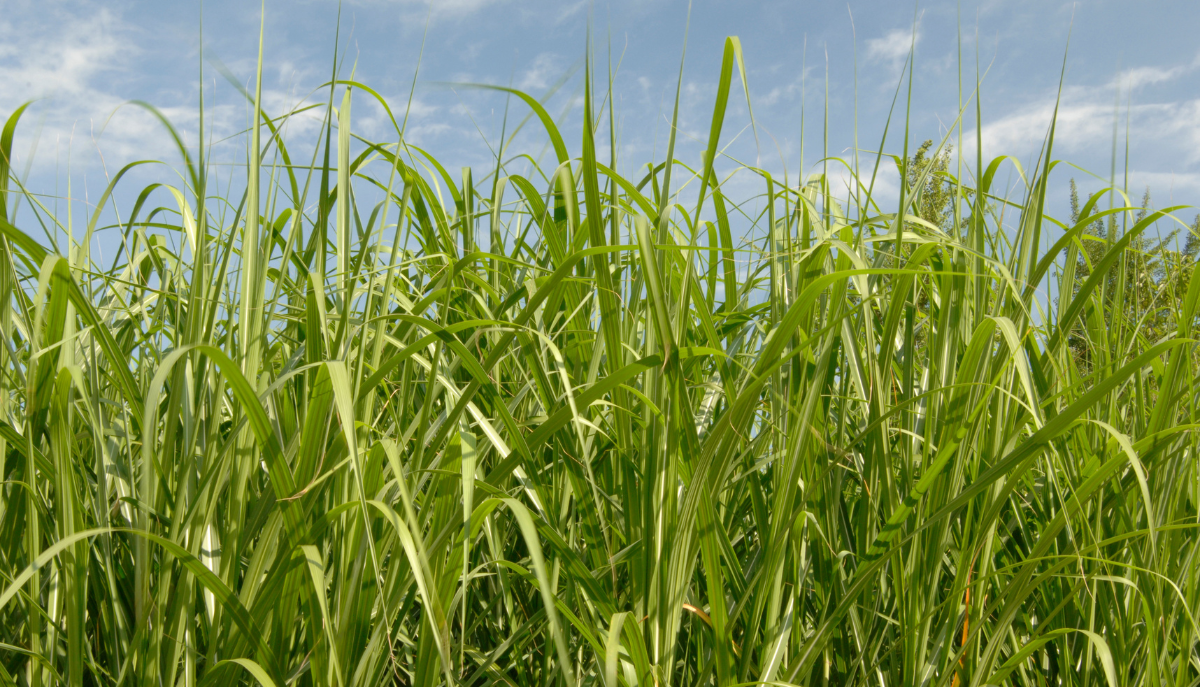
Photo courtesy USDA.