New Hampshire researchers study how small mammals adapt when forest seed cycles shift
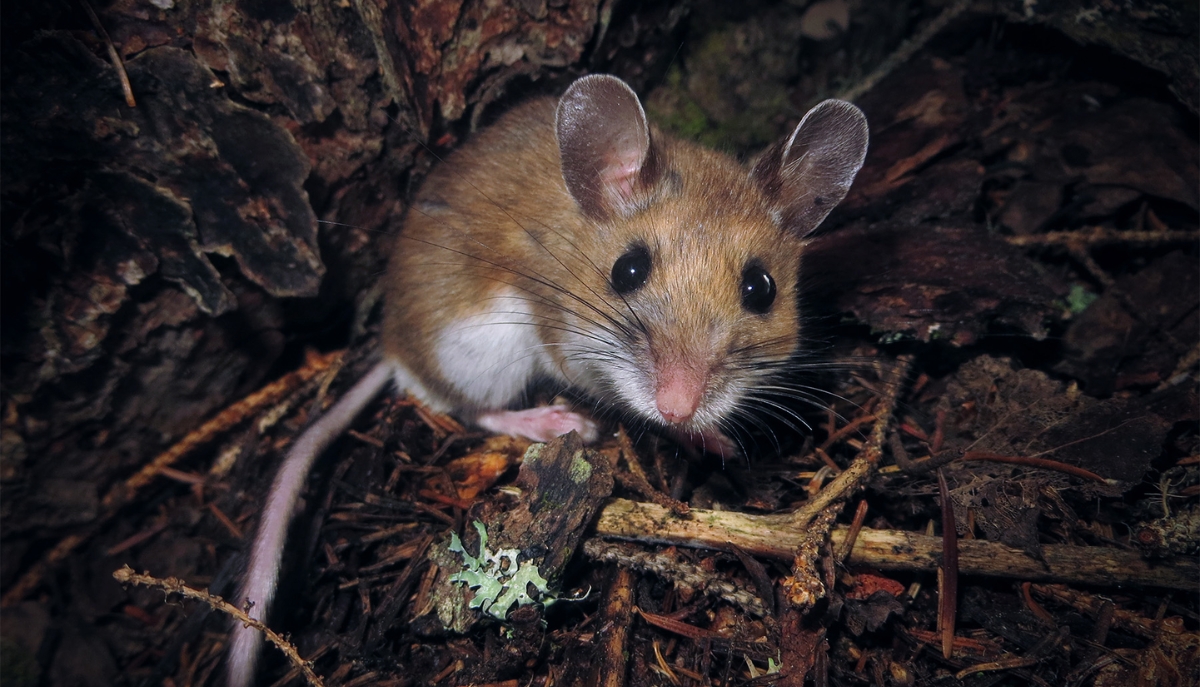
Interactions between plants and animals are key to the biodiversity and long-term ecological resilience of forests. Small mammals such as mice, voles and shrews play an essential role in this system by dispersing seeds, allowing new trees to grow. Because seed production can fluctuate dramatically from year to year, especially during large “masting” events, understanding how these animals adjust their behavior is critical for predicting how forests respond to environmental changes.
To address this knowledge gap, scientists from the New Hampshire Agricultural Experiment Station partnered with the U.S. Forest Service Northern Research Station. They launched a 12-year study that examined how five small mammal species adjust their reproductive timing based on seed availability from common tree species like American beech and eastern hemlock.
The researchers found that small mammals shifted their reproductive schedules by as much as 79 days depending on seed abundance while maintaining consistent litter sizes. Species responded in distinct ways: Deer mice timed breeding to align with peak seed fall while voles reproduced in both mast and non-mast years by relying on alternate food sources such as fungi. These behavioral adaptations influence seed dispersal, forest regeneration and the overall ecosystem.
Understanding how food availability shapes broader processes can help forest managers and policymakers create science-backed strategies for maintaining biodiversity and ensuring resilience.
New Hampshire Agricultural Experiment Station | Project supported by Hatch capacity funds. Photo courtesy of New Hampshire Agricultural Experiment Station.