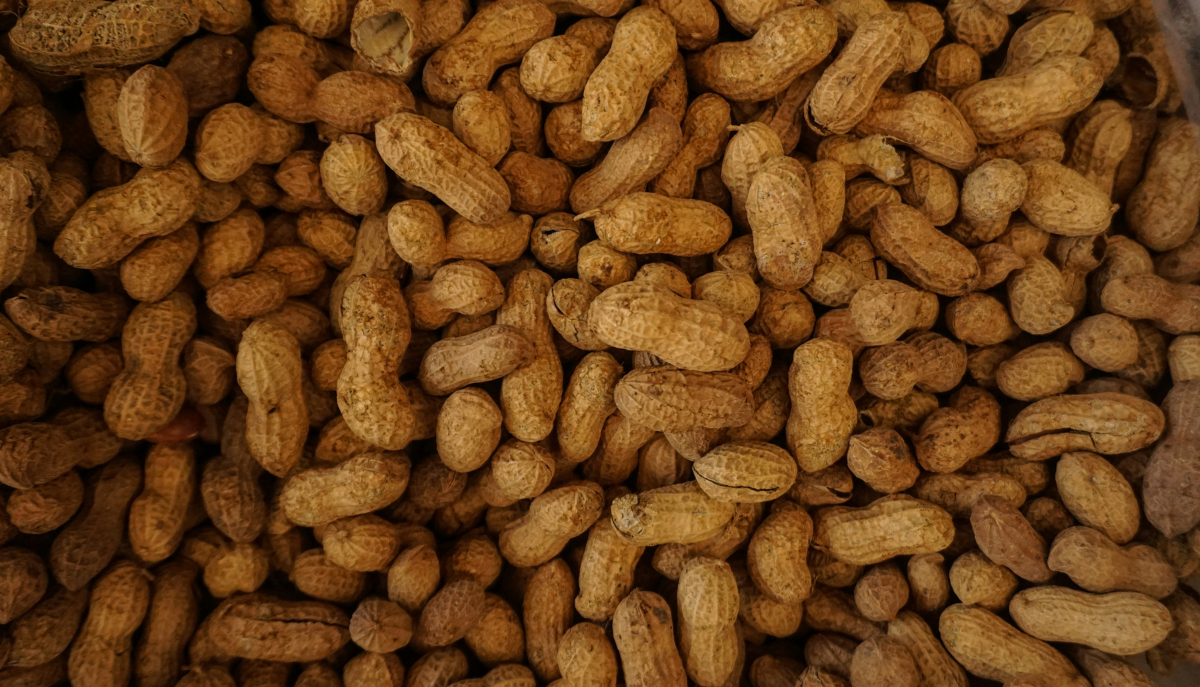
Wild peanut varieties source of disease resistance
Cultivated peanuts are plagued by diseases and pests, which make them expensive to grow as use of chemical controls account for more than 30% of the cost of production. Peanuts have little genetic variety, so there is a small pool of resistance genes to combat sickness in this plant.
Wild peanut species, on the other hand, have strong resistances to diseases and pests and are better at adapting to environmental stresses. However, the use of wild species in traditional peanut crossbreeding has been hindered by differences between the number of chromosome sets in the cultivated and wild species.
Work in Georgia is unlocking the genetic potential of wild peanut varieties for crop improvement. The research team has produced new peanut lines that retain less than 5% wild genome while expressing strong pest and disease resistance. These lines are being integrated into elite local varieties through collaborations with breeding programs across the nation.
University of Georgia Agricultural Experiment Station | Project supported by private grants and contracts.