
Using genetics for crop disease resistance
Pests of major crops, including wheat, soybean, potatoes, tomatoes and wine grapes, cost American producers billions in yield losses each year and raise prices for consumers. Pathogens are steadily overcoming current genetic sources of resistance, making continuing efforts to identify and incorporate new genetics critical to reduce losses to farmers and protect markets and food security.
Here are a few examples of that work:
- Missouri researchers have identified what they believe is a new mechanism for genetic resistance to soybean cyst nematode. They are now using gene-editing techniques to express the gene, with hopes to develop new SCN-resistant soybean varieties.
University of Missouri Agriculture Experiment Station. Supported by USDA competitive funds. See full statement.
- The SCN Coalitionprovides practical guidance to soybean farmers through creative outreach, genetic research and development, and a popular online ProfitChecker calculator that estimates likely yield and economic losses due to SCN, based on extensive Iowa field plot data.
Iowa Agriculture and Home Economics Experiment Station. Supported by private grants and contracts; integrated funds. See full statement.
- Idaho scientists identified and cloned a gene resistant to pale cyst nematode in potatoes, with potential to benefit breeding programs for potatoes and even other crops. They have also helped lead efforts to identify germplasm to help potatoes better withstand stress from heat and drought.
Idaho Agricultural Experiment Station; University of Wisconsin Extension. Supported by USDA competitive funds; Hatch Multistate capacity funds. See full statement and additional statement.
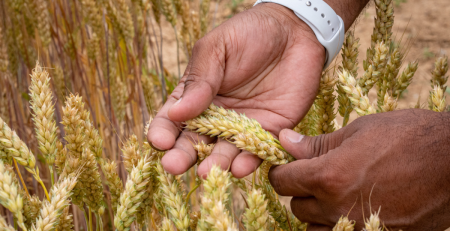
- Wheat is the largest cash crop in Oklahoma, contributing between $500 million and $1 billion to the economy. The state’s cattle industry also depends on wheat acreage for grain and grazing. However, wheat yields are vulnerable to 16 prevalent diseases. Extension educators and researchers there are working to develop disease-resistant varieties, delivering timely disease alerts and conducting outreach efforts to help assure successful wheat production.
Oklahoma Cooperative Extension Service; Oklahoma Agricultural Experiment Station. Supported by Smith-Lever (3b&c) capacity funds; private grants and contracts. See full statement.
- Tomatoes are an important cash crop for Ohio growers, but harvests are always at risk from disease. Researchers there have identified plants with strong natural resistance and used modern breeding tools to develop tomatoes that can fight the common disease bacterial spot, with improved varieties already reaching growers.
Ohio Agricultural Research and Development Center; Ohio State University Extension. Supported by integrated funds; private grants and contracts. See full statement.
Photo courtesy of University of Missouri Agriculture Experiment Station.