Strengthening Tribal communities through collaboration
Working with federally recognized Tribes, land-grant universities help provide evidence-based education and resources that represent the community’s history customs, governance system and food traditions. These programs promote and improve health, food security and sustainability for Tribal communities.
Here are a few examples of that work:
- Representation and cultural relevancy for Tribal communities is critical for Extension outreach success. Health and nutrition education programs in Michigan are helping Tribes improve access to an adequate supply of safe, affordable food, and keep people healthy by teaching them to increase physical activity and improve the quality of their diets.
Michigan State University; project supported by Smith-Lever (3b&c) funding. See full statement. - In the face of prevalent chronic diseases and exacerbated health disparities, a comprehensive community strategy that promotes engagement in physical activity, with a specific emphasis on strength training, improves the activities of daily living. The Enhancing Health and Well-being Through StrongBodies Program in Wisconsin has helped Tribal communities discover local programs that promote safe, effective and progressive practice of strength training, empowering individuals to enhance the quality of their health and lives.
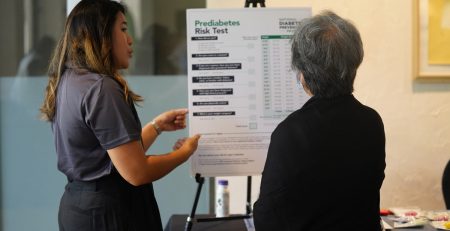
University of Wisconsin; project supported by state appropriations and Smith-Lever (3b&c) funding. See full statement. - Comparatively higher rates of childhood and adolescent obesity leading to Type II diabetes often exist within Tribal communities. Members of Tribal nations in Connecticut have more access to Extension programs that are helping to improve food security, nutrition and health with education on topics including vegetable crops, nutrition, 4-H youth development, business management and livestock.
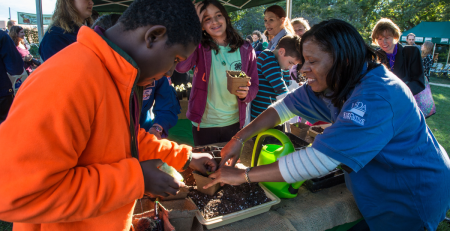
University of Connecticut; project supported by Smith-Lever 3d (EFNEP, Farm Safety, NTAE, CYFAR, FRTEP), Smith-Lever (3bc&d) funds. See full statement. - Gardening education in Oklahoma through Extension partnerships with the Tribal community helps to foster agricultural education and stewardship. The gardening program preserved Tribal and agricultural heritage and increased access to fresh, local produce.
Oklahoma State University; project supported by USDA Capacity – Extension funding and private grants and contracts. See full statement. - Due to their rural locations, Pueblo clients do not always have access to necessary resources. Addressing this issue, the Agricultural and Natural Resources Extension Programs in New Mexico collaborated with Pueblos to improve access to educational and technical assistance to develop and deliver programs and increase literacy while complementing Pueblo values and ways of life.
New Mexico State University. See full statement.
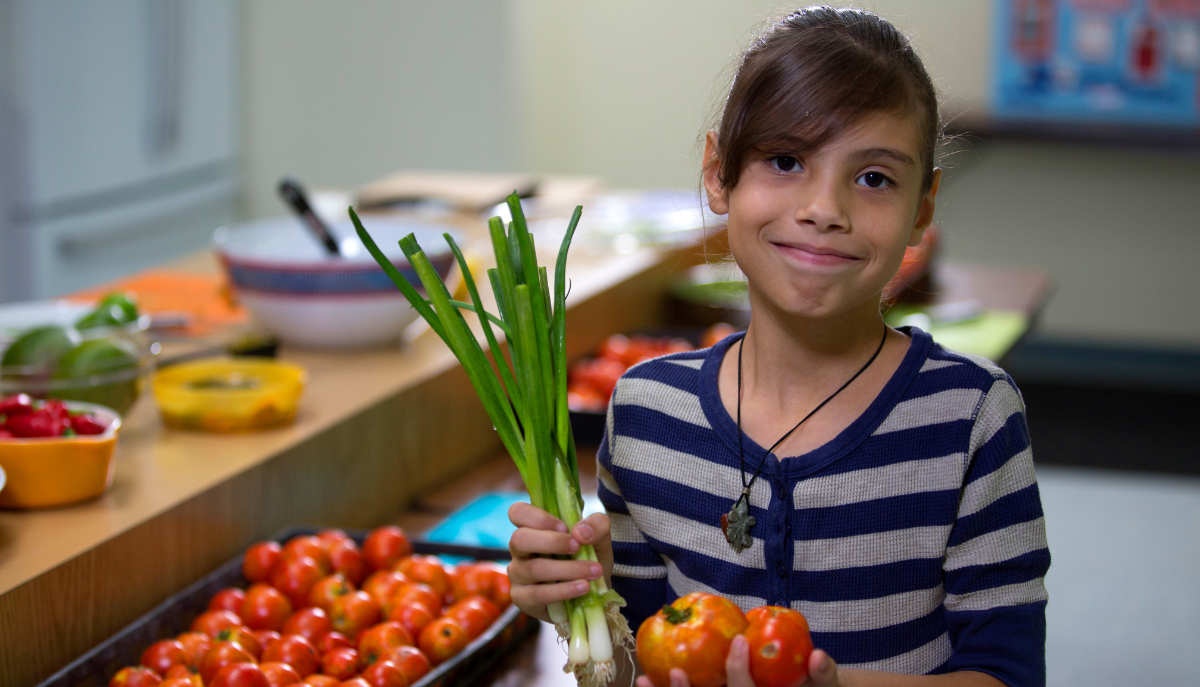
Photo courtesy 4-H National Council.