Expanding food and nutrition education among youth
Early habits among youth often last a lifetime. Extension provides the Expanded Food and Nutrition Education Program (EFNEP) to both youth and adults to improve habits in nutrition, physical activity and food safety. Youth-centered programs help participants develop healthy habits, reduce obesity levels and promote overall well-being.
Here are a few examples of that work:
- Youth in Maine face high rates of food and nutrition insecurity. Extension program participation has nearly doubled and achieved significant improvements in youth nutrition knowledge, daily activity and food preparation skills, advancing long-term health and self-sufficiency.
University of Maine Cooperative Extension. Supported by Smith-Lever 3d capacity funds; Smith-Lever (3b&c) capacity funds. See full statement.
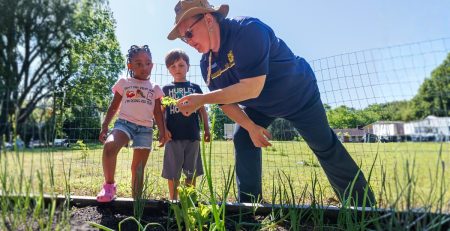
- In Alabama, 30% of youth in an urban EFNEP program improved their diet quality and food resource management, according to evaluation data, while also becoming active participants in promoting healthy habits at home.
Alabama Cooperative Extension System – Alabama A&M University. Supported by Smith-Lever 3d capacity funds. See full statement.
- Over 1,200 youth participated in Delaware, and 87% gained knowledge and improved their ability to choose foods according to federal dietary recommendations. Additionally, 59% improved their physical activity practices.
University of Delaware Cooperative Extension. Supported by USDA Capacity – Extension; state appropriations. See full statement.
- A partnership with schools in Dunbar, West Virginia reached nearly 400 youths in a six- to eight-week series. Among these participants, 84% gained knowledge and improved their food choices aligning with federal dietary guidelines.
West Virginia State University Cooperative Extension Program. Supported by 1890 capacity funds; USDA Capacity – Extension. See full statement.
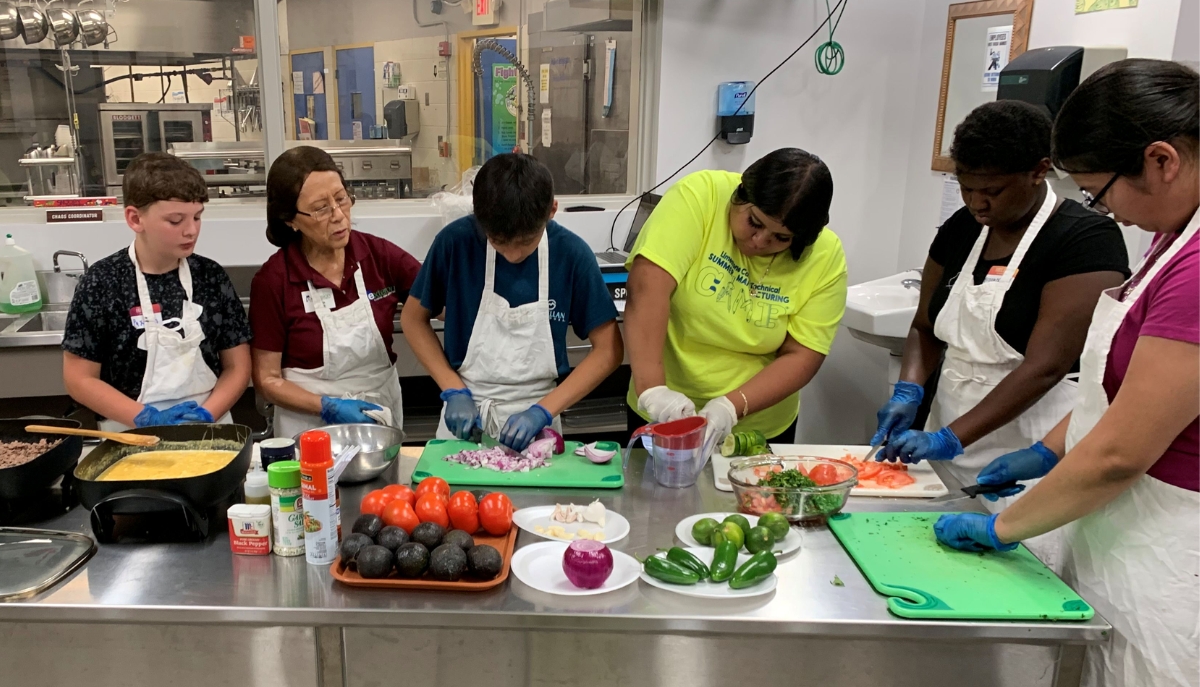
Photo courtesy of Alabama Cooperative Extension System – Alabama A&M University.