
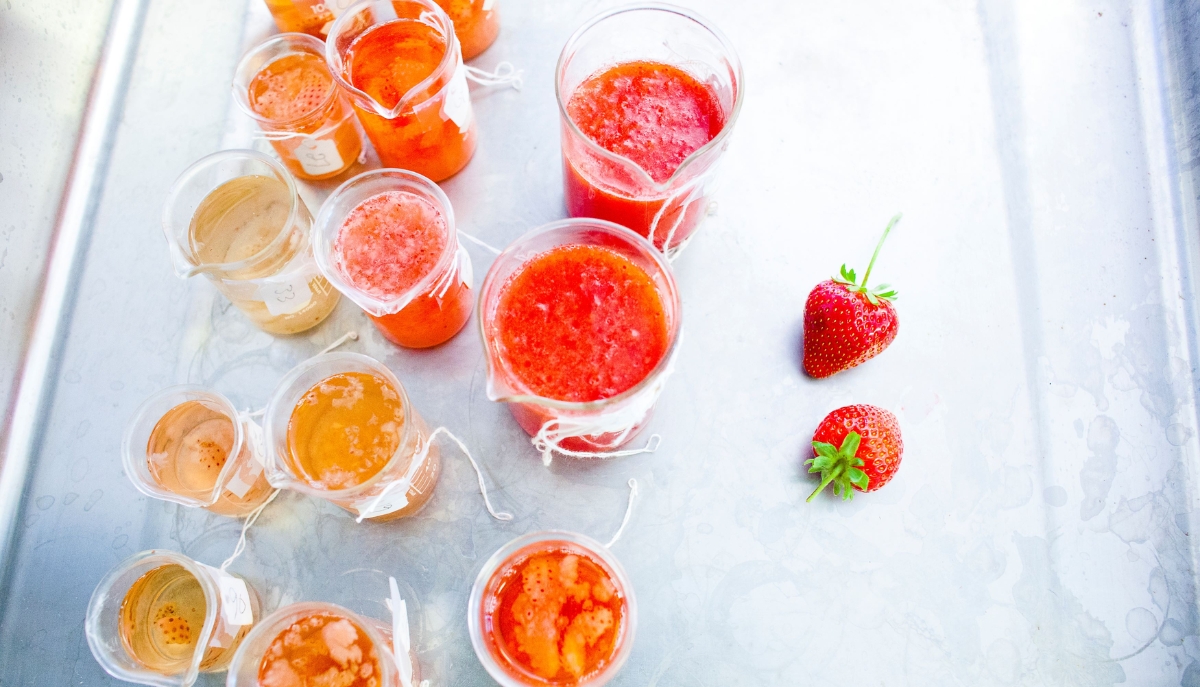
Researchers look to science for healthier, better tasting food and drink
Working to create better tasting and more wholesome foods via science means not only healthier consumers, but also more markets for producers and value-added opportunities for entrepreneurs. At land-grant universities across the country, food scientists work to make sure agricultural commodities and value-added products have the best taste, texture, aroma and appearance possible, without compromising — and sometimes even enhancing — health benefits.
Here are a few examples of that work:
- The nonalcoholic beer market is expanding rapidly in response to consumer health and wellness trends, but flavor remains a significant challenge. Nonalcoholic beers often lack the complexity and depth of their full-strength counterparts. And, while alcohol removal methods exist, they can be expensive and inaccessible to smaller brewers. There’s a growing need for yeast strains that can naturally produce low- or nonalcoholic beer without compromising taste or increasing production costs. Researchers in Arkansas tested 11 commercially available, maltose-negative yeast strains (yeasts that do not ferment maltose — the main sugar in beer — resulting in beer with low alcohol content without additional processing to remove alcohol). The study evaluated each strain’s fermentation speed, sensory attributes and chemical composition. This research equips brewers with guidance for producing flavorful and stylistically diverse nonalcoholic beers using specialty yeast strains. As the category evolves, this study provides useful information for combining tradition, science and creativity in brewing.
Arkansas Agricultural Experiment Station. Supported by USDA competitive funds; state appropriations. See full statement.
- Diet-related health is a major challenge to the American public health system. But even though the elements of a healthy diet and lifestyle are well understood, positive and significant change in the midst of an abundance of processed foods and beverages loaded with highly palatable fat, sugar and salt comes hard for most. Researchers in California investigated how taste and other factors influence people’s food and drink choices, particularly when it comes to adopting healthier and more sustainable eating habits. This research has introduced new strategies for testing consumer preferences and identifying the factors that influence choices for foods like tomatoes, table grapes, sweet foods and beverages. One strategy to modify consumer behavior and to encourage healthier choices is a “sugar flip,” which uses culinary and sensory strategies to boost impression of sweetness and maintain consumer acceptance of drinks that have 25%-30% less sugar. These strategies can pave the way for the development of healthier, viable food options for consumers, which, in turn, will lessen the burden of diet-related challenges on public health systems.
California Agricultural Experiment Station. Supported by Hatch capacity funds. See full statement.
- Human consumption of soybeans is an underutilized market, as a challenge with soy is taste. Although Asian cultures have been using soybean products for centuries, more and more Western consumers are interested in soy products, and farmers hope to offer options for every palate. In a recent study, Missouri food scientists compared the taste and aroma of four soybean varieties — three specially bred by local plant scientists. The variety that yielded the most pleasant flavor and aroma also was designed with a healthier fat profile. This research to enhance the flavor of soy-based foods will also deliver more health benefits and appeal to a wider audience.
University of Missouri Agricultural Experiment Station. Supported by USDA Capacity – Research; non-profit grants and contracts. See full statement.
Photo courtesy of Elena Zhukova/UCOP.