Land-grant universities improve lives through diabetes education, prevention
More than 38 million Americans have diabetes, and nearly 98 million have prediabetes, which costs the U.S. $412.9 billion annually between health care and lost productivity. Those affected often lack access to education that supports day-to-day diabetes self-management. Complications can include kidney disease, heart disease, loss of limbs and vision loss. This prevalent chronic disease is a major contributor to long-term disability, reduced quality of life and premature death. While diabetes is a serious condition, it can be managed through lifestyle changes and medication to help lower the risk of complications.
Here are a few examples of that work:
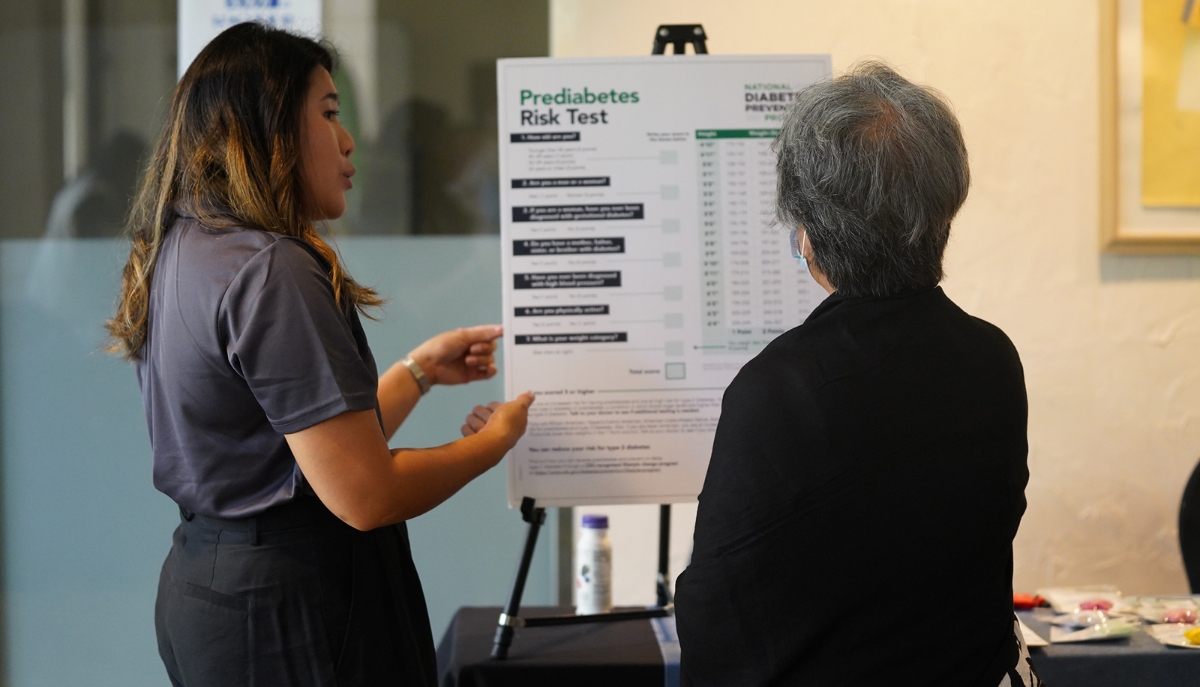
- The Western Pacific region has the highest prevalence of diabetes and prediabetes among adults aged 20-79 globally. Extension educators in Guam launched the CDC’s Prevent T2 pilot program (with plans to expand) to teach individuals at risk of progressing from prediabetes to Type 2 diabetes about modifiable factors like diet, weight and physical activity. The comprehensive year-long program paired participants with dedicated lifestyle coaches and a support group of individuals with similar challenges and goals. Sessions covered goal setting, weight management, heart health, stress management and how to live an active lifestyle. Groups met weekly during the first six months, followed by monthly check-ins for the remainder of the year. Early results show participants achieving weight loss, increasing physical activity and sustaining health behavior changes; long-term monitoring of participant health outcomes continues.
University of Guam Land Grant Extension Service. Supported by Smith-Lever (3b&c) capacity funds. See full statement.
- Extension’s Dining with Diabetes program equips individuals in Indiana with skills to prevent the disease and helps those with diabetes lessen their risk of long-term complications. Participants learn to prepare foods they enjoy with simple modifications and discuss ways to increase physical activity. Weekly goal-setting activities help participants apply the information learned at each session. According to a survey, behavior changes from the program included increases in exercise, fruit and vegetable consumption, reviewing of food labels and preparing balanced meals.
Purdue Extension. Supported by Smith-Lever (3b&c) capacity funds. See full statement.
- In Ohio, Extension expanded access to Diabetes Empowerment Education Program (DEEP) by training and certifying Family and Consumer Sciences educators to serve as DEEP facilitators. In 2025, the program reached 128 individuals with a 62% completion rate, delivering interactive learning experiences focused on nutrition, meal planning, physical activity, stress management, medication management, communication with providers and diabetes complication prevention. Post-program evaluations demonstrated substantial gains in knowledge and confidence in diabetes self-management.
Central State University Extension. Supported by 1890 Extension capacity funds. See full statement.
- In response to urgent need — diabetes is one of the leading causes of death in the state — South Dakota Extension developed a partnership with Huron Regional Medical Center to implement the Better Choices, Better Health South Dakota (BCBH-SD) Diabetes Self-Management Education program. The program focuses on empowering individuals to manage their diabetes while training community health workers to support local education efforts. This initiative aims to ensure more individuals have access to critical diabetes education and peer support, with an emphasis on rural communities, which have been harder hit. In FY2024, expanded community engagement brought the reach across seven counties, connecting more than 35 individuals to workshops.
South Dakota State University Extension Supported by Smith-Lever (3b&c) capacity funds; South Dakota Department of Health. See full statement.
- Extension educators in Texas have developed multiple programs for adults with Type 2 diabetes, those at risk and their support people, including Do Well, Be Well with Diabetes, ¡Sí Yo Puedo Controlar Mí Diabetes! and Wisdom, Power, Control. Extension specialists collaborate with local health professionals to plan and teach classes, which focus on improving blood glucose management. In FY2025, 51% of the nearly 300 participants were able to control their diabetes to avoid interference with daily life.
Texas A&M AgriLife Extension. Supported by state appropriations; Smith-Lever 3d capacity funds. See full statement.
- In 2025, West Virginia Extension partnered with regional health networks to deliver the eight-week Overweight, Obesity and Diabetes Prevention and Management Program (part of the CDC’s Prevent T2 curriculum) across three sites. Sessions incorporated nutrition education, physical activity guidance and group support. The program fosters healthy weight loss, better blood sugar control and sustainable wellness habits. Participants reported increased confidence in managing their health, stronger motivation to make lifestyle changes and improved understanding of nutrition and physical activity strategies that support diabetes prevention.
West Virginia State University Cooperative Extension Program. Supported by 1890 Extension capacity funds; USDA Capacity – Extension. See full statement.
Photo courtesy of University of Guam Land Grant Extension Service.