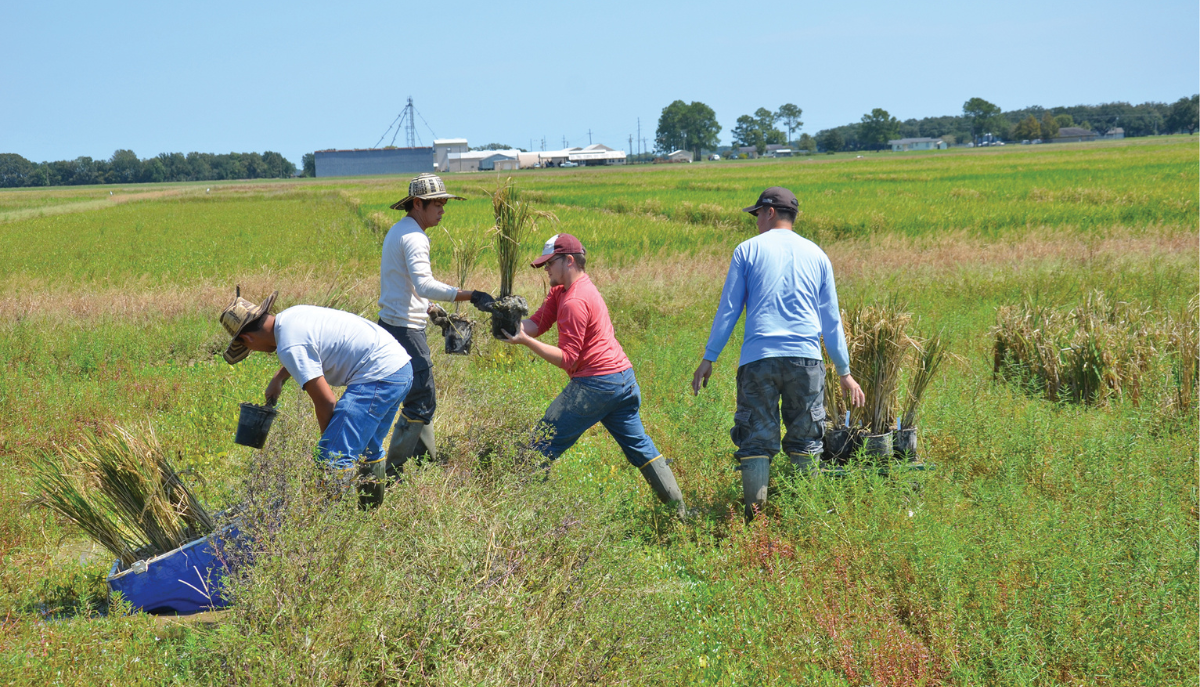
Reaching diverse farms and farmers
Extension educators and researchers across the Land-grant University System reach diverse farmers and farms through programming, information and accessible tools. Their work ensures farming resources are available to all individuals.
Here are a few examples of that work:
- Minnesota Extension launched a pilot project to bring Minnesota-grown goat meat to halal customers. The collaboration has resulted in the first halal certified farm in Minnesota, which is home to 150,000 Muslims, 91 halal grocery stores and a $20 million goat meat market.
University of Minnesota Extension; project supported by Smith-Lever (3b&c) funds. See full statement. - Michigan Extension is providing in-person Pork Quality Assurance training to Amish farmers to help meet the consumer demand for meat packers in the state. The training has allowed 86 participants to receive the mandated training while maintaining their religious and cultural beliefs.
Michigan State University; project supported by Smith-Lever (3b&c) funds. See full statement. - In Texas, Extension educators lead the Rio Grande Valley Small Acreage Program, which benefits disadvantaged farmers and ranchers, young farmers and military veterans through workshops and field days. In 2023 they held 6 trainings, attended by 230 people.
Texas A&M University. See full statement. - In New York, a workshop series titled, “Spray Safe, Spray Well: Reducing Pesticide Use Risks for Beginning Organic Growers and Spanish-Speaking Farmers” has reached over 100 participants. Bilingual recordings of those workshops are now available on YouTube as a permanent resource that has been accessed hundreds of times since 2022.
Cornell University; project supported by Smith-Lever (3b&c) funds. See full statement. - In Georgia, Extension workshops are designed to give women who are interested or involved in agriculture an opportunity to gain hands-on experience in livestock production. Results of follow-up evaluations indicated that 95% of respondents have used techniques or skills learned at the trainings in their personal or family agricultural operations.
University of Georgia; project supported by Smith-Lever (3b&c) funds. See full statement. - Researchers in Pennsylvania have found that women-owned farms in the United States are more common in areas that are closer to urban markets, engage in agritourism activities and offer greater access to childcare. This information can inform more effective support and education programs for women farmers.
Pennsylvania State University; project supported by Hatch Multistate funds. See full statement. - Research by New Hampshire scientists has identified key consumer preferences and barriers in New England’s Alternative Food Networks. This work informs marketing strategies to make the networks more inclusive, enhancing access to locally sourced, sustainable food and supporting the region’s agricultural sector and community well-being.
University of New Hampshire; project supported by Hatch Multistate funds. See full statement.
Photo courtesy LSU AgCenter.