Land-grant universities nationwide work together to sustainably manage nematodes
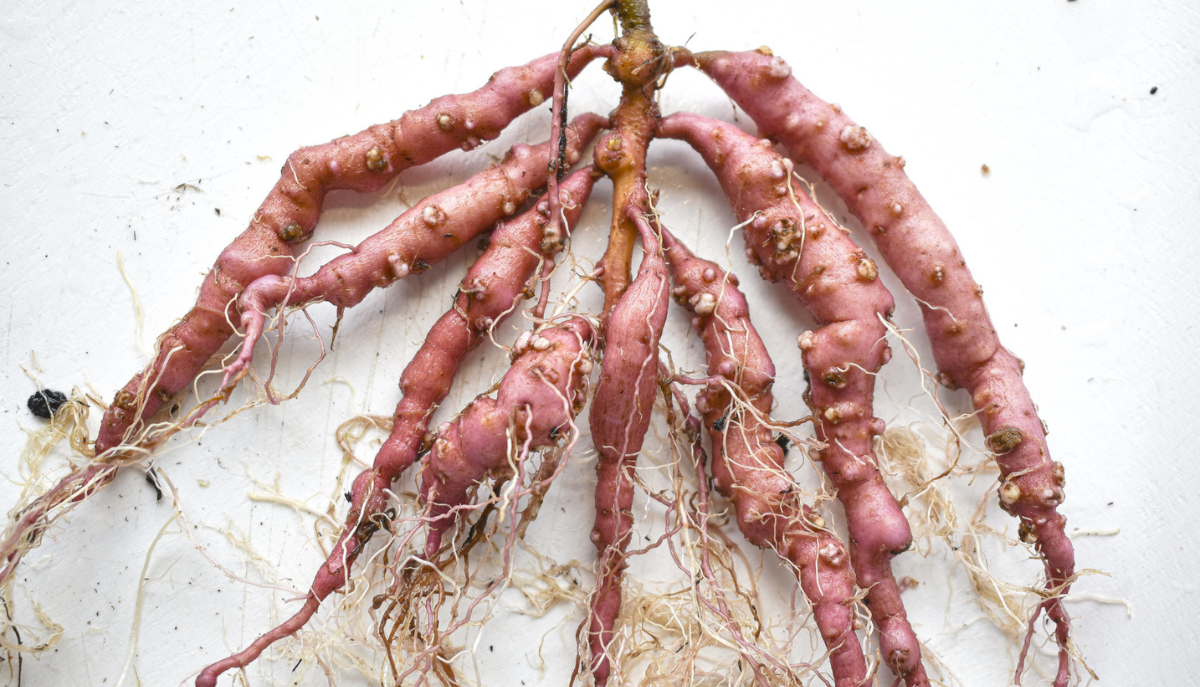
Nematodes are tiny, usually microscopic, roundworms that are incredibly common and widespread. They account for 80% of all individual animals on Earth. Some nematode species are beneficial to agriculture, while others have major detrimental impacts. Plant-parasitic nematodes can lead to poor soil and low crop yields. In the United States, annual economic losses due to nematode infection of crops is estimated at $13 billion. Nematode issues are exacerbated by climate change, which increases nematode occurrence and spread and intensive crop production, which impairs soil quality.
Land-grant university researchers and Extension educators across the nation are working together to find and share simple, reliable low-cost tools and methods for managing nematodes without adversely affecting beneficial species or soil health. The multistate approach brings together scientists with diverse expertise and enables them to share resources and communicate regularly. With project members in 12 states, solutions can be shared widely with diverse stakeholders.
University of Florida researchers detected the sting nematode in Indiana for the first time, expanding the known range of this nematode. Michigan State University researchers published the IPE model, the first and only model to link nematode numbers to a specific soil health value. University of Hawai’i tracked the changes of nematode communities and showed that regenerative agricultural practices are benefiting soil health over time. Project members at the University of California, the University of Connecticut, Cornell University in New York and the University of Tennessee have developed non-chemical alternatives.
Project members have created numerous Extension materials and held multiple workshops related to plant-parasitic nematodes and soil health. This information has convinced more farmers to adopt soil-safe nematode management practices. Information and outreach have also influenced crop consultants, industry and government. To ensure continued advances in nematology, project members have committed to training future generations of researchers and Extension professionals.
Project supported by Hatch Multistate funds. Photo courtesy USDA.