Growing food security in urban spaces
Urban communities continue to face persistent constraints related to food access, limited growing space and water availability. Urban, small-scale food production, including controlled environment agriculture such as greenhouses and vertical farming, is a rapidly growing part of local food systems. These systems support food security, environmental sustainability and community resilience.
Here are a few examples of that work:
- A program to train urban growers in Kentucky engaged 30 people from areas historically affected by limited access to fresh produce, economic disparities and environmental stressors. Participants received classroom and hands-on training in soil health, urban agriculture, pest and disease management and organic practices. Graduates of the Urban Growers Program also received a set of horticulture tools to boost community-driven food production and conservation practices that improve health outcomes and neighborhood vitality.
Kentucky State University Cooperative Extension Program. Supported by USDA Capacity – Extension; USDA competitive funds. See full statement.
- A monthly online forum in Ohio provides learning opportunities for greenhouse and vertical farm stakeholders, offering practical information and building a strong community of growers across the controlled-environment agriculture sector. By connecting growers with science-based information, the Indoor Ag Science Café supports informed decision making and helps strengthen controlled-environment agriculture across the industry.
Ohio Agricultural Research and Development Center; Ohio State University Extension. Supported by integrated funds. See full statement.
- An initiative in Connecticut is creating a structured pathway to connect urban farmers with suitable land and agricultural-friendly leases, helping communities make productive use of underutilized spaces, increasing access to locally grown foods, supporting local economies and strengthening food system resilience. This work provides a model for other densely populated regions seeking to integrate agriculture into urban environments.
University of Connecticut Extension. Supported by Smith-Lever (3b&c) capacity funds. See full statement.
- Extension educators in Texas taught practical space-efficient food production methods across multiple urban and near-urban counties, including microgreens production; container and raised bed gardening; hydroponics and aquaponics; rainwater harvesting, and pollinator- and agroforestry-based practices. This outreach equips residents with scalable, space-efficient food production strategies and creates entry points for microenterprise development, youth engagement and strengthened neighborhood food systems.
Prairie View A&M University Cooperative Extension Program. Supported by 1890 Extension capacity funds. See full statement.
Reviving a community with a garden
An Extension partnership with local and municipal groups helped turn an overlooked community garden in an Ohio neighborhood into a shared resource that promotes healthy eating and life skills and provides opportunities for neighbors to learn, share and celebrate together.
The project also tackles food insecurity by creating an educational hub to teach people of all ages how to grow healthy and nutritious food, particularly seasonal vegetables and herbs, and building trust between residents and public spaces to create a stronger sense of community.
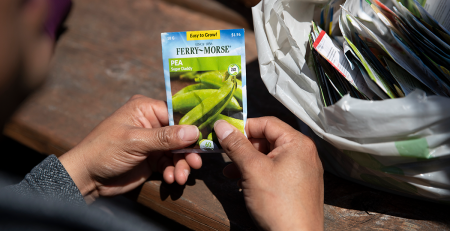
Monthly themed events are aligned with a Fast Track Farming topic and include hands-on activities like seed starting, herb scavenger hunts or food demonstrations. Children in the Youth Garden Club serve as ambassadors, guiding visitors and promoting healthy food practices.
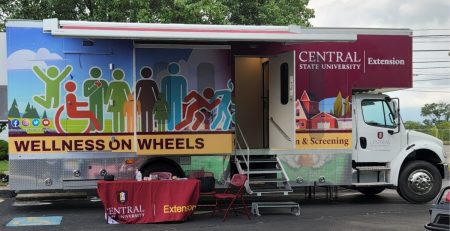
Central State University – Extension. Supported by 1890 Extension capacity funds. See full statement.
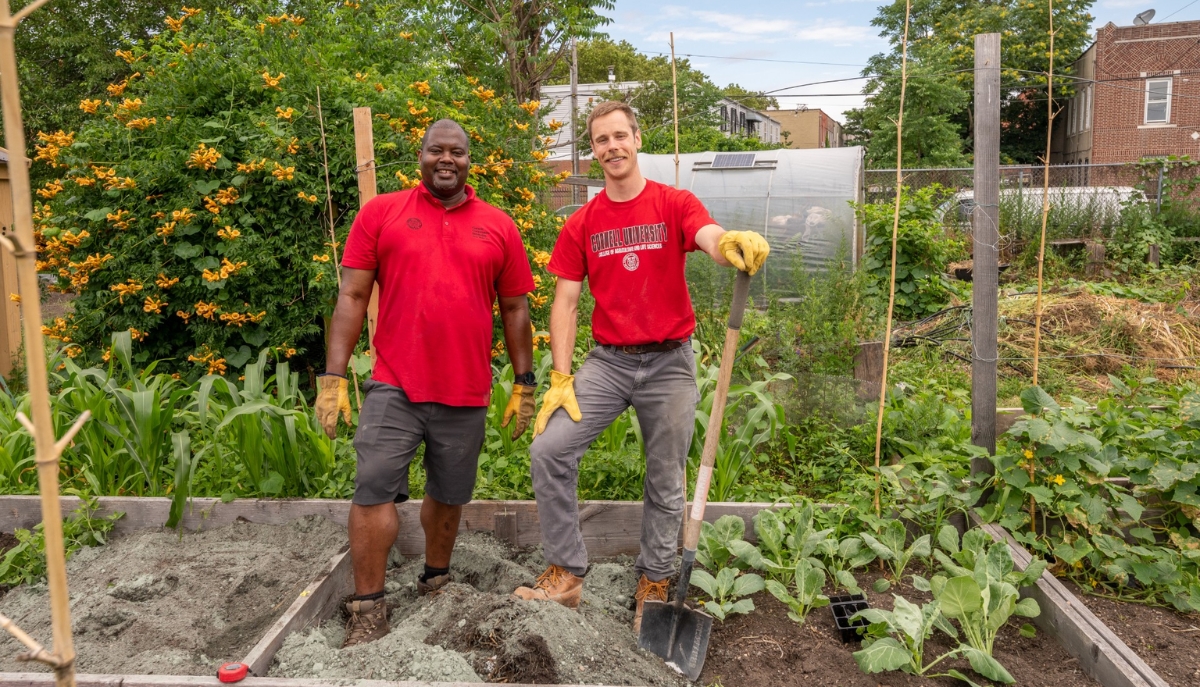
Photo courtesy of Cornell Cooperative Extension.