Georgia researchers apply AI to track cage-free hens’ pecking behavior, welfare
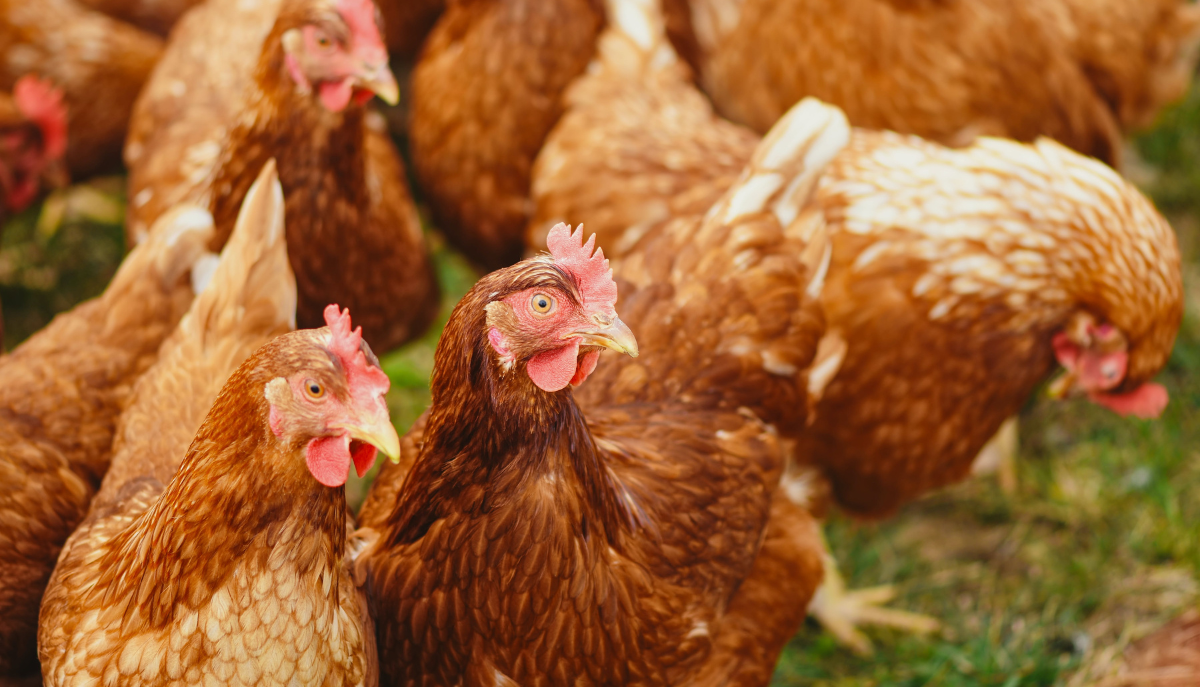
Researchers at the University of Georgia Agricultural Experiment Station have used an artificial intelligence learning-based imaging system for automatically monitoring chicken pecking behavior. Severe pecking has been estimated to occur in 40% to 50% of cage-free flocks and is one of the primary reasons for increased mortality.
Chicken mortality is doubled in cage-free systems compared to conventional caged systems. Egg producers in the United States and European Union countries are eager for solutions to address severe pecking and high mortality issues in cage-free production systems.
The study was among the first to apply artificial intelligence to track problematic behaviors of cage-free hens. This technology provides early detection of pecking behaviors, helping producers identify the cause and prevent further spread.
Project supported by Hatch, USDA Competitive funds.