Food Recovery relieves food waste in Rhode Island
In 2024, more than one-third of Rhode Island households struggled to afford food. While food pantries served over 84,000 people each month, food remained the largest contributor to landfill waste, generating potent methane emissions and shortening the life of the state’s only landfill. In response, Food Recovery for Rhode Island mobilized trained volunteers and community partners to recover and redirect hundreds of thousands of pounds of surplus food.
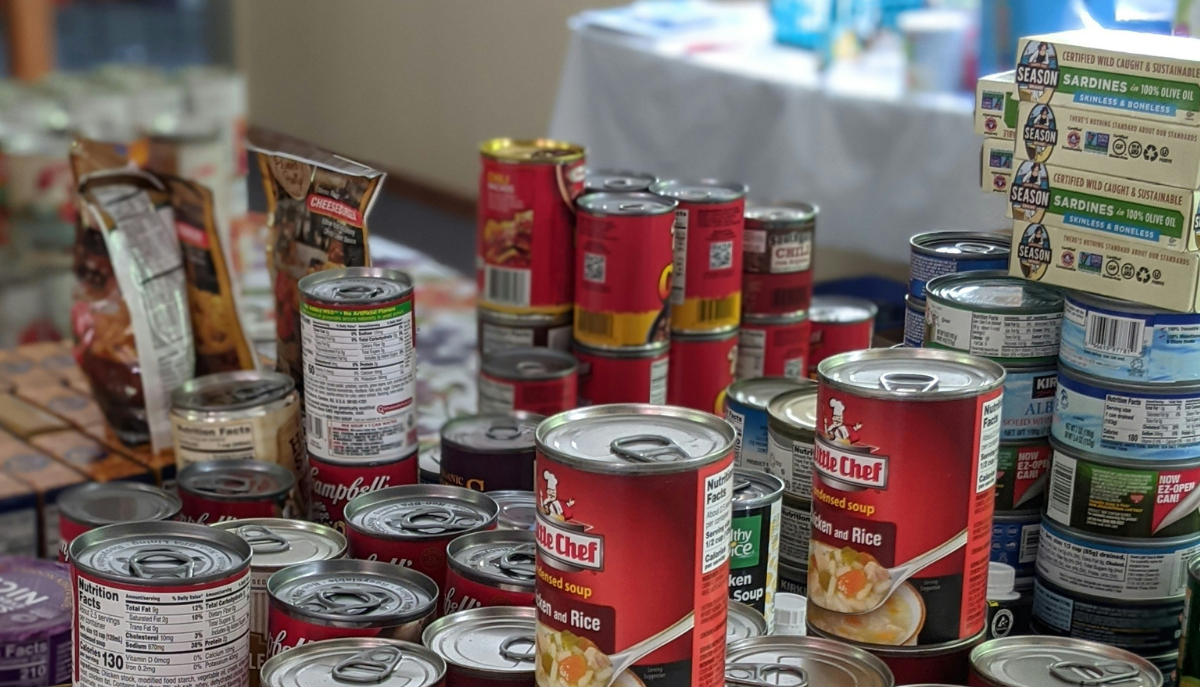
Participants recovered food from farms, schools, food businesses and households, redirecting it to hunger-relief organizations or composting systems. The program brought together a wide range of partners, including food pantries, farmers, schools, nonprofits, universities, municipal programs and statewide organizations. Volunteers worked alongside these partners to support food rescue, farm gleaning, school-based food recovery, community composting and public education.
Food Recovery for Rhode Island volunteers and partners donated over 231,000 pounds of surplus food to hunger-relief organizations and diverted nearly 87,000 pounds from landfills. Community composting partnerships converted 4,000 pounds of food scraps, while school-based recovery alone redirected more than 65,000 pounds of food, including over 8,300 pounds to children and families.
Rhode Island Cooperative Extension | Project supported by Smith-Lever (3b&c) capacity funds.