Extension helps strawberry farmers in Georgia and South Carolina save their growing season
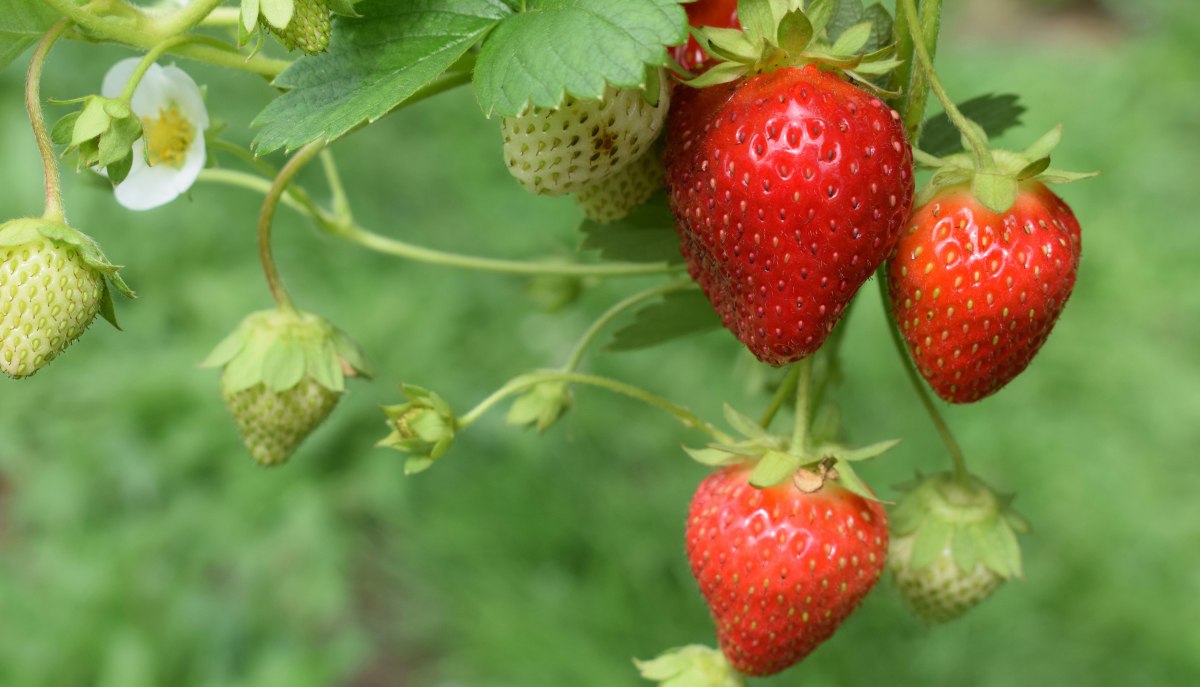
Strawberries grown in Georgia bring in more than $15 million in sales annually, but the true value of growing strawberries is in agritourism — farms that open their doors to families to come pick fruit and enjoy a taste of farm life. For the past four years, the strawberry business in Georgia has been hindered by a new, highly aggressive strain of Neopestalotiopsis. Most strawberry plants shipped to the southeast in 2023 and 2024 were infected. For strawberries to remain a viable crop in Georgia, growers had to find new sources of plants outside the East Coast nurseries for the 2025 growing season.
To avoid another poor growing season, a University of Georgia Extension agent contacted nurseries in California and Oregon seeking plugs or bare root transplants and planting materials (tips). After contacting Georgia greenhouse operators to discuss strawberry plug production, the agent helped growers set up their own plug production from clean strawberry tips.
When disease outbreaks in strawberry nurseries along the East Coast hindered delivery of healthy plants, the Extension agent was ready to help growers in Georgia and South Carolina locate strawberry nurseries on the West Coast that could get healthy plants to the growers on time for the 2025 planting season. And thanks to the early work developing plug production locally, a grower in western Georgia was able to grow enough plugs for his own operation and an additional 75,000 plugs for other Georgia growers.
Diseased strawberry plants harm growers who depend on revenue from strawberries and agritourism dollars. A disaster was averted when an Extension agent in Taylor sounded the alarm early while helping farmers statewide and in South Carolina source plants and produce their own plugs.
View the full statement on the NIDB.
Project supported by Hatch and Smith-Lever (3b&c) funds.