Confronting farm stress through research, Extension
Across the Land-grant University System, outreach and research-based work are critical to strengthening the health, safety and well-being of agricultural communities. By pairing scientific evidence with trusted Extension networks, land-grant universities address urgent challenges while improving quality of life nationwide.
Here are a few examples of that work:
- Researchers in Pennsylvania held discussion groups with 68 farm women in Ohio, Vermont and Wisconsin and found they carry a “triple burden,” juggling on- and off-farm work while managing largely invisible mental labor tied to caregiving, household duties and farm operations. The study underscores how limited investment in farm women’s mental health and childcare threatens farm success, though policymakers are beginning to take notice.
Pennsylvania Agricultural Experiment Station. Supported by Hatch capacity funds. See full statement.
- In Illinois, a multistate network has trained more than 11,000 agricultural supporters and 18,000 producers in mental health and stress management, provided behavioral health services, engaged farmworkers in support groups and handled more than 20,000 hotline calls across 12 states. Over three years, the network also advanced empirical research on farm stress and united partners to deliver coordinated programs that strengthen mental well-being in agricultural communities.
Illinois Agricultural Experiment Station. Supported by USDA competitive funds. See full statement.
- To address Missouri’s mental health and safety crisis, including farm stress, Extension professionals delivered free mental health education, suicide prevention programs and teletherapy services across all 114 counties, generating an estimated $387,921 in public value. Their efforts reached more than 2 million Missourians with health and safety resources and mental health toolkits to improve emotional well-being, safety and quality of life.
University of Missouri Extension. Supported by USDA competitive funds. See full statement.
- In Texas, Extension staff responded to farm stress and succession planning needs by delivering three integrated training events and expanding access to clinical telehealth services for agricultural producers and their families. The program reached 114 producers managing more than 911,000 acres statewide, with 94% reporting increased knowledge of farm health risk factors and 88% expressing greater willingness to discuss their own mental health.
Texas A&M AgriLife Extension. Supported by state appropriations; USDA Capacity – Extension. See full statement.
- A Florida program is reducing stress in farming communities by helping producers identify root causes of stress, eliminate stigma around seeking help and access legal, financial and mental health resources through strong internal and external partnerships. Participants reported increased use of coping and self-care skills, greater willingness to discuss stress and suicide concerns, and improved ability to seek help, communicate effectively and connect others to trusted resources.
University of Florida/IFAS Extension. Supported by USDA Capacity – Extension; state appropriations. See full statement.
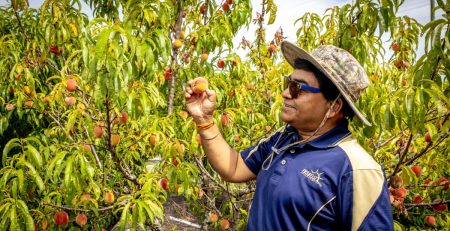
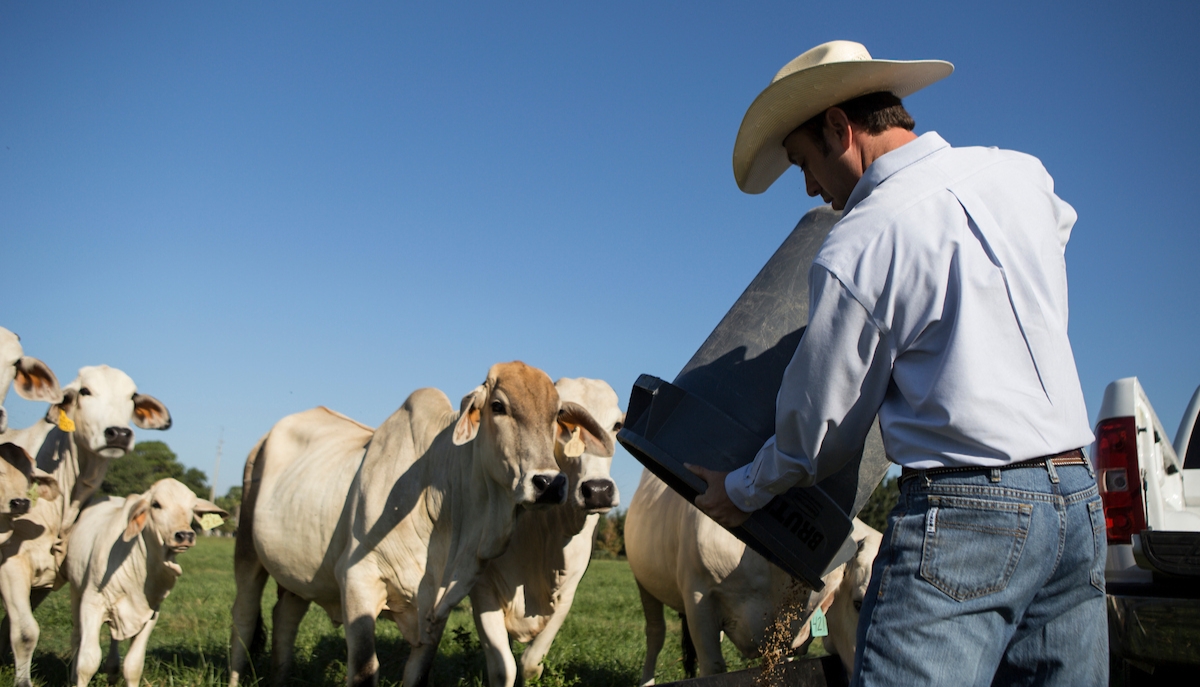
Photo courtesy of UF/IFAS.