Addressing food insecurity to drive community impact
Food security is fundamental to the health, resilience and economic vitality of rural and urban communities. Across the United States,1890 Land‑grant Universities are uniquely positioned to meet this critical need by advancing research, education and Extension programs that connect communities to practical solutions and sustainable food system innovations.
Here are a few examples of that work:
- When food insecurity hits, older adults and grandparents raising grandchildren are often hit hardest. Arkansas Extension professionals and community partners are tackling that challenge through a hands-on gardening and nutrition initiative that brings grandparents, grandchildren and neighbors together to grow fresh produce while building practical skills in soil and water management, sweet potato cultivation and sustainable food practices.
University of Arkansas Cooperative Extension Service – University of Arkansas at Pine Bluff. Supported by USDA Capacity – Extension. See full statement.
- An Ohio Extension program is helping families stretch their food dollars and eat healthier by teaching them how to prepare fresh food bank produce through live cooking demonstrations and simple, budget-friendly recipes. Partnering with a food bank, the program reached thousands in 2025, helping participants try unfamiliar foods, reduce waste and gain practical skills they now use to prepare more nutritious meals at home.
Central State University – Extension. Supported by 1890 Extension capacity funds. See full statement.
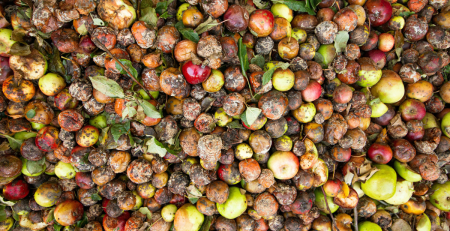
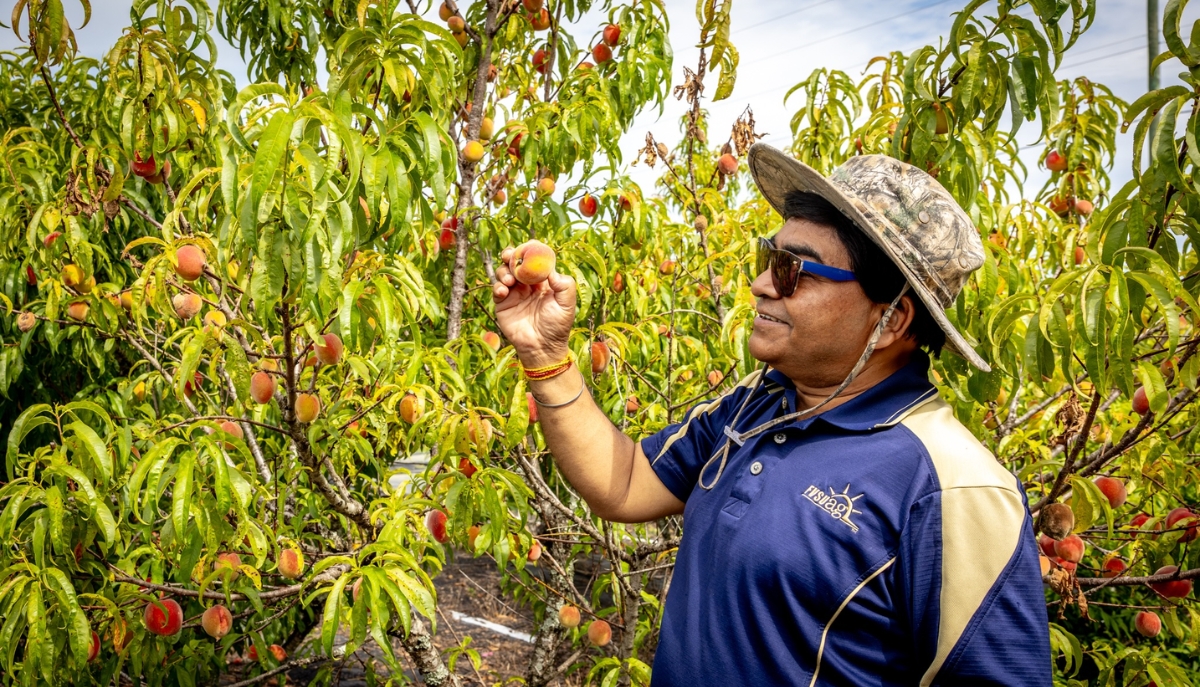
- In Georgia, researchers strengthened a partnership with a local organization to reduce food waste and expand access to fresh produce through gleaning and sustainable agriculture education. The collaboration yielded 65 pounds of peaches and fresh hydroponically grown greens for local families while highlighting year-round food production options that can strengthen community gardens in rural areas.
Fort Valley State University Agricultural Research Station. See full statement.
- To address local food insecurity, Extension professionals in Arkansas partnered with a middle school to launch an indoor aquaponics system that allows students to raise fish and grow fresh produce year-round. The hands-on project strengthens opportunities for nutritious food while teaching students real-world lessons in ecosystems, sustainability and innovative solutions for the future of food.
University of Arkansas Cooperative Extension Service – University of Arkansas at Pine Bluff. Supported by USDA Capacity – Extension. See full statement.
Photo courtesy of Fort Valley State University Agricultural Research Station.