Reducing fall risk and promoting independence
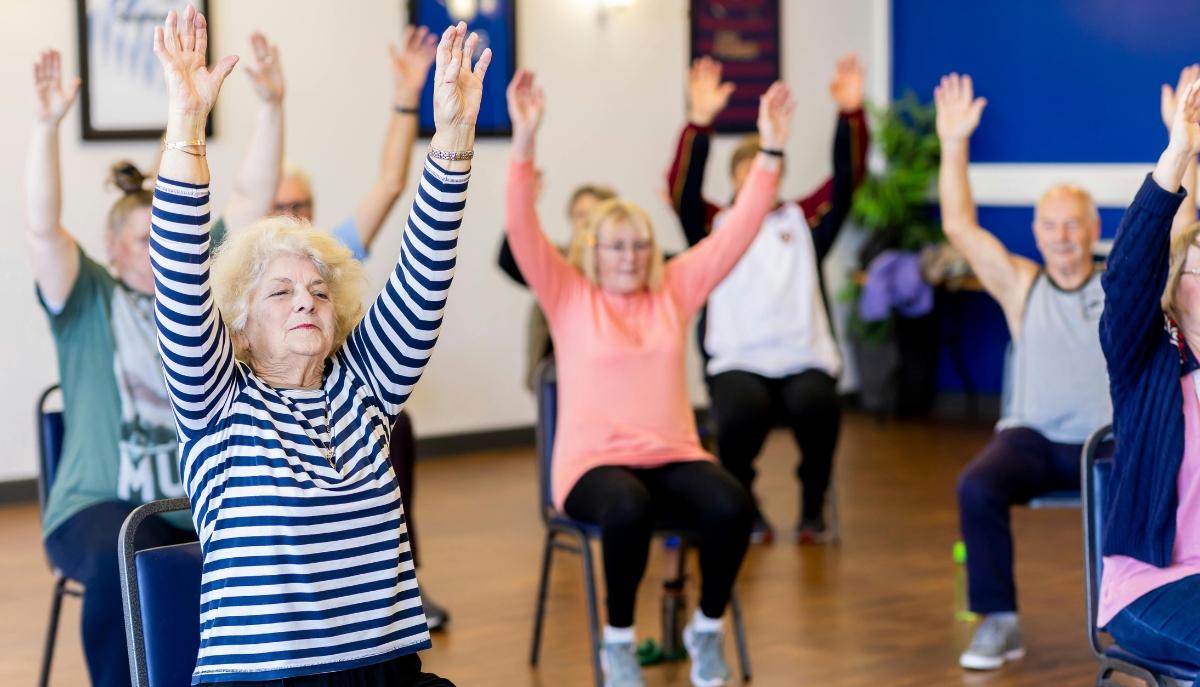
Falls and physical inactivity are critical public health concerns for older adults. National data indicate that only 21.6% of men and 17.6% of women aged 50–64 meet the recommended guidelines for aerobic and muscle-strengthening activities. This number decreases to just 9% among adults aged 65 and older. Insufficient activity leads to reduced muscle strength, balance and mobility, which in turn increases the risk of falls, frailty, disability and loss of independence. To address these challenges, Extension implemented a broad set of fall-prevention initiatives to reduce falls and increase physical activity.
Here are a few examples of that work:
- Participants in Missouri’s evidence-based programs reduced their risk of falls and also generated estimated annual health care savings of $1,024–$1,111 per person. The coalition increased statewide capacity through various resources and partnerships.
University of Missouri Extension. Supported by fee-based funding. See full statement.
- In Kansas, the measurable returns from evidence-based programs include 567 participants across 38 counties, which will prevent an estimated 119 falls over three years. This prevention will generate $1,521,891 in direct health care cost savings.
K-State Research and Extension. Supported by Smith-Lever (3b&c) capacity funds; county funding. See full statement.
- Older adults showed improved fall efficacy after completing the Matter of Balance program in Indiana and will enjoy a better quality of life. Results show that 93% increased their physical strength and feel better able to protect themselves if they do fall.
Purdue Extension. Supported by Smith-Lever (3b&c) capacity funds. See full statement.
- Community-based strength training programs in New Mexico reduce fall risk, improve quality of life and lower healthcare costs for older adults. Evidence suggests fall-prevention programs can return up to $3 for every $1 invested by reducing hospitalizations and long-term care needs.
New Mexico State University Cooperative Extension Service. Supported by county funding; state appropriations. See full statement.