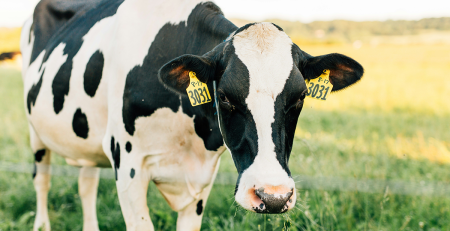

Nevada researchers find key differences between lab-made and natural milk proteins
Researchers at the University of Nevada, Reno investigated whether lab-made (yeast-derived) milk proteins are truly equivalent to those naturally found in cow’s milk. Although marketed as identical, these alternative proteins differ in meaningful biochemical ways that may influence digestion, immunity and gut microbiome health. The researchers conducted a three-part study, including a protein composition analysis, a sugar molecule comparison and mini-gut fermentation experiments to observe how each protein type affects gut bacteria.
Their findings show that while both protein sources contain beta‑lactoglobulin, cow’s milk whey includes a broader variety of beneficial proteins, such as alpha‑lactalbumin, albumin and casein, that are largely absent in the lab-made version. The yeast-derived whey is almost entirely beta‑lactoglobulin (about 98%), making it far less diverse.
The sugar molecule structures are larger mannose-rich chains in yeast-derived proteins versus smaller, more complex animal-derived ones, and differences between the two types may influence how the body processes these proteins. In gut-model tests, cow’s milk whey supported a richer and healthier microbial community, while lab-grown whey produced lower microbial variety. This isn’t necessarily harmful, but greater variety is generally linked to stronger immunity and better digestion.
Overall, the study highlights that although lab-grown whey can mimic certain nutritional aspects, it may not fully replicate the digestive and immunity benefits of natural milk proteins. The research underscores the need for transparency and scientific evaluation as alternative proteins enter the food supply, helping protect consumer health while supporting innovation.
Nevada Agricultural Experiment Station | Project supported by USDA Capacity – Research. Photo courtesy of Scott Thompson/Nevada Agricultural Experiment Station.