Food security resources for local communities
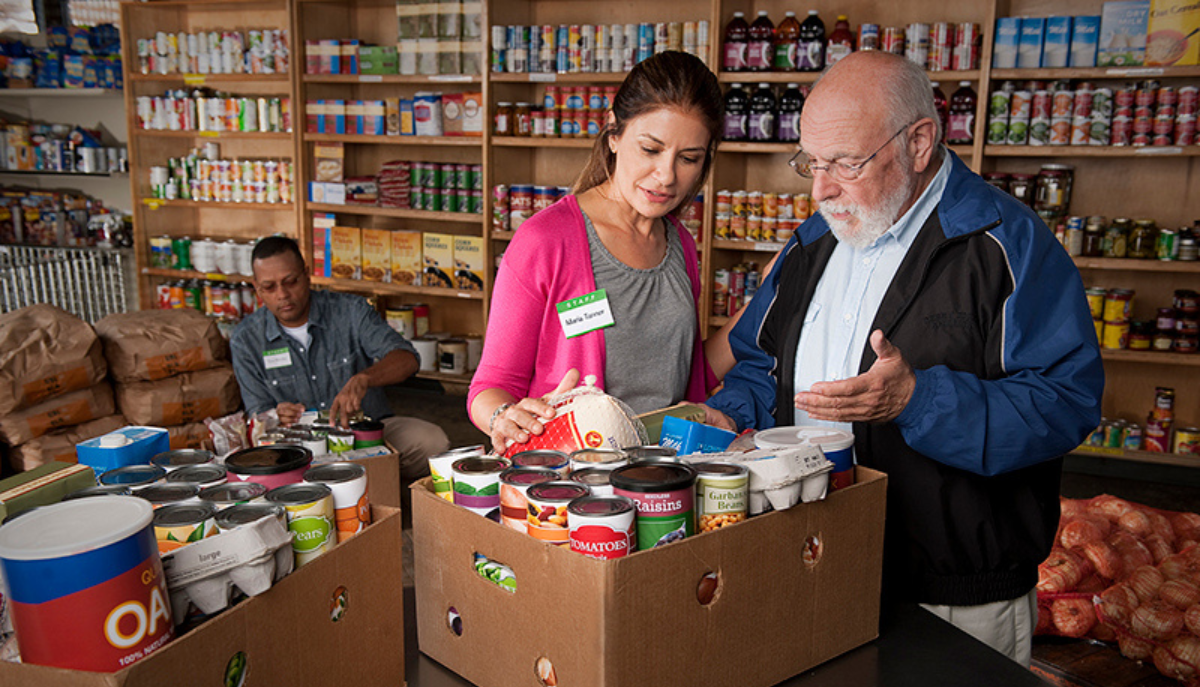
Limited access to healthy food options can lead to problems such as poor health, chronic illness, child development and family instability. Food pantries can help people who lack adequate food resources access a range of products locally. By connecting food pantries with resources, land-grant universities are helping communities better serve those in need.
Here are a few examples of that work:
- University of Illinois Extension began a deer donation program to enhance access to lean protein for food pantries in the state. The program has raised funding to help cover the cost of processing 346 deer, providing meat for an estimated 83,000 meals.
University of Illinois Extension; project supported by county funding. See full statement. - Michigan Extension surveyed adults to find out how best to support local food pantries. Results indicated a large number of requests for fresh fruits and vegetables. A field-to-pantry pilot program was begun, and local farmers agreed to sell produce at wholesale prices to the pantries.
Michigan State University; project supported by Smith-Lever (3b&c) funding. See full statement. - Louisiana State University AgCenter leveraged funds from a private grant to conduct needs assessments, establish nutrition standards, purchase cooling and storage equipment and provide hands-on assistance to 13 rural food pantries. They also piloted eight Grow a Row to Share sites that donated fresh produce.
Louisiana State University; project supported by private grants and contracts. See full statement. - Minnesota Extension formed the SuperShelf network. In collaboration with partners, the team helped college food pantries better showcase healthy food choices, leverage funding and gain greater awareness of their programs. SuperShelf has reached more than 20,000 shoppers at 23 food pantries.
University of Minnesota; project supported by Smith-Lever (3b&c) funding. See full statement. - In New York, Cornell Cooperative Extension’s Veggie Van mobile market brings locally grown fruits and vegetables to neighborhoods lacking access. Serving four towns, stops include senior housing, women’s shelters and health clinics.
Cornell University; project supported by Smith-Lever (3b&c) funding. See full statement. - Grow & Give at Colorado State University was created to help educate home gardeners in how to grow produce, with an emphasis on growing extra to give locally. In the program’s four years, 3,265 registered home and community gardens and participants have donated over 175,000 pounds of produce.
Colorado State University; project supported by state appropriations. See full statement.
Photo courtesy USDA.