Soil carbon under managed grazing in Southern Wisconsin
Building organic carbon soil (SOC) on agricultural land is an important strategy for stabilizing the climate by storing carbon that would otherwise contribute to greenhouse gas emissions. Perennial grasslands managed for dairy and beef production are often promoted for their ability to increase SOC while also improving water quality, reducing flooding, enhancing biodiversity and supporting profitable farms. However, the role of livestock management in influencing soil carbon storage is less understood.
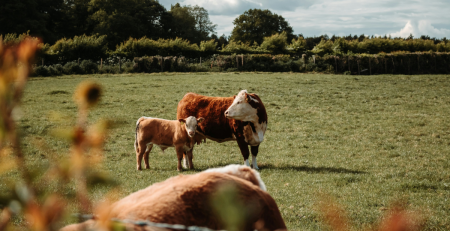
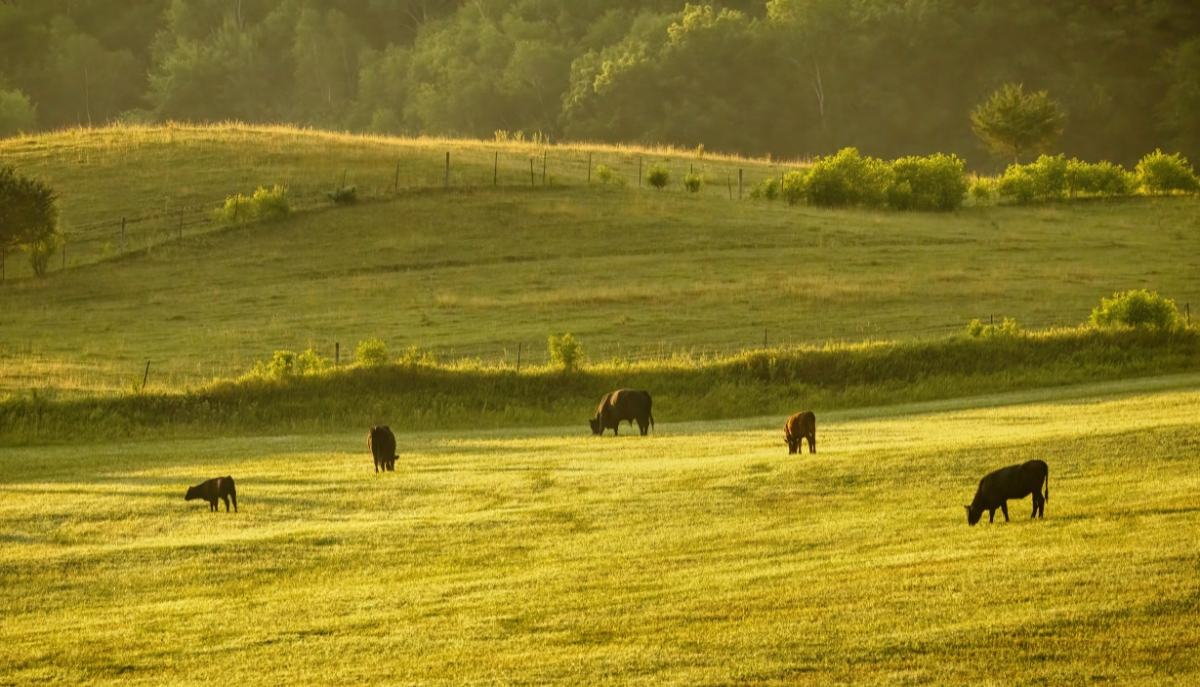
Researchers from the University of Wisconsin–Madison partnered with approximately 40 grass-based livestock farmers in southern Wisconsin to evaluate how managed grazing affects SOC quantity and quality. Soil samples from rotationally grazed perennial pastures were compared with paired annual row-crop fields on the same farms. Variations in grazing intensity, frequency and pasture age allowed researchers to link soil carbon outcomes to grazing management practices.
Results showed that rotationally grazed perennial pastures stored an average of 5.5 more tons of SOC per acre in the top six inches of soil compared with row-crop systems. While differences in grazing management had some influence, simply having land in perennial pasture was the strongest factor driving higher SOC levels. Older pastures generally contained more carbon, highlighting the importance of maintaining grasslands once they are established to allow carbon to accumulate over time.
These findings demonstrate that rotationally grazed perennial pastures are a key strategy for building healthy soils and sequestering carbon, providing long-term benefits to both farmers and society. Participating grazers received individualized SOC results and comparative data, helping them better understand the outcomes of their management decisions. Project results were shared through Extension outreach, field days, conferences and peer-reviewed publications, supporting wider adoption of grazing systems that deliver economic, environmental and social benefits—a strong “triple bottom line” for Wisconsin agriculture.
Wisconsin Agricultural Experiment Station | Project supported by Hatch capacity funds.