Illinois 4-H program guides youths on the path to success
Beyond the immediate benefits felt by communities through the service projects spearheaded by 4-H youths, the lasting effects extend far into adulthood. Research shows that individuals who engage with 4-H during their formative years are not only more likely to attain economic stability but also exhibit heightened civic engagement compared to their counterparts in the general population.
Commitment to community well-being led to the University of Illinois Extension’s 4-H program demonstrating significant positive outcomes for youth development, with more than 19,000 members and 2,400 volunteers contributing 230,000 hours in 2023. This resulted in 94% of surveyed graduating seniors reporting acquiring new skills for future employment and 87% reporting they saw entrepreneurial potential in their projects.
Additionally, 78% engaged with professionals in their fields, and 76% found alignment between their 4-H projects and future college majors. The program also fostered entrepreneurship, with 20% of respondents starting businesses.
Another measure of impact was evidence of interest to remain connected with Illinois 4-H through 936 new 4-H Alumni Association memberships initiated since the inception of the first annual survey. More than 70% of respondents expressed interest in continuing to be engaged in specific ways, resulting in ongoing contact lists of young adults ready to serve as judges, project area resources, workshop presenters and volunteers for 4-H programs throughout the state.
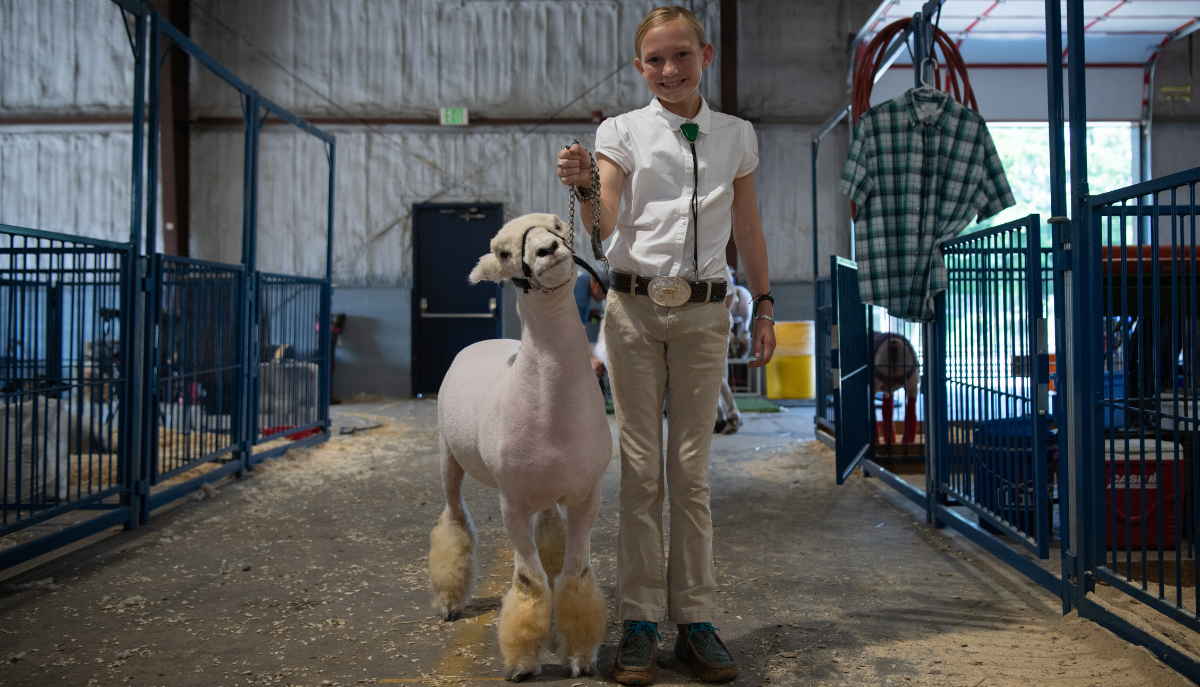
Stories of public speaking shaping a marketing career, camp counseling influencing career paths and the transformative impact of livestock judging on personal growth underscore the many ways in which 4-H fosters skills and passions. The lasting benefits of 4-H include higher economic stability and civic engagement among alumni, contributing to community vitality and personal growth.
View the full statement on the NIDB.
Project supported by Smith-Lever (3b&c) funds. Photo courtesy of Christophe Paul, USDA.