
Developing the next generation of agricultural workers
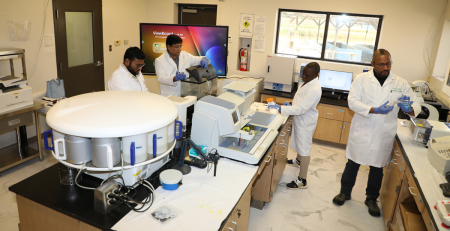
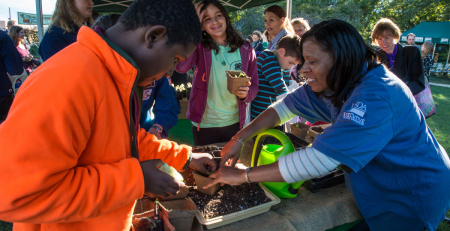
A skilled workforce is critical to sustaining agriculture, advancing food security and fostering economic growth. Land-grant universities are preparing students for the agricultural workforce through hands-on training, research opportunities and industry partnerships. These programs focus on historically underserved communities, ensuring broad participation in food and agriculture careers.
Here are a few examples of that work:
- Georgia Extension professionals are helping students launch successful careers through the USDA’s 1890 Scholarships Program. For example, an animal science graduate recently completed multiple internships and an international learning experience in West Africa before securing a role as an associate territory manager at Corteva AgriScience.
Fort Valley State University Cooperative Extension. See full statement.
- Researchers in Ohio are leading the SUSHI Project, which provides scholarships, research opportunities and workforce training in sustainable agriculture and aquaculture for underrepresented students. The program also supports aquaculture research at Tribal colleges, distributes fresh produce and fish to underserved communities and explores hemp-based feed alternatives for fish farming.
Central State University – Research; AFRI. See full statement.
- The Discovery Farm Educational Centers in Arkansas expose students, particularly those from historically underserved communities, to food, agriculture, natural resources and human sciences careers. The centers provide hands-on training in water conservation, aquaculture and sustainable farming and connect students with USDA agencies, 4-H clubs and mentor farmers to encourage early engagement in agriculture and workforce development.
University of Arkansas Cooperative Extension Service – University of Arkansas at Pine Bluff; Other USDA Capacity – Extension. See full statement.