
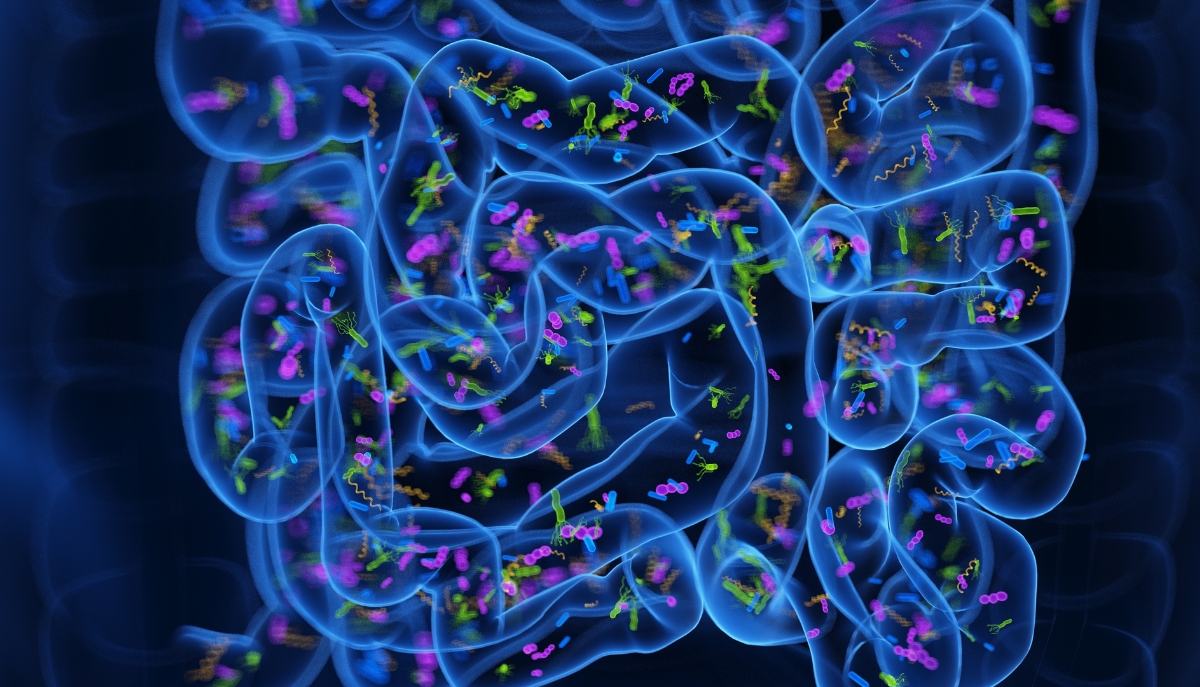
Early life exposure to common chemical permanently disrupts gut microbiome
The forever chemical commonly known as TCDF (2,3,7,8-tetrachlorodibenzofuran) is classified as a persistent organic pollutant and produced through industrial and combustion processes, including waste incineration and metal production. Research at the Pennsylvania Agricultural Experiment Station found that early-life exposure to TCDF can permanently disrupt the gut microbiome in mice. Because TCDF and other persistent organic pollutants accumulate in the food chain, people, including infants fed through breast milk, are widely exposed.
In the study, young mice briefly exposed to TCDF developed lasting changes to their gut microbiomes, including reduced levels of beneficial bacteria and later showed higher body weight and glucose intolerance. These are indicators of metabolic disease. To determine whether the microbiome disruption caused the health problems, researchers transplanted microbiomes from TCDF-exposed mice into germ-free mice. Those mice also developed metabolic issues, confirming the altered microbiome itself was responsible.
Importantly, giving TCDF-exposed mice a bacterium probiotic restored a healthy microbiome, suggesting that probiotics may one day help counteract chemical-induced microbiome disturbances in humans. Overall, the study indicates that early-life exposure to persistent organic pollutants can shape long-term metabolic health by altering the gut microbiome.
Pennsylvania Agricultural Experiment Station | Project supported by Hatch capacity funds.