Land-grant scientists help farmers manage costly plant diseases effectively
Each year, plant diseases cost the global economy around $220 billion. Plant diseases kill crops and make their products unmarketable, wasting food and other resources while driving up costs for farmers and consumers. Land-grant university scientists are helping farmers monitor for diseases and manage them in a safe and cost-effective manner.
Here are a few examples of that work:
- Researchers in Indiana provided timely disease detection and management options for corn, soybean and wheat farmers. As a result, 79% of the farmers said they protected or increased crop yield by as many as 20 bushels per acre on their farm, and some farmers estimated saving up to 80 bushels per acre.
Purdue University Research; Hatch. See full statement. - Extension educators and scientists in New York trained onion growers how to scout for stemphylium leaf blight symptoms and identified effective fungicide combinations and strategies to manage disease resistance, which helped prevent potential onion losses of up to 33%.
New York State Agricultural Experiment Station; Smith-Lever (3b&c). See full statement. - Commercial farmers and home gardeners in Vermont can submit samples to the Plant Diagnostic Clinic for help in identifying and managing insect pests, plant diseases and weeds. In a survey of clinic clients, 93% said diagnostic identification helped them manage their pest problem using integrated pest management, and 86% reported that they were able to reduce pesticide use, saving an estimated average of $400 per client.
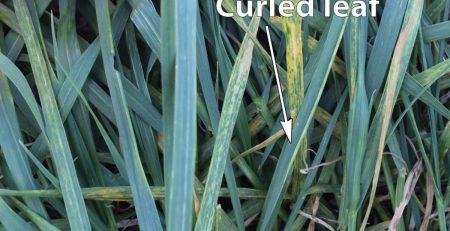
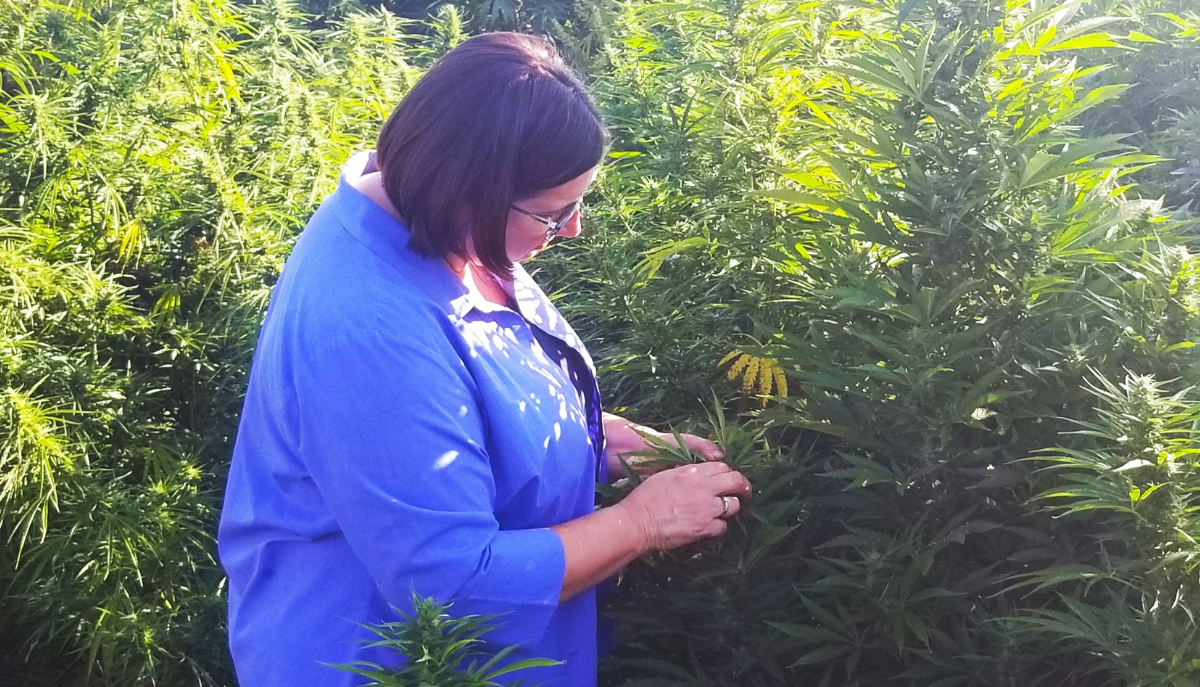
University of Vermont Extension; Smith-Lever (3b&c). See full statement. - Kentucky research showed integration of hemp and cereal crops in farming systems may raise risk of Fusarium head blight, which threatens hemp yields and quality. They also found that Fusarium infections in hemp can occur months before symptoms are visible and that fungi persist in stored hemp. This information is useful for developing resistant hemp cultivars and fungicide treatments.
Kentucky Agricultural Experiment Station; Hatch Multistate. See full statement. - Research in Oregon showed that removing wine grape leaves prevents powdery mildew and botrytis in vineyards. Winemakers were able to taste the resulting wines and rate them without knowing which treatment was used and realized that leaf removal does not negatively affect wine quality. With this knowledge, 71% of these winemakers said they would use single-sided leaf removal early in the season, and 15% would remove leaves on both sides. Increasing the number of growers removing grape leaves will help manage fungal diseases, especially in organic vineyards.
Oregon State University Extension Service; State Appropriations. See full statement. - Windblown plant diseases caused multiple outbreaks of multiple diseases in wheat and corn in South Dakota. To prevent heavy damage from windblown diseases, Extension taught growers about scouting and disease identification, risks associated with windblown diseases, disease thresholds and when fungicides may be warranted for disease control.
South Dakota State University Extension; Smith-Lever (3b&c). See full statement. - The Extension Virtual Breakfast Series for Michigan farmers addressed critical topics such as pest and disease management, soil health, cover crops and financial strategies. The livestreams reached 5,465 participants and garnered over 16,892 additional views of the recording. In a survey, 99% of respondents reported increased knowledge, and many reported that they had implemented management changes or plan to over the next year.
Michigan State University Extension; Smith-Lever (3b&c). See full statement.
Photo courtesy of Kentucky Agricultural Experiment Station.