Extension equips Colorado’s rural communities to address mental health challenges
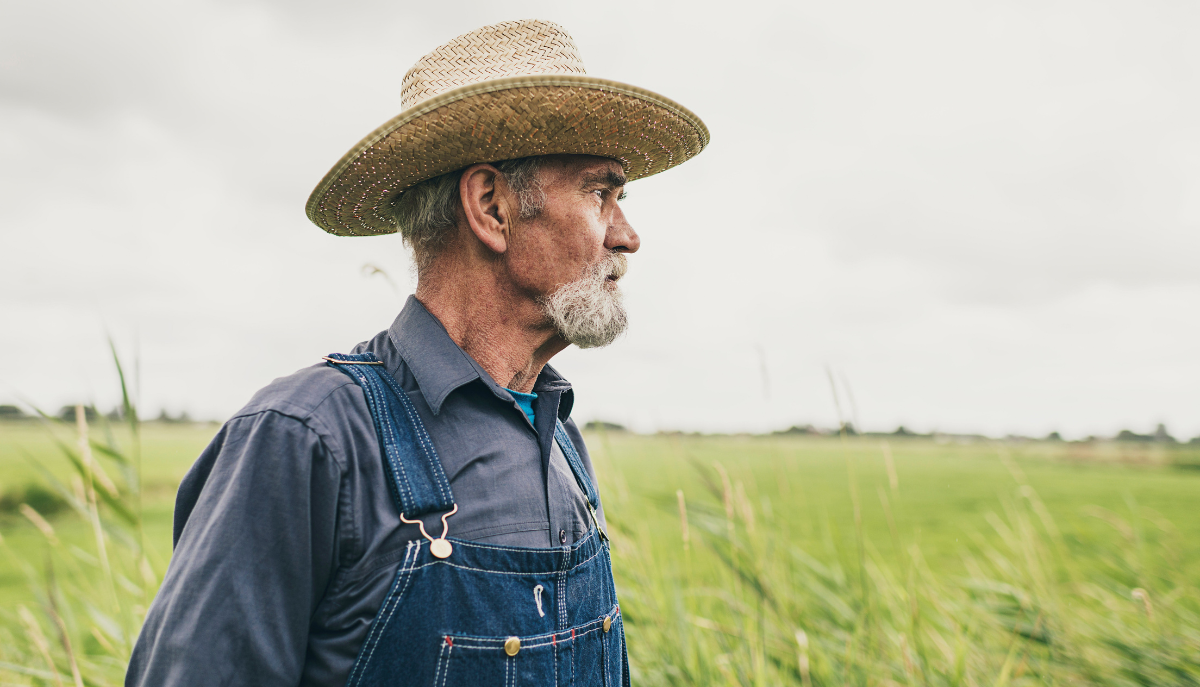
Rural Colorado communities face significant mental health challenges due to isolation, limited access to services, and stigma. Cultural expectations like “Cowboy Up” worsen these barriers. Farmers and ranchers are especially vulnerable, with higher suicide rates than the national average. A 2024 report shows nearly all Colorado counties have behavioral health provider shortages, intensifying the crisis.
To address this issue, Colorado State University Extension and Colorado AgrAbility launched the COMET (Changing Our Mental and Emotional Trajectory) program. Developed with the High Plains Research Network, mental health professionals, and researchers, COMET is a 90-minute training to help individuals recognize and respond to mental health distress. It focuses on early identification of moderate depression, anxiety, and distress to prevent crises.
COMET uses a simple, seven-question conversational guide to help participants support friends, neighbors and co-workers. The program aligns with rural cultural values, encouraging “neighbor helping neighbor” while relieving individuals of the pressure to “fix” the situation. Instead, it fosters social connections and directs those in need to appropriate resources.
CSU Extension has delivered COMET training to over 700 participants, with evaluation data showing significant impact:
- 78% of attendees felt more confident addressing behavioral changes in others, up from 50% pre-training.
- 81% felt comfortable initiating difficult conversations post-training, compared to 57% before.
- 74% reported they were highly likely to use COMET techniques within three months.
Beyond Colorado, CSU Extension has expanded COMET training to states including Wyoming, Montana and California. In 2024, the Wyoming Agricultural Stress Symposium trained 13 new facilitators, broadening the program’s reach.
By strengthening social connectedness and fostering proactive mental health support, COMET is creating resilient rural communities equipped to address mental health challenges and reduce suicide risks.
View the full statement on the NIDB.
Project supported by USDA Competitive funds and State Appropriations.