California Extension partners to plant therapeutic garden for those in transitional housing
California has one of the highest populations of unhoused people in the nation, 44 out of every 10,000 people do not have stable housing. Being unhoused is strongly tied to food insecurity, including a lack of access to fresh foods, like fruits and vegetables.
When Alameda County CalFresh Healthy Living, University of California Cooperative Extension (CFHL, UCCE), decided to restart its adult nutrition programming, a neglected gardening space at the South County Homeless Project, a 24-bed residence for unhoused individuals, was an ideal place to begin.
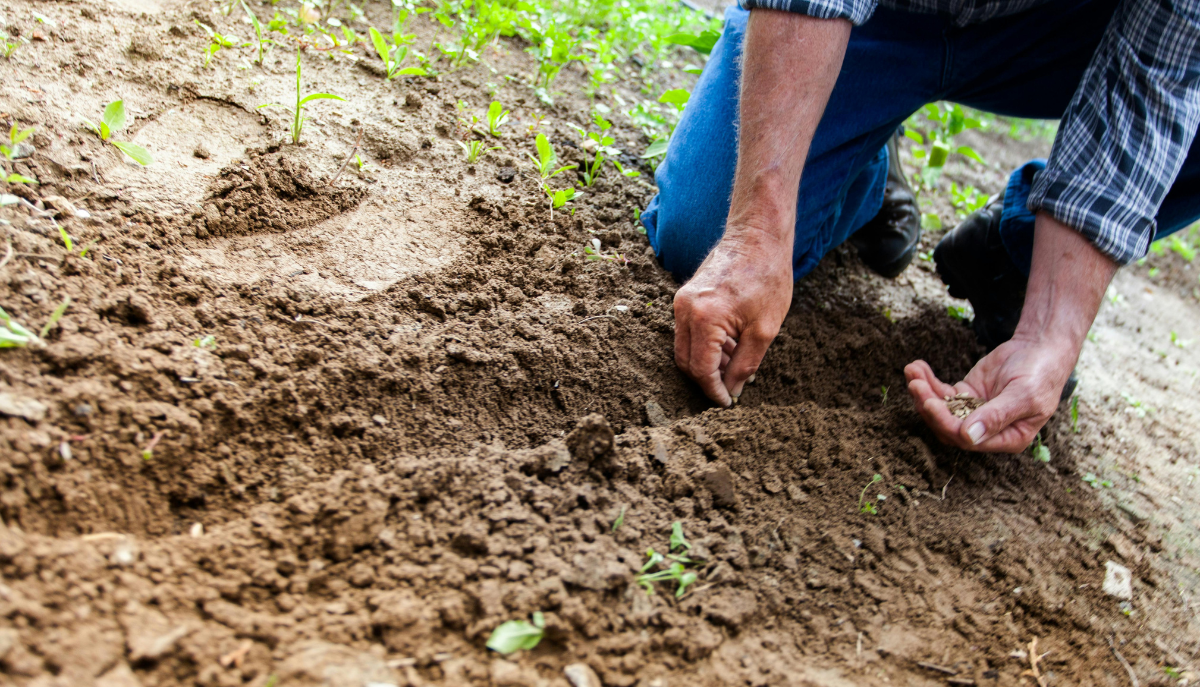
The Alameda County Master Gardener’s (ACMG) Community Garden Team designed the garden, enlisted volunteers to evaluate and amend the soil, and led the workshop “Gardening Basics” for residents. CFHL, UCCE supplied soil while ACMG provided seedlings. The nutrition educator, residents and ACMG volunteers worked together to plant the garden, which included 19 varieties of vegetables, fruits and herbs.
As the garden grew, nutrition classes continued with the curriculum “Fresh from the Garden.” Food from the garden was harvested regularly and enjoyed fresh by residents and incorporated by the chef into house meals.
According to a survey, those who participated in gardening through this project reported benefits such as learning new ways of preparing and eating local, seasonal vegetables and increased acceptance or awareness of different produce. Residents and staff stated that being in the garden helped reduce stress. By involving residents in planning what vegetables and fruits were planted, they regained agency over food choice – something often lacking when experiencing homelessness.
Future plans include teaching residents to process and store produce through a Master Food Preservers workshop and bringing gardens to similar sites throughout the county.
View the full statement on the NIDB.
Project supported by State Appropriations and Smith-Lever (3b&c) funds.