Research explores freshwater lake microbiomes
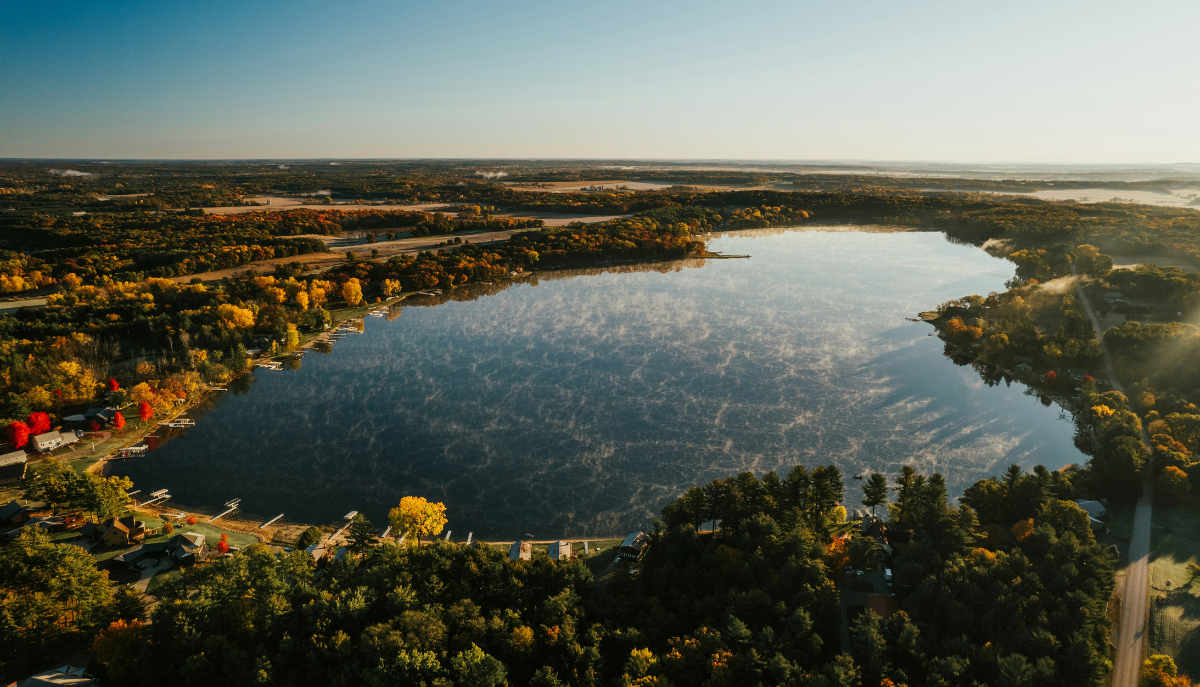
Freshwater lakes are an important drinking water source. People use these lakes for recreation and fishing. But they’re also vital ecosystems to some aquatic communities.
Each lake has its own community of microorganisms, called a microbiome. Certain factors, such as precipitation and nutrient runoff, can affect whether there are more “good” bacteria or “bad” toxin-producing bacteria in a lake. Unfortunately, not much is known about how invasive species affect a lake’s microbial community.
Researchers at the University of Wisconsin-Madison studied samples of two aquatic invasive species, the spiny water flea and zebra mussel, collected over a 20-year time span from Lake Mendota in Madison. To see changes in their microbial communities over this time, the researchers used 16S rRNA gene-based microbiome surveys.
The researchers found invasions of the spiny water flea in 2009 and the zebra mussel in 2015 both introduced “bad” cyanobacteria to the lake earlier in those years, which affected the lake’s clear-water spring phase and changed how abundant the “good” bacteria were in the lake. The researchers also noted increasing toxic water conditions from the cyanobacteria.
The study showed invasive species can disturb the “good” and “bad” bacteria in a lake’s microbial communities, leading to negative impacts on water quality. The findings, published in The Proceedings of the National Academy of Sciences, can inform modeling that forecasts how freshwater lakes respond to future changes that pose impacts on their health.
View the full statement on the NIDB.
Project supported by Hatch funds.