Rapid response to animal and food safety and security threats
When disasters happen, land-grant universities are partners with local communities in sharing resources and information, providing training, offering testing and technical assistance and collaborating on future research. Timely and coordinated response efforts support local communities and producers and ensure access to a safe food supply.
Here are a few examples of that work:
- Extension educators in Oregon responded quickly to coordinate outreach and share science-based information when the highly pathogenic avian influenza (HPAI) was detected. The first social post created to inform and educate on clear steps of action people can take reached over 47,000 and garnered more than 600 shares.
Oregon State University; project supported by state appropriations. See full statement. - Before tar spot was detected in Kansas, Extension deployed programming to educate producers and the industry about this devastating corn disease, leveraging data previously generated in other states such as fungicide timing and efficacy, disease biology and hybrid selection. Once reported in the state, programming increased, and field visits were conducted almost weekly to help track the spread and mitigate impact.
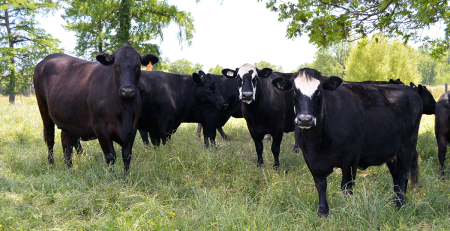
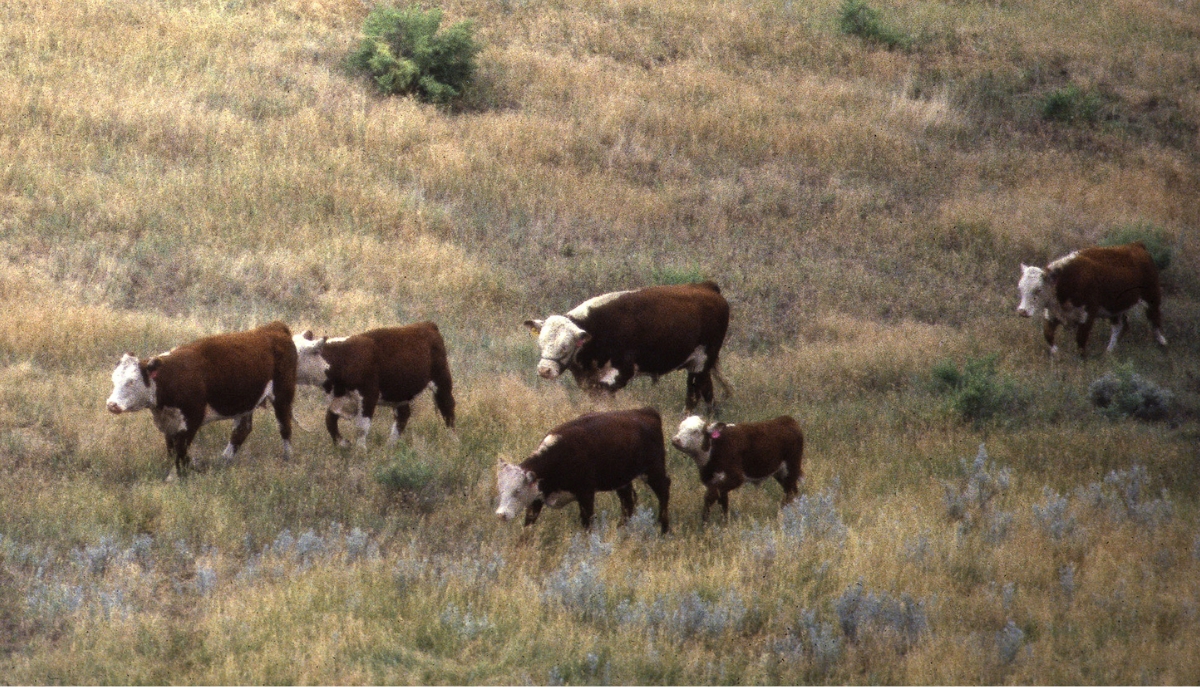
Kansas State University; project supported by Smith-Lever (3b&c) funds. See full statement. - In Michigan, Extension delivered training for first responders to develop skills in working with livestock involved in an accident. The training provided hands-on opportunities with the equipment for animal containment and handling.
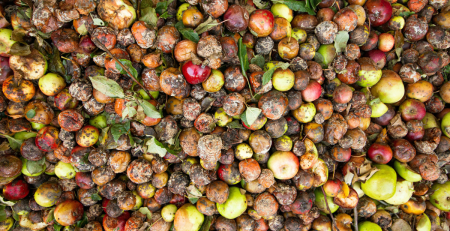
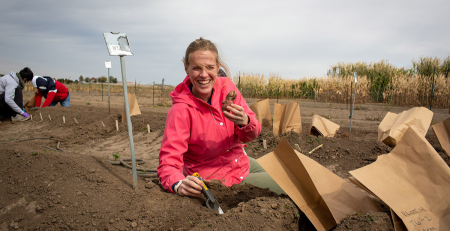
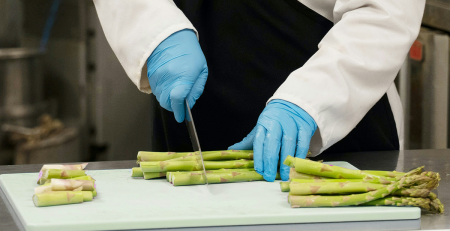
Michigan State University; project supported by Smith-Lever (3b&c) funds. See full statement. - Following heavy rain and historic flooding, Vermont Extension developed resources and offered technical assistance to affected vegetable and berry farms. Access to information, free soil testing and free cover crop seeds helped ensure farms were able to quickly address concerns about contamination and soil health.
University of Vermont; project supported by USDA competitive funds. See full statement.
Photo courtesy Robert Short, USDA.