Mitigating fungal contamination of cereal grains with light
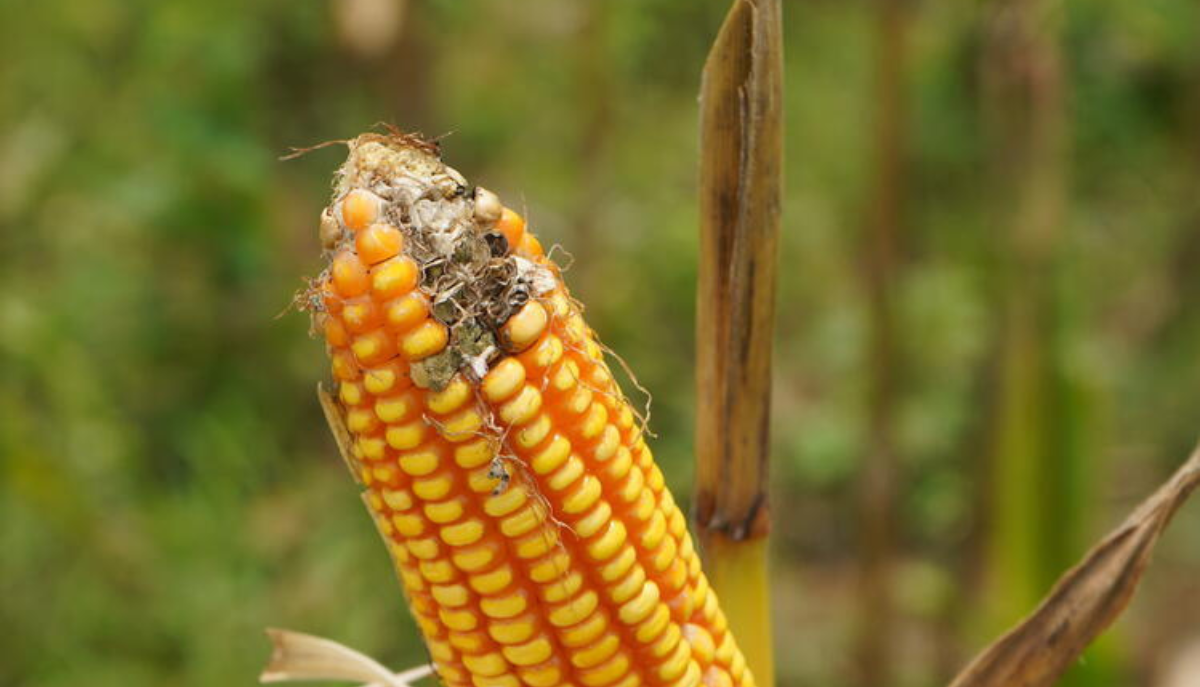
Fungal contamination threatens food security and public health and causes significant economic losses, especially in cereal crops. Aspergillus flavus and Fusarium graminearum are particularly impactful, with Fusarium alone causing over $300 million in annual U.S. losses.
Researchers at the University of Illinois Urbana-Champaign found that far-ultraviolet-C light (222-nanometer wavelength) effectively kills these fungi without harming grain quality. This treatment, safe for human exposure, inactivated fungal growth in liquids, solid surface and cereal grains. It also improved corn germination.
Scaling up far-UVC light technology could reduce fungi-related postharvest losses, positively impacting national and global food security.
View the full statement on the NIDB.
Project supported by Hatch funds. Photo courtesy of the Illinois Agricultural Experiment Station.